Portuguese
  Spanish


The 50% Tariff on Brazilian Products, Including Honey, by the U.S. Causes Producers to Abandon Bees and Containers to Sit Idle.
A new and severe blow shakes the already fragile Brazilian beekeeping sector: the imposition of a 50% tariff on Brazilian products, including honey, by the United States.
This measure, announced and set to take effect on August 1, 2025, is causing contract cancellations, container standstill, and a scenario of great uncertainty for honey producers, who are already dealing with the abandonment of bees and a drastic decline in income.
The 50% Tariff: An Unprecedented Obstacle for Brazilian Honey
The 50% tariff imposed by the U.S., which is the highest rate among the countries notified by the U.S. government, represents an unprecedented challenge for Brazilian honey exporters.
-
Brazilian Scientists Develop World’s First Tropical Wheat for Biscuit Production, Yielding Up to 150 Bags per Hectare and Highly Resistant to Common Crop Disease

-
El Niño may boost corn and soybean harvests in Brazil and Argentina, offering potential relief for global food prices.

-
Japanese Wagyu Gains International Fame for Its Intense Marbling, Tender Cuts, and High Prices in Brazil
-
Brazilian Farmers with Basic Education Create Backyard Machines That Win National Invention Contest, Beating 242 Projects


Historically, the United States is the main destination for honey from Brazil, absorbing about 80% of national production. With this high taxation, Brazilian products become unfeasible for American buyers, who will seek cheaper alternatives in other markets.
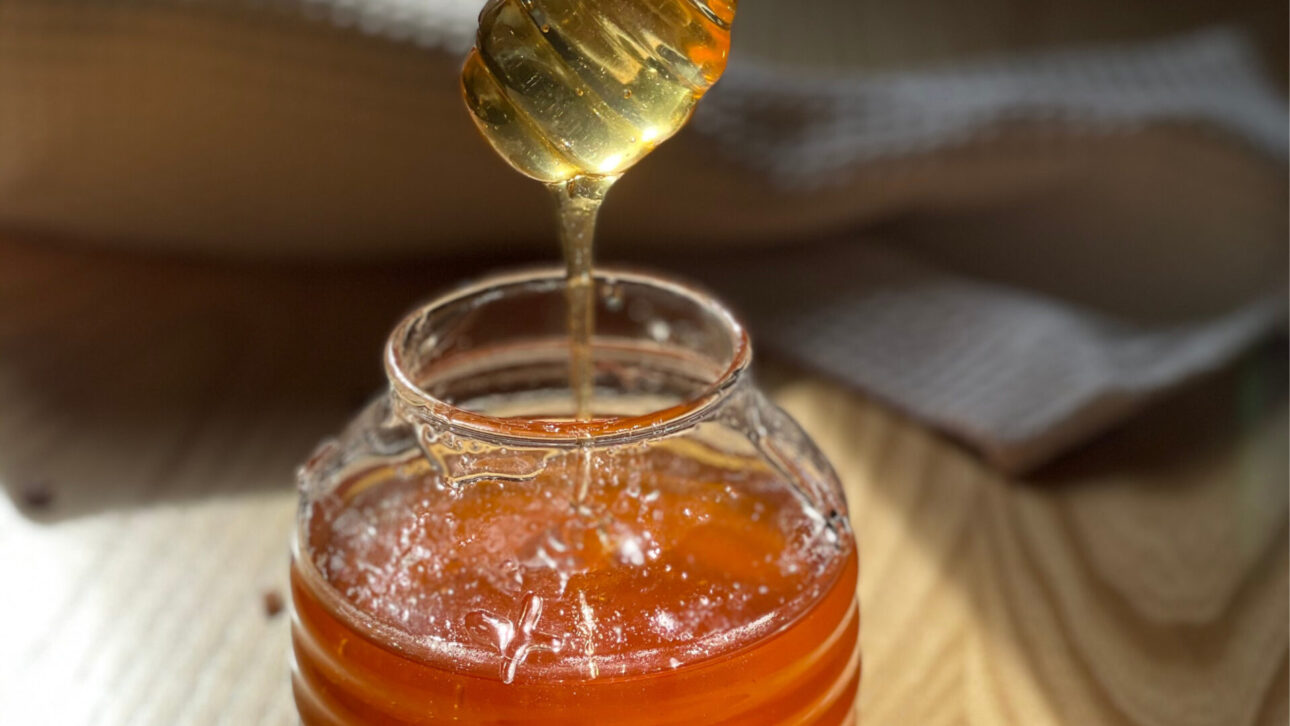
The news of the “tariff shock” has already provoked immediate damage. Exporting companies report order cancellations and containers sitting in ports, with tons of honey awaiting a solution.
The Central Cooperative of Beekeeping of the Brazilian Semi-Arid (Casa Apis), for example, saw a U.S. customer cancel the purchase of 95 tons of organic honey from Piauí, with part of the goods already at the port.
This not only generates financial losses but also creates a logistical bottleneck and a stock accumulation that further pressures the price of the item below production cost in the domestic market.
Abandonment of Bees and Falling Income: Crisis Intensifies
The new American tariff worsens a situation that was already delicate for beekeepers. With the family income of honey producers plummeting in recent months, the abandonment of bees has become a sad reality.
The difficulty in covering the costs of maintaining beehives – which include feeding, management, and health care – leads many to abandon the activity.
This loss of healthy colonies not only undermines the livelihoods of beekeepers but also has a significant environmental impact, reducing the capacity for natural pollination and affecting the production of other agricultural crops.
The sector was already facing competition from other large producers, such as Argentina, which has benefited from a more favorable exchange rate. Now, with the U.S. 50% tariff, the competitiveness of Brazilian honey in the international market is drastically compromised.
What to Do in the Bitter Scenario?
Brazilian beekeeping, vital for the economy and the environment, cries out for solutions. Representatives from the sector have been meeting with authorities to discuss alternatives and emergency measures. Among the proposals under discussion are:
- Diplomatic Negotiations: Seek dialogue with the U.S. government to try to reverse or mitigate the tariff.
- Diversification of Markets: Invest in finding new buyers for Brazilian honey in other regions of the world, reducing dependence on the American market.
- Financial Support for Producers: Create emergency credit lines and subsidy programs to help beekeepers get through this crisis period and avoid widespread abandonment of bees.
- Strengthening the Domestic Market: Encourage honey consumption in Brazil, valuing the national product and its benefits.
The current crisis is a stark reminder of the vulnerability of Brazilian agribusiness in the face of international trade policies.
It is essential that the government and the sector work together to protect honey producers and ensure that bees, so important for the planet, continue to buzz in our landscapes.
Do you believe that Brazil should retaliate with tariffs on U.S. products, or focus solely on negotiation and seeking new markets?