Portuguese
  Spanish


Inflation in the United States Advances with Import Tariffs, Affecting Essential and Luxury Items and Leading to Higher Costs for Families. Products Like Coffee, Jewelry, Bananas, Televisions, and Toys Have Seen Significant Increases in a Few Months.
The inflation in the United States accelerated after the announcement, in April, of new import tariffs by President Donald Trump.
In August, the Consumer Price Index (CPI) rose 2.9% compared to the same month a year earlier, up from 2.7% recorded in June and July.
According to Times Brasil, in the cut excluding food and energy, the core rose 0.3% for the month and is 3.1% above the level a year ago, signaling higher costs for consumers.
-
Hurry: Wikipedia pays up to R$ 2,500 for those who write about Minas Gerais, contest entries end on July 10, 2026, and even beginners can “earn,” with prizes starting at R$ 200.

-
A city with 8,000 inhabitants will receive R$ 25 billion to host the largest single-stage pulp mill in the world, with a production of 3.5 million tons per year and a cost of R$ 45 million.
-
He left India for Oman in 1976, entered through the door of luxury finishes, and took Sobha to the premium real estate market in the Middle East.

-
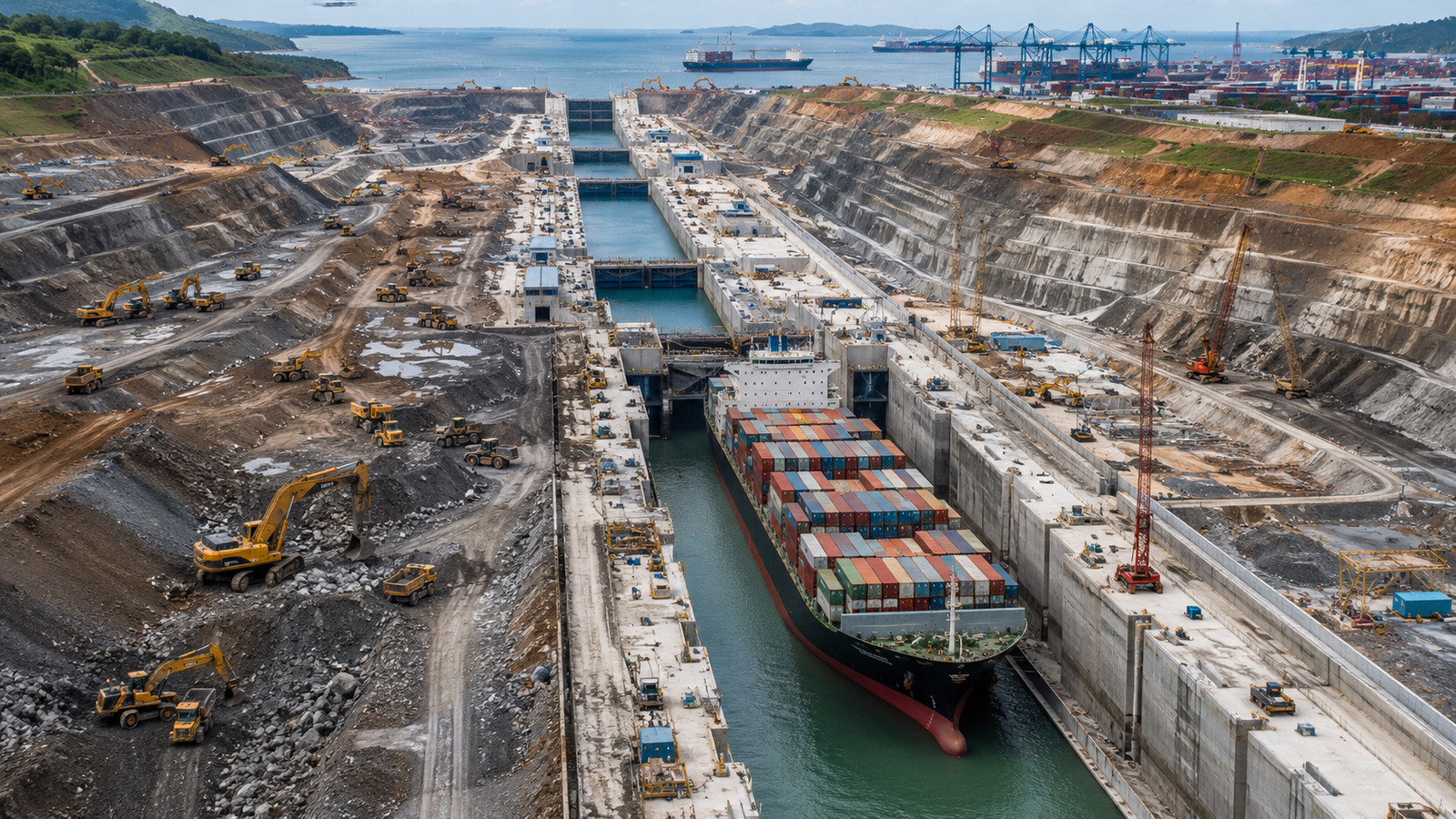
China wants to impress the world once again with a mega canal featuring giant locks, deep waters, and space for the largest ships, in a project aimed at shortening journeys, reducing queues, and rivaling the Panama Canal in global trade.


The data shows that inflation is moving away from the 2% target set by the Federal Reserve.
Although the movement is not uniform across items, products with a strong share of imports have started to register increases outside the recent norm, particularly coffee, jewelry, bananas, and televisions.
Independent estimates calculate that the average effective tariff paid by Americans reached 17.4% in 2025, the highest since 1935, with an annual impact of about US$ 2,300 per household.
Tariffs and Their Effects on Inflation
On April 2, the White House issued an executive order under the International Emergency Economic Powers Act (IEEPA) that instituted a base tariff of 10% on most imports starting April 5, followed, on April 9, by country-specific surcharges.
In practice, the rate varies according to the trade relationship with the U.S. and the balance of bilateral negotiations.
The effects appear at different speeds across supply chains.
Some companies managed to delay short-term pass-throughs, but the Beige Book of the Fed, published in August, already recorded price increases associated with tariffs in various regions and sectors.
The document mentions partial pass-through to consumers and rising input costs.
Meanwhile, court rulings question the legality of the measure, but the charges remain in effect.
Coffee Sees Highest Rise in Decades
Between April and August, consumer prices for coffee accumulated a rise of 9.8%, with an increase of 3.6% in August alone.
Weak harvests early in the year were already restricting supply, and the implementation of tariffs accelerated this trend.
The U.S. produces less than 1% of the coffee it consumes, making the domestic market sensitive to import taxes.
On August 6, a tariff of 50% on products from Brazil, the largest supplier of Arabica to the country, came into effect.
Exporters from Vietnam and Indonesia also began facing higher rates, according to official data, which should keep prices pressured.

Jewelry and Watches Suffer Direct Impact
In August, prices of jewelry and watches rose 5.5% compared to the previous month, a variation above the historical norm.
The sector depends on imports of parts and finished products, and therefore was directly impacted by the new tariffs.
On August 7, Washington raised tariffs on imports from Switzerland to 39%, a country that accounts for the majority of precious metal watches sold in the U.S.
The measure also affected India (cut and synthetic diamonds) and Japan (premium mechanical watches).
The expectation is that prices will continue to reflect these additional costs as new shipments enter the country.

Bananas Register Unusual Adjustment
Between April and August, the average price of bananas rose 4.9% in the U.S., a movement considered atypical for this fruit, which historically shows more stable variation.
Almost all national supply comes from Central and South America, now subject to the base tariff of 10%.
Still, the price of bananas remains lower than that of other fruits and vegetables.
An example is the Trader Joe’s chain, which maintained the unit price at US$ 0.19 for over two decades, changing to US$ 0.23 only at the beginning of 2024.

Televisions Break Standard Decline
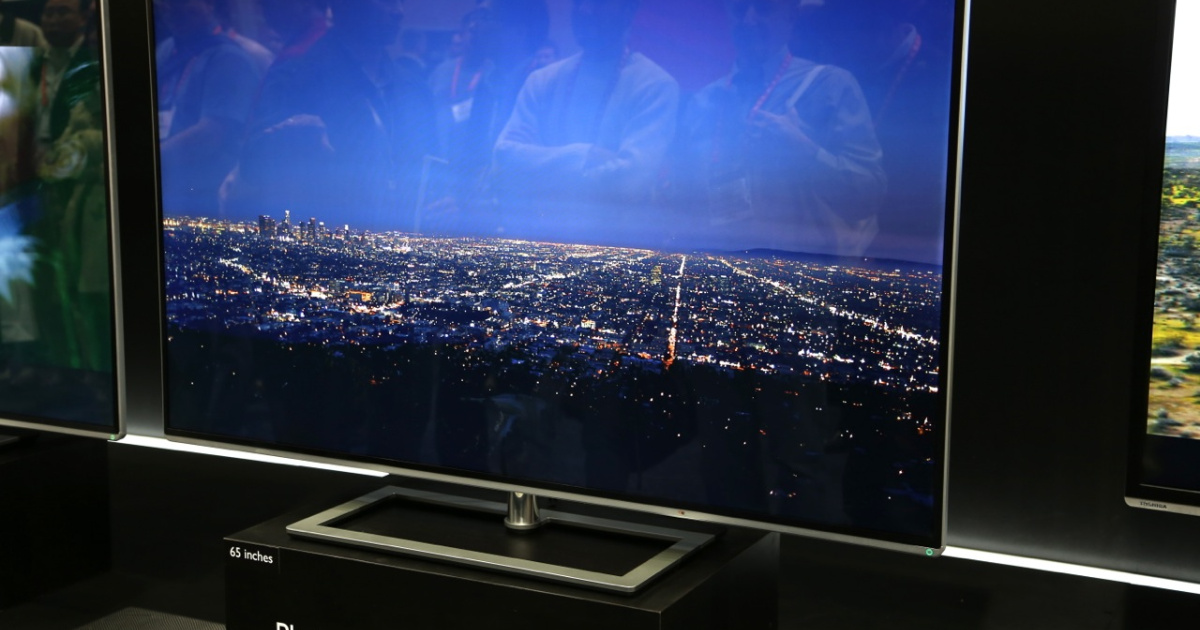
In August, televisions recorded a price increase and have been rising since April.
The movement is noteworthy because, since the late 1990s, the sector has shown a continuous decline due to scale gains in global production and the smart TVs model, which generates parallel revenue through advertising and data.
Almost all TVs sold in the U.S. are imported, primarily from Mexico, China, and Vietnam.
Mexican shipments may face tariffs of up to 25% depending on the classification under the USMCA.
On the other hand, imports from China pay up to 30%, and those from Vietnam about 20%.
These percentages explain the recent increase in consumer prices.
Toys Also Become More Expensive
Toys also showed positive variation.
Between April and August, prices rose 2.5%, the largest increase in four months since 2021.
The sector is highly dependent on imports: about 70% of foreign purchases come from China, subject to tariffs of approximately 30%.
Some shipments from Vietnam face even higher rates.
This trend contrasts with the reduction observed in previous years.

Average Tariff Reaches Highest Level Since 1935
The combination of the base tariff and country-specific surcharges has raised the average effective tariff in the U.S. to 17.4%, a level not seen since 1935.
Academic calculations estimate an impact of approximately US$ 2,300 per family in 2025, considering consumer goods and inputs.
The so-called Reciprocity Act, politically used by the government, corresponds to this model of differentiated tariffs defined by executive order under the IEEPA, without specific legislative approval.
The core of the CPI maintains an annual rise of 3.1%, still above the Fed’s target.
Items related to imports, such as coffee and durable goods, appear among the factors sustaining the inflationary acceleration.