






 Portuguese
  Spanish


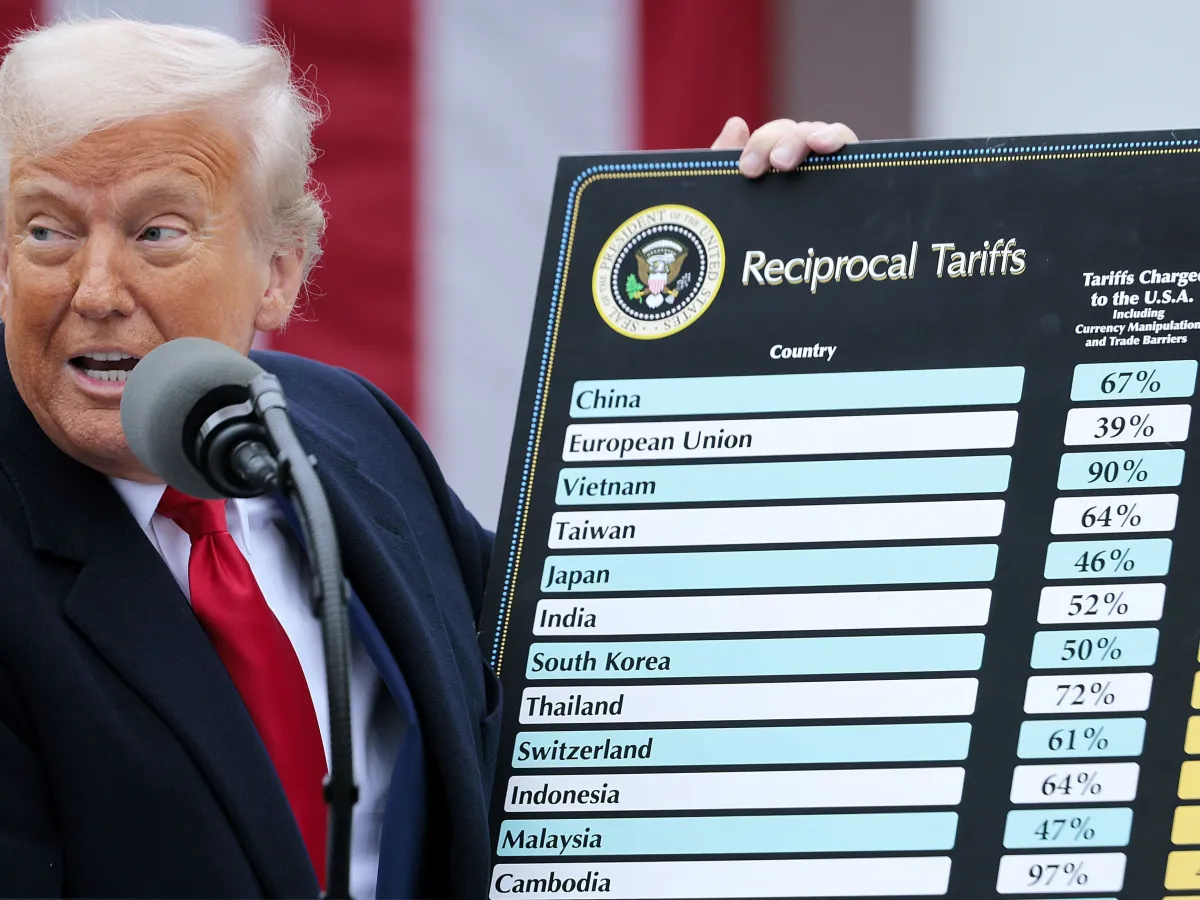


The US Court of Appeals Decided That Most of Trump’s Tariffs Are Illegal, Considering That the Emergency Law Does Not Authorize Tariffs. Decision Impacts Trade Policy.
A US appeals court concluded on Friday (August 29, 2025) that most of the Trump’s tariffs imposed under the justification of national emergency are illegal, as the law used — the IEEPA — does not give the president explicit authority to create taxes.
The decision, made by the US Court of Appeals, maintains the tariffs in effect until October 14, to allow an appeal to the Supreme Court. The assessment directly challenges the presidential strategy of using tariffs as a tool of foreign policy.
Context and Impact of the Decision
The 7 to 4 decision made by the appeals court reinforced that only Congress has the authority to legislate on taxes and tariffs, and that the IEEPA does not mention such powers — thus, Trump exceeded his constitutional role.
-
At 14 years old, she worked in a factory in Hong Kong, studied economics abroad, and then entered the Chinese real estate market, which helped change the landscape of Beijing.

-
While NATO secured more than $10 billion in missiles and space surveillance at a single forum, Brazil still spends 1.1% of its GDP on defense and is stalling its own anti-aircraft system.

-
Corn ethanol attracts R$ 23 billion in 21 new plants and prepares for a nearly 50% jump in Brazilian production by 2027, even with high interest rates.
-
A newly opened terminal in the middle of the Amazon has begun transporting soy and corn through Amapá, eyeing the queue of ships that is congesting the ports in the South.


Even with the ruling, the tariffs will remain in effect provisionally until October 14, during which time the government may appeal to the Supreme Court.
The court also highlighted that certain specific tariffs — such as those applied to steel and aluminum — were not affected, as they are based on other laws, not the IEEPA.
Legal and Political Implications
The US Court of Appeals was emphatic in stating that:
- The IEEPA grants powers to the president to deal with emergencies, but does not mention tariffs or taxes;
- The US Constitution delegates the exclusive competence to legislate on taxes to Congress.
Therefore, the court considered that Trump exceeded legal limits by imposing fees without a clear legislative basis.
Reaction of Affected Sectors
Representatives of small businesses and states led by Democrats strongly criticized the imposition of tariffs.
They argue that the high costs have harmed supply chains and threatened financial stability, prompting lawsuits.
On the other hand, the Trump administration argues that the national emergency, caused by trade imbalances and drug flows, justified the imposition of tariffs based on the IEEPA — a justification rejected by multiple courts.
What Comes Next?
Now, the case awaits possible review by the Supreme Court, which may confirm or overturn the decision of the Court of Appeals.
Until then, the Trump’s tariffs will remain in effect — but under strong legal questioning.
Importance for Trade Policy
This decision from the US Court of Appeals represents a significant setback to the strategy of using Trump’s tariffs as a central tool of economic diplomacy.
The trend is that the Executive will need to seek explicit backing from Congress for future similar measures.








