Portuguese
  Spanish


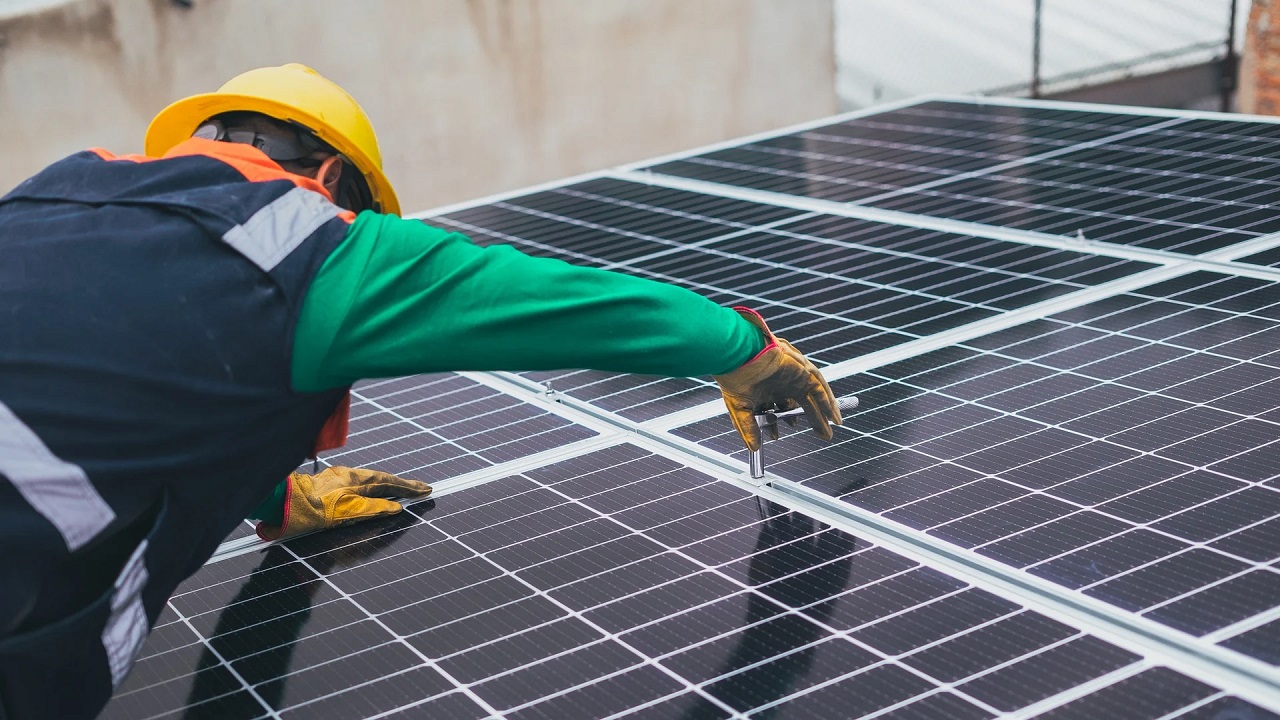

The ‘Solar Tax’ May Be Delayed by the House of Representatives, New Bill Plans to Extend the Final Deadline for Installing Solar Energy Systems by Six Months.
The House of Representatives is giving an opportunity for those planning to generate their own energy through grid-connected solar energy systems. The start of the so-called “solar tax” may be delayed by six months. The charge for distribution costs for those who generate their own solar energy is still set to begin on January 7 of next year.
Solar Tax Bill Will Go to the Senate to Reach Presidential Sanction

The deadline is determined by the Legal Framework for Distributed Generation, law sanctioned by President Jair Bolsonaro this year. However, an amendment approved this Tuesday (6) in the House of Representatives extends the deadline for installing micro-generators and mini-generators of solar energy with exemption from charges for using the distribution network by 6 months.
The proposal now needs to pass through the Senate before reaching presidential sanction. Thus, for those who adopt solar energy at home before the Solar Tax goes into effect, the exemption will remain in place until 2045. The text approved by the House of Representatives is an amendment presented by the rapporteur, Deputy Beto Pereira, from PSDB-MS, to Bill 2703/22, authored by Deputy Celso Russomanno (Republicans-SP).
-
Fired during apartheid and with a little borrowed money, an electrician started with a borrowed truck and transformed electrical services into a group connected to energy, real estate, and infrastructure in South Africa.

-
Wood has ceased to be just a construction material in Yale research and has become insulation for electrical transformers that face intense heat, aging, and increasing pressure from the renewable energy-powered grid.
-
More than 1,000 residents of a remote island in Kiribati now have clean water and electricity with solar systems operated by the community itself.
-
Ceará brings together 7 giants and R$ 66 billion to transform Pecém into the largest green hydrogen hub in Brazil, with final decisions expected by the end of 2026.



Thus, the exemption aimed at small solar energy generation units has been extended to new small hydropower plants (PCH). These plants will be considered those with a generation capacity of 30 MW and authorized starting from the entry into force of the law approved this week.
However, the PCHs will have a longer deadline compared to solar energy generating units. Keeping the wording of the project approved in the House, mini and micro solar energy generators will have until July of next year to apply with the distributor, and the PCHs until July 2024.
Use of Solar Energy and the Reduction in Electricity Bills
If the bill approved in the House prevails and the start of the solar tax is indeed delayed to July of next year, those still considering the idea of using solar energy at home gain a little more time to think and evaluate whether self-generation is more advantageous.
It is important to note that the use of solar energy will likely remain highly advantageous for various companies and individuals even after the solar tax bill goes into effect.
Furthermore, in the long term, the estimate is that the cost of solar panels will decrease as technology advances, which should compensate for the increasing distribution costs.
Self-generated solar energy is currently exempt from part of the solar energy tariff related to distribution costs, although generators use the grid to inject the excess energy, generating credits that can be deducted from the electricity bill, in the case of businesses and residences, or even sold, in the case of solar farms.
Legal Framework for Distributed Generation
The Legal Framework for Distributed Generation establishes a number of rules, including that the aforementioned cost be previously charged to generators, which practically reduces the financial savings from using solar energy, although it does not eliminate it.
In addition, the law establishes that all solar generation system installations made before the enactment of the solar tax remain under the current rules, thus exempt from charges until 2045.