






 Portuguese
  Spanish
 2 min of reading


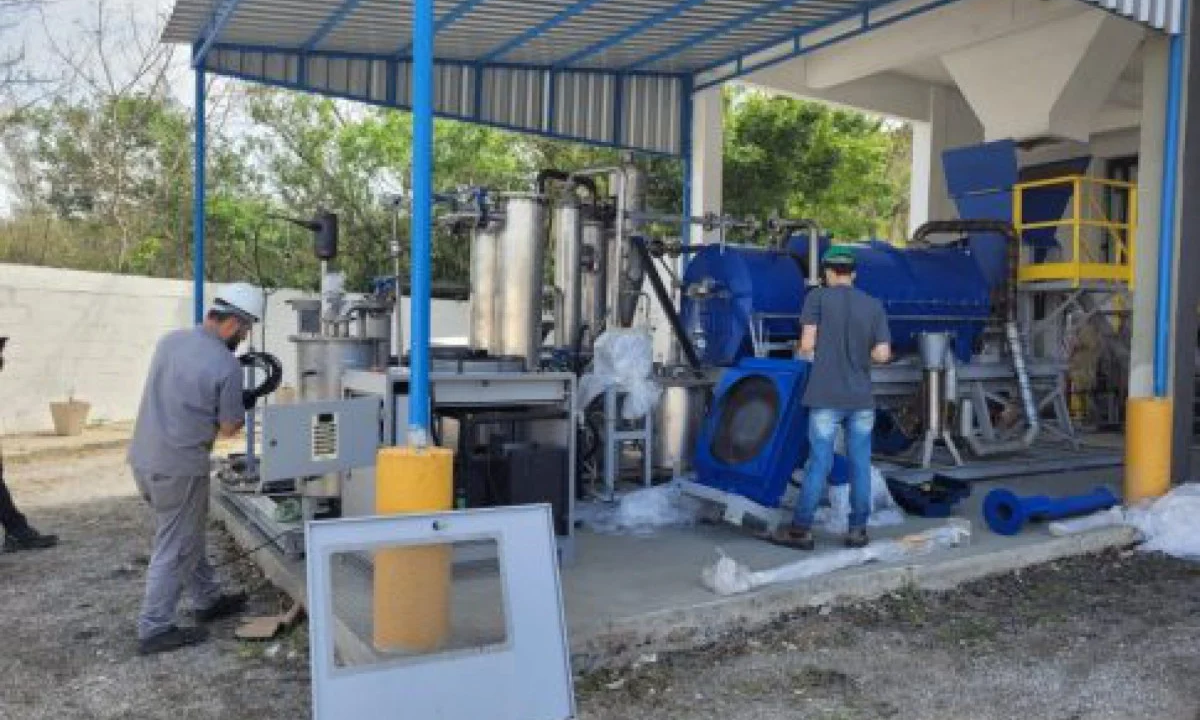
Sludge Transformation May Also Help Restore Degraded Soils
The project involves a Waste Treatment Unit (UTR) and will be capable of transforming the sludge resulting from domestic sewage treatment into energy through an innovative and sustainable technology. Sludge is typically disposed of in landfills, in a substance that can be treated and reused as biogas or in a type of charcoal called biochar, which can be used for agricultural applications to restore degraded soils and for carbon sequestration.
The Retransformar Project Was Received by the Sewage Treatment Station (ETE), Learn How It Works
The treatment unit will be capable of processing all the sludge produced at the ETE. This represents about 2 tons per day, and the project will last 3 years. The equipment used in the transformation employs ‘slow pyrolysis in a rotary drum,’ which is a thermochemical decomposition process of the material. Then, the produced gas is filtered and sent to burners and for power generation. A portion of the gas returns to fuel the process, and thus, no polluting or toxic gases are produced.
Project Tests Are Conducted in Partnership with the Federal Fluminense University (UFF)
According to an article from O Dia, the tests for the sludge treatment project using ‘slow pyrolysis in a rotary drum’ take place at the operational unit of Prolagos, funded by Águas do Rio and the State Department of Science, Technology and Innovation, in partnership with Agenersa, the Federal Fluminense University (UFF), and the City Hall of Arraial do Cabo.
-
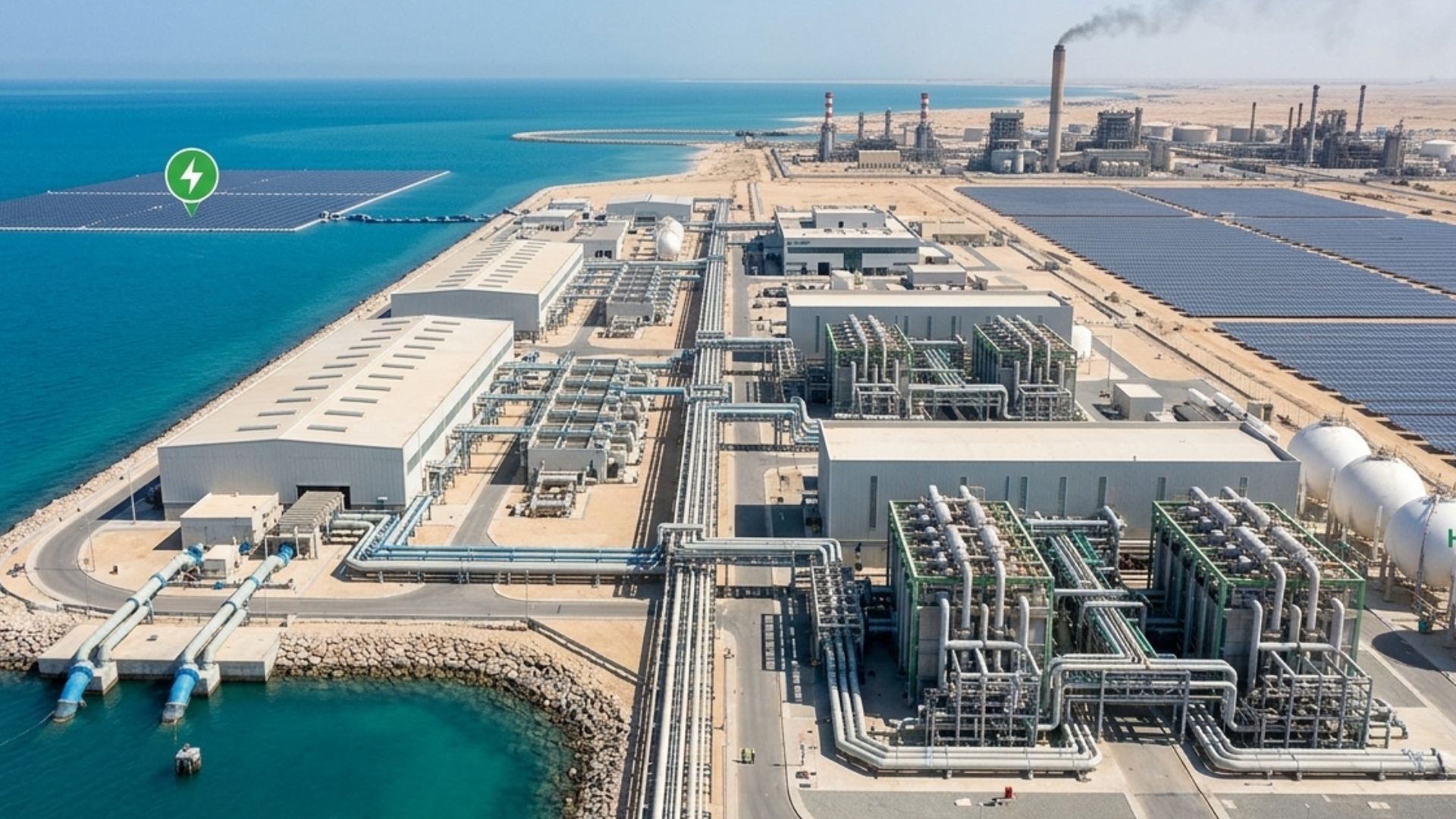
Brazilian scientists are simultaneously advancing two research projects on clean hydrogen and driving solutions that could transform the energy matrix, enhance industrial competitiveness, and accelerate large-scale emission reduction targets.

-
Advancement in renewable energy: A R$ 150 million project launched by Petrobras and Finep aims to create state-of-the-art electrolyzers for green hydrogen, strengthening national research and preparing Brazil to compete in a billion-dollar energy market.
-
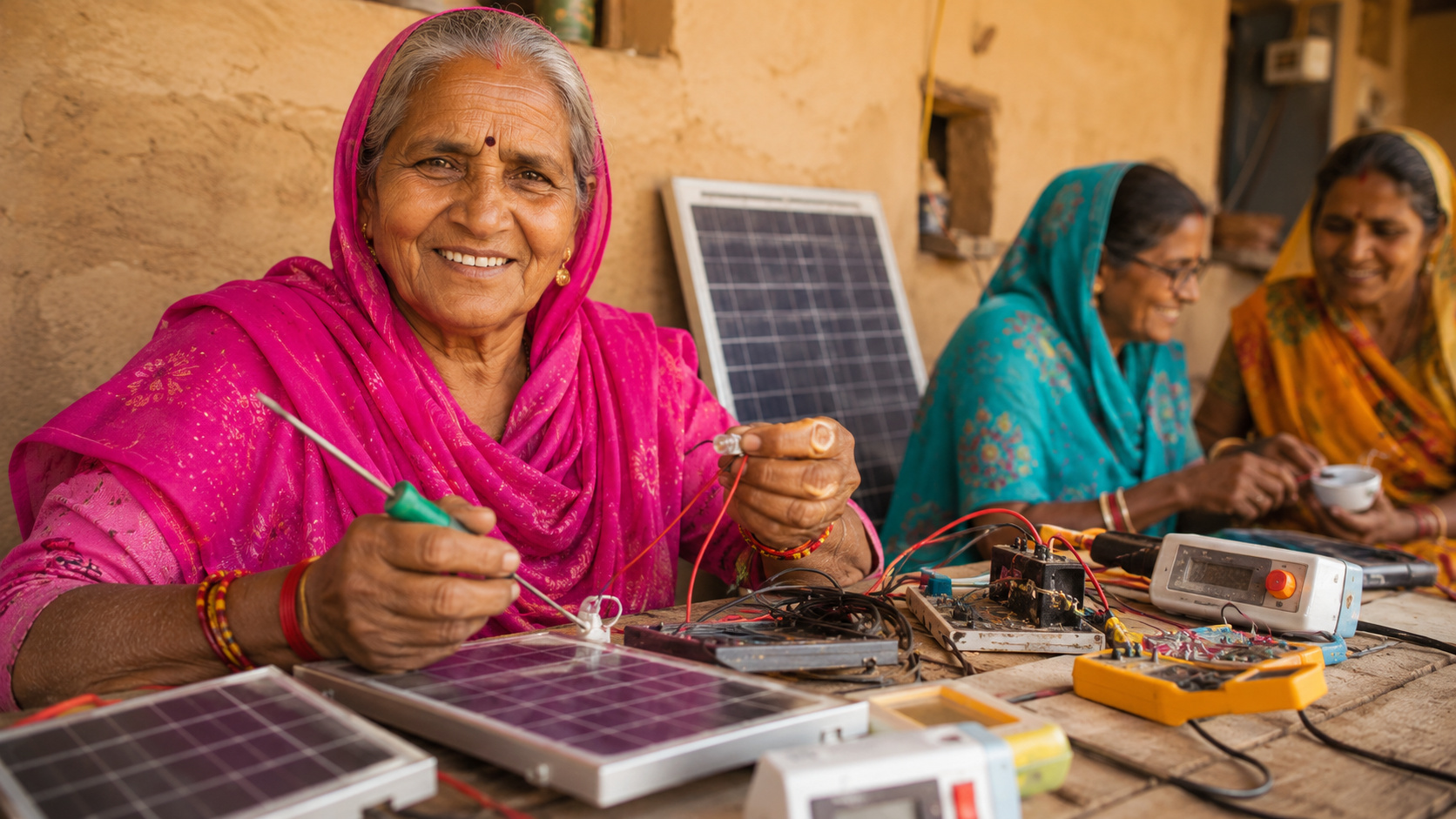
Illiterate or semi-literate grandmothers were trained to repair solar systems, open rural workshops, and light up homes that still depended on kerosene.
-
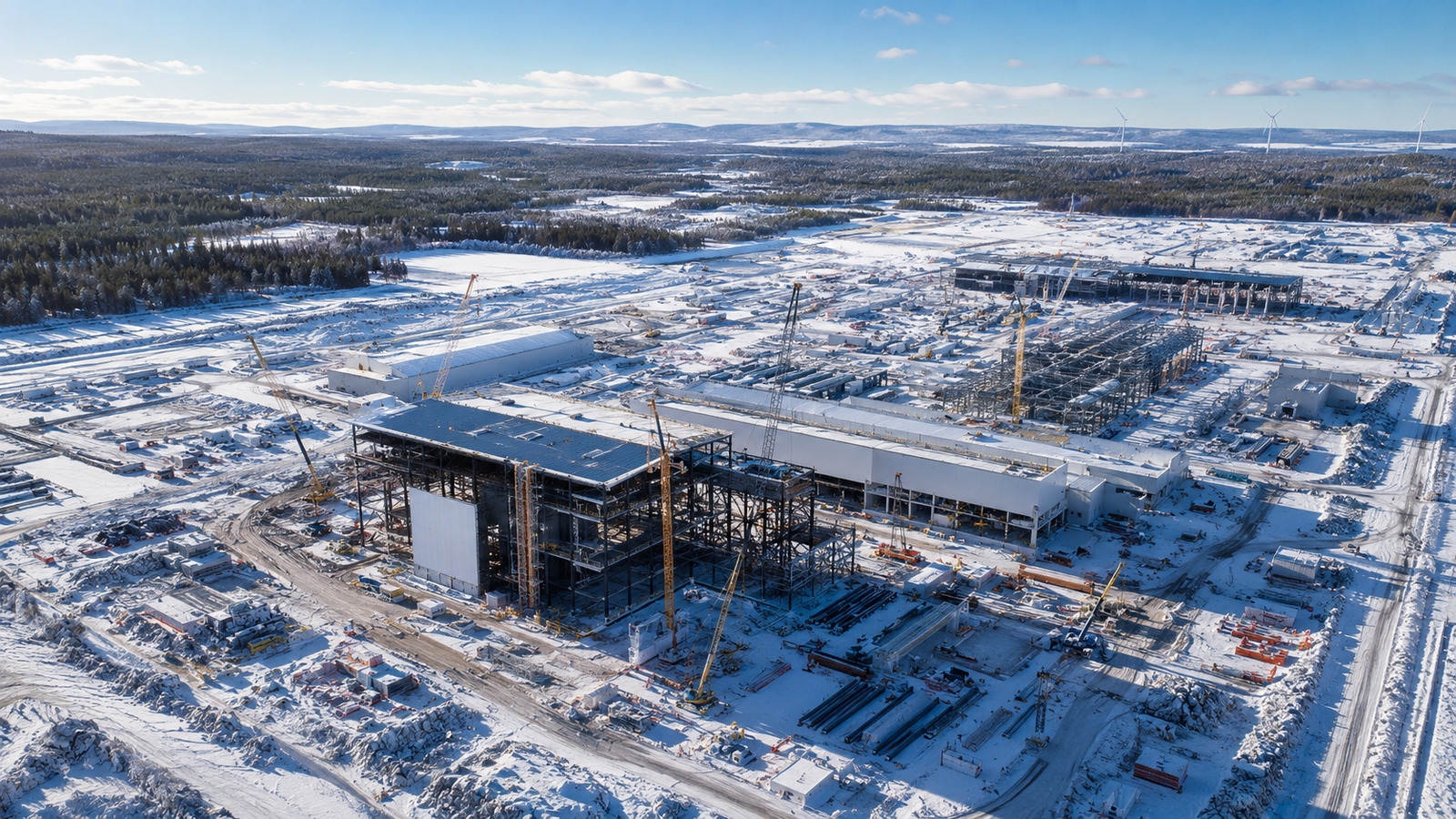
US$ 7 billion, green hydrogen, and steel with up to 95% less CO₂: the first green steel plant on the planet emerges in Sweden and targets Brazil as the next chapter



According to Rodolfo Cardoso, a PhD in Production Engineering from the Federal Fluminense University and the project manager, “the tests to be conducted will yield innovative results in the country. We will analyze the best ways to reuse the sludge and which will have the best cost-benefit ratio, impacting not only companies focused on sanitation but also other industries. We will also explore ways to increase the plant’s capacity to serve even larger treatment stations. Using software, we will create digital twins of the unit and conduct tests simulating productivity expansion.”





Be the first to react!