






 Portuguese
  Spanish


With More Than 2.2 Million Square Kilometers of Mapped Reservoirs and Floating Photovoltaic Systems Growing 50% in Efficiency Over a Decade, This Technology Promises to Meet Global Electricity Demand and Still Save Water.
Have you ever imagined a world where technology transforms water reservoirs into true floating solar power plants capable of supplying the entire planet? It sounds like something out of a movie, but this idea is closer to reality than you think. An international study led by Carlos D. Rodríguez-Gallegos revealed that floating photovoltaic (FPV) systems could revolutionize the way we use technology to produce clean and sustainable energy.
Based on the largest global database of FPV systems, the team analyzed information from over 1,100 commercial installations by 2022, covering more than 2.2 million square kilometers of reservoirs. The conclusion? We are just scratching the surface of a gigantic potential.
Why Are Reservoirs and Floating Solar Panels the Next Big Idea?

Have you ever thought about how limited land spaces can hinder the expansion of solar energy projects? This is where FPVs come into play. In addition to utilizing underutilized aquatic areas, they help reduce evaporation in reservoirs, cool the panels themselves, increasing their efficiency, and avoid land use conflicts.
-
Brazilian scientists are simultaneously advancing two research projects on clean hydrogen and driving solutions that could transform the energy matrix, enhance industrial competitiveness, and accelerate large-scale emission reduction targets.

-
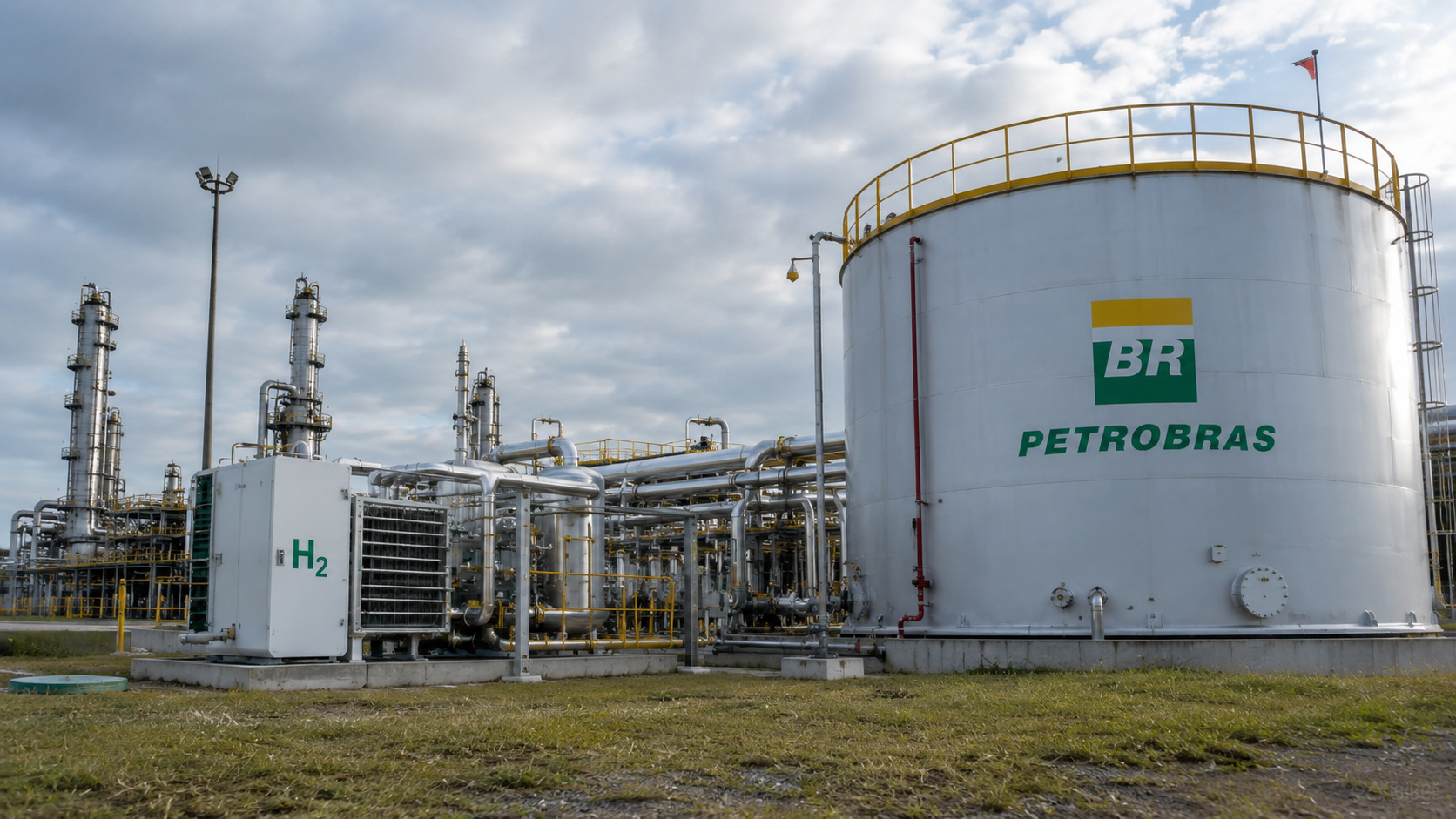
Advancement in renewable energy: A R$ 150 million project launched by Petrobras and Finep aims to create state-of-the-art electrolyzers for green hydrogen, strengthening national research and preparing Brazil to compete in a billion-dollar energy market.
-
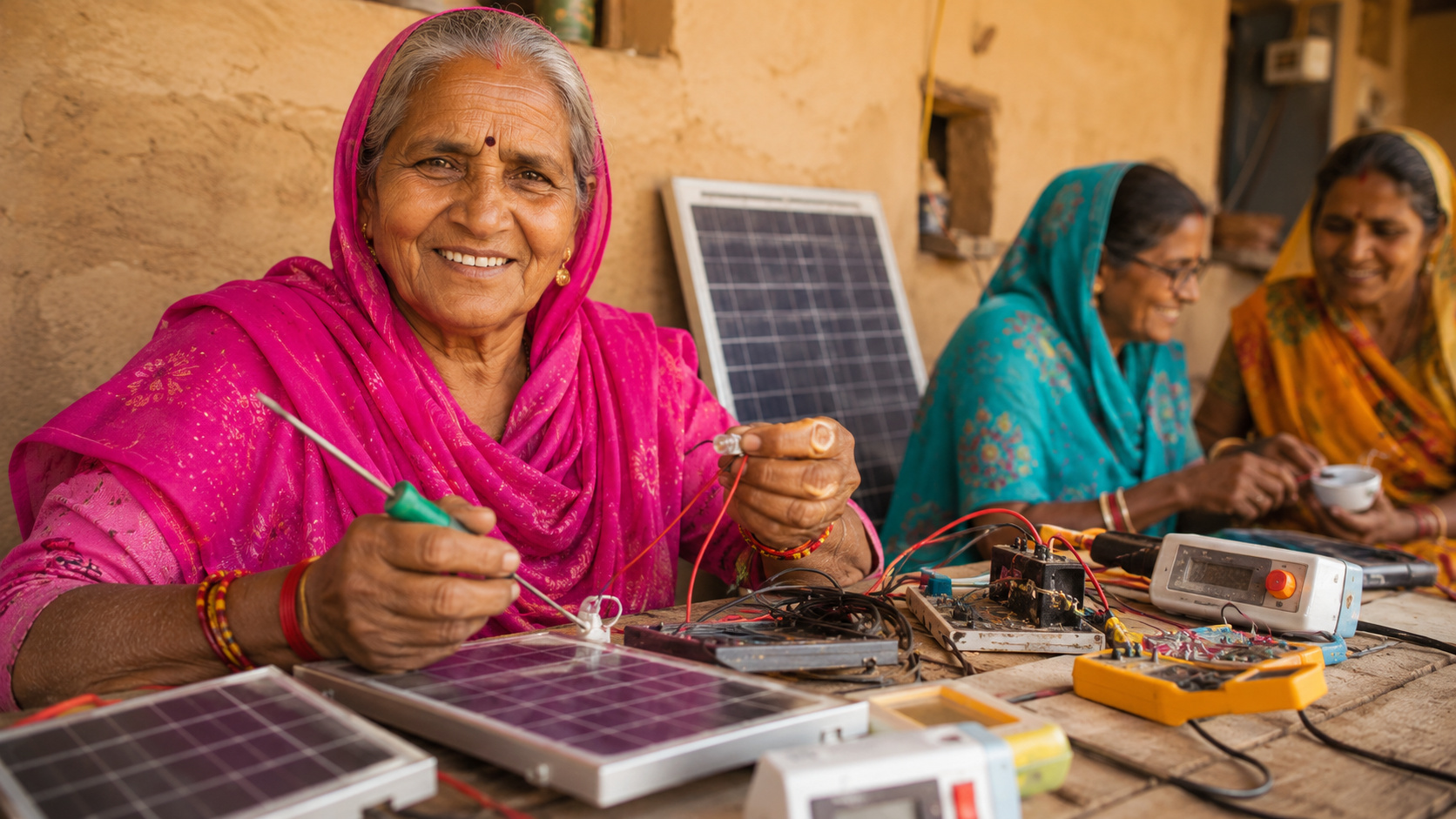
Illiterate or semi-literate grandmothers were trained to repair solar systems, open rural workshops, and light up homes that still depended on kerosene.
-
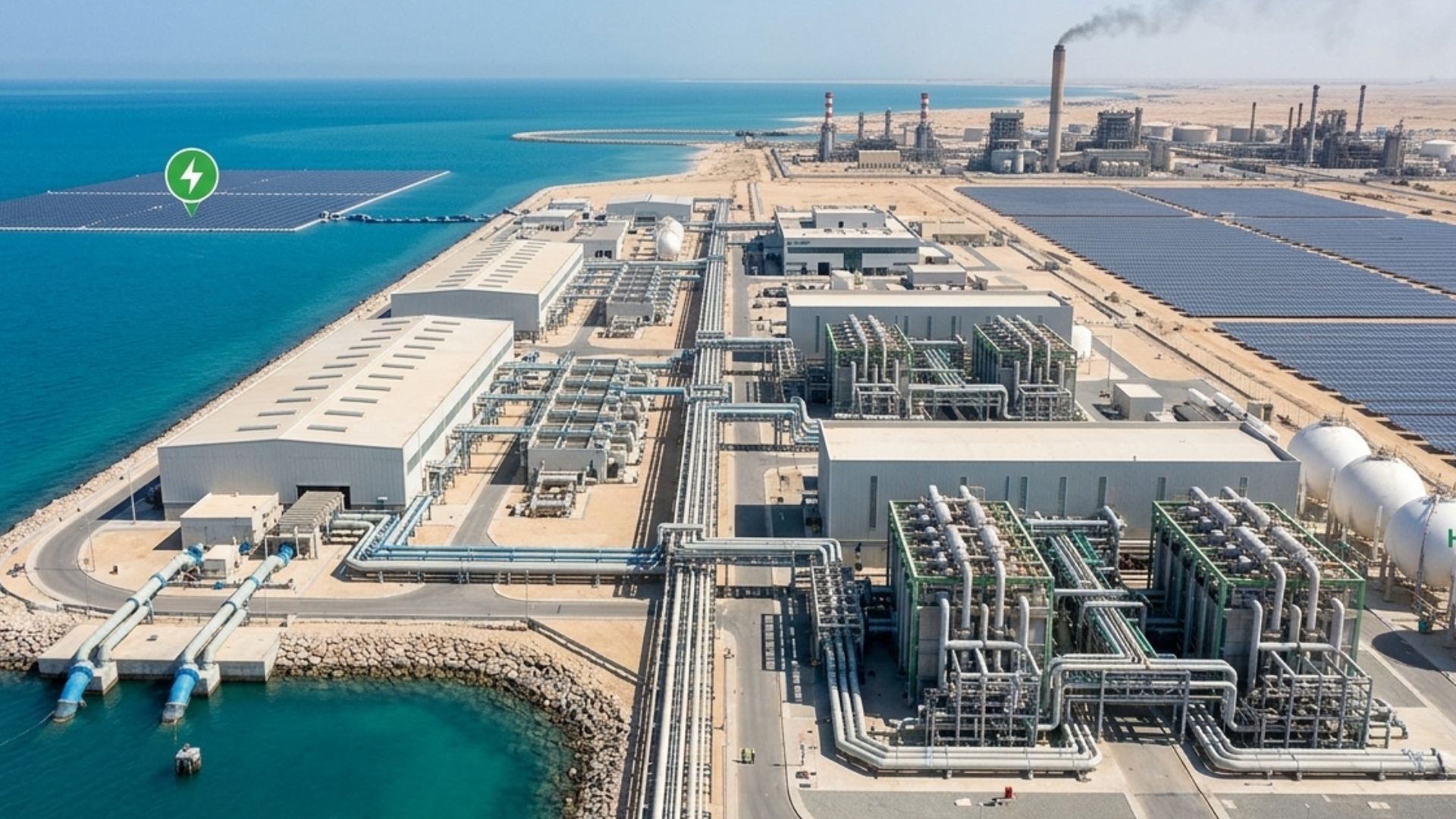
The world has bet on green hydrogen as the fuel of the future, but now faces the side effect: producing 1 kilogram requires about 9 liters of ultrapure water, and the largest projects on the planet are precisely in the driest regions of the Earth, where water is already scarce for people.


And more: countries around the world are already recognizing these benefits. For example, in the Swiss Alps, even in adverse altitude conditions, FPVs have shown impressive performance.
Asia at the Forefront of FPV Technology
When it comes to floating solar energy, Asia is the main player. The continent is responsible for nearly 90% of the installed capacity worldwide, and China leads the race with almost half of the total accumulated.
But what drives this leadership? Government policies that favor renewable energy, ambitious targets, and regulations that encourage the expansion of FPVs. Between 2013 and 2022, the average size of these installations jumped from 0.09 MW to 1.40 MW, while the power density increased from 82 W/m² to 123 W/m².
Africa and Europe Join the Game
According to Xataka, Africa is also starting to explore the potential of FPVs. Projects like the 250 MW plant at the Kariba Dam in Zimbabwe and the expansion from 5 MW to 15 MW in Ghana are signs of a promising future. In Europe, with the elimination of coal as an energy source, countries like Spain are leading the way with a significant increase in photovoltaic generation, now representing 21% of its electricity.
Innovations Shaping the Future of FPVs
Technologies like bifacial panels, which capture reflected light from the water, and solar tracking systems, which maximize exposure to sunlight, are revolutionizing FPV efficiency. These innovations ensure that this solution is not only viable but also economically competitive.
Speaking of economics, a notable example comes from India, where a project managed to reduce installation costs to just $0.41 per watt.
The Future of Floating Solar Energy: A Dive Into Offshore Potential
What if we expanded this technology to the sea? Researchers are looking into offshore applications, which could unlock even more energy capacity. According to estimates, covering just 10% of the surface of continental reservoirs could generate up to 22 TW of energy, enough to meet global electricity consumption.




O problema mesmo é armazenar todo esse potencial de geração diurna para utilizar à noite.