Portuguese
  Spanish





New Space Mission Focuses on Stars to Improve Planet Reading and Complement James Webb Observations
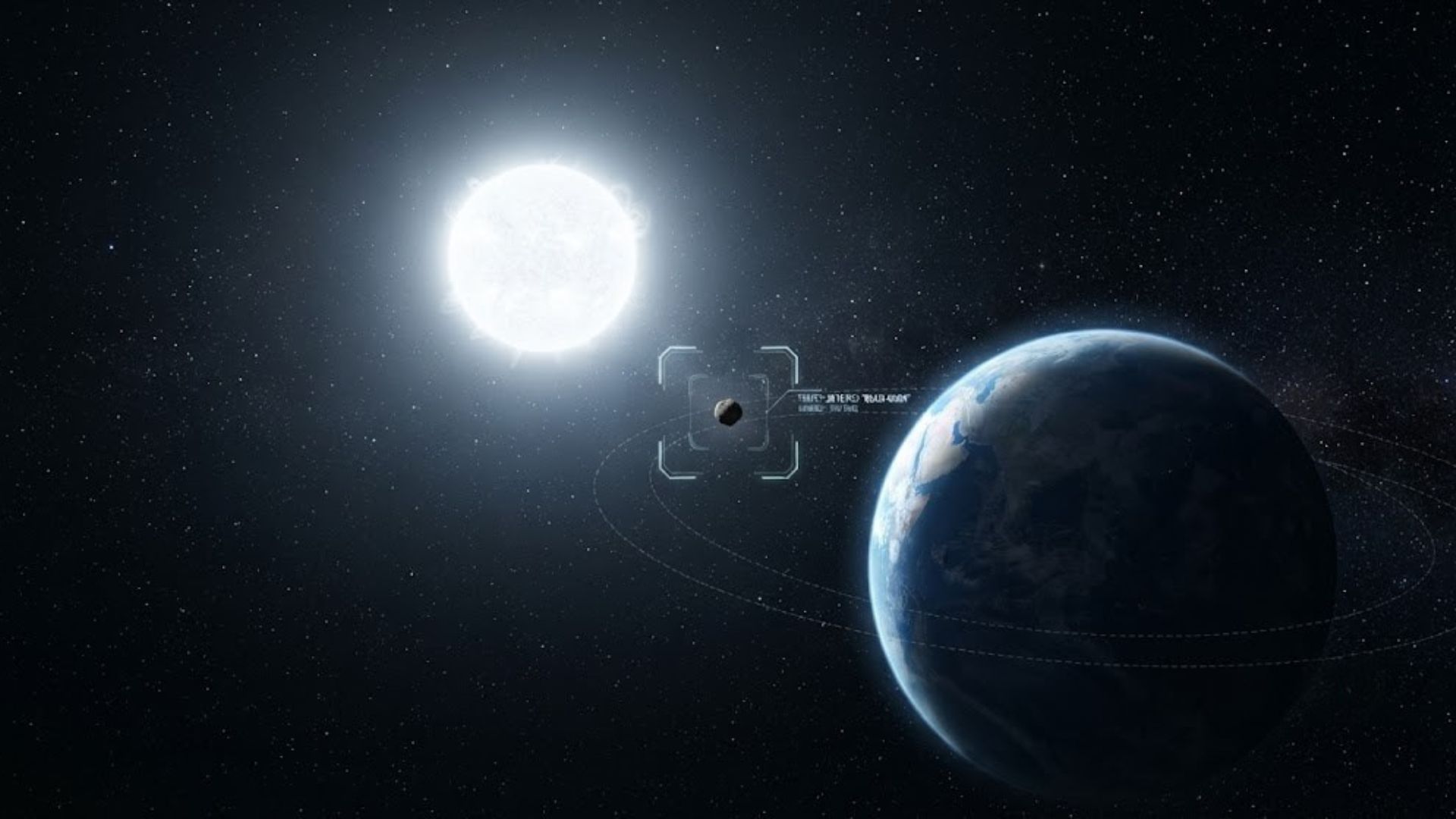
A new stage of space exploration has begun with the launch of the Pandora Telescope, placed in Earth orbit in 2026 to observe stars at an unprecedented level of detail. Since then, the mission has garnered attention from the scientific community because it proposes a different approach: before understanding planets, it is necessary to deeply comprehend the stars they orbit. This technical focus reorganizes the way exoplanet data is interpreted and corrects limitations present in previous observations.
The Pandora proposal arises in a context where thousands of exoplanets had already been identified by 2024, according to data from international scientific institutions. However, even with significant advances, uncertainties persisted precisely because of the variability of stellar brightness, which can distort fundamental measurements about these worlds.
Detailed Study of Stars Becomes a Scientific Priority
The Pandora mission was designed to monitor dozens of nearby stars for extended periods. This way, scientists can record subtle variations in brightness caused by stellar spots, rotations, and magnetic activity. This continuous monitoring allows for a more precise separation of what is the effect of the star and what truly belongs to the orbiting planet.
-
Researchers want to change the way of producing rare earth magnets, reducing purification steps and making better use of the elements found in Swedish deposits.

-
5.5 tons pulled from the seabed: a ‘living carpet’ of invasive coral was suffocating the Baía de Todos-os-Santos until the Brazilian Navy descended with divers, steel brushes, and acid salt to carry out the largest eradication operation of the species ever conducted in the country.

-
A Brazilian project dumped 5,500 concrete blocks and 2 barges into the ocean to block trawling in Paraná, and 25 years later what seemed like a risky intervention turned into an underwater nursery, a diving spot, and a refuge for endangered species.
-
Micron invested $9.3 billion in a factory in Hiroshima to produce the memory that powers the brain of global artificial intelligence.


This methodological adjustment is considered essential because, until now, small stellar oscillations could be mistaken for planetary signals. Thus, measurements of size, mass, and density of exoplanets often carried significant margins of error, which limited more solid conclusions about their nature.
Integration with James Webb Enhances Analysis Accuracy
The Pandora does not replace other space telescopes but acts complementarily. In particular, it works in conjunction with the James Webb Space Telescope, which observes planetary atmospheres at specific wavelengths. While the Webb analyzes the planets, the Pandora provides a detailed portrait of the host star, creating a more reliable foundation for interpreting the data.
This technical integration was planned by researchers associated with NASA and partner scientific centers, who emphasized, as early as 2024, the need for missions dedicated exclusively to stellar variability. Thus, Pandora fills a strategic gap in modern astronomy.
Direct Impact on Exoplanet Characterization
With improved readings of stellar behavior, researchers can reduce errors accumulated in previous analyses. As a result, the identification of atmospheres, estimation of temperatures, and assessment of chemical compositions of exoplanets become more reliable.
Moreover, this data allows for the refinement of theoretical models regarding the formation and evolution of planetary systems. By understanding how different types of stars behave over time, science can better interpret the diversity of worlds that have already been identified.
Mission Reinforces Change of Approach in Modern Astronomy
The beginning of Pandora’s operations represents a clear shift in scientific priority. Rather than focusing only on planets, researchers have come to recognize that a deep understanding of stars constitutes the foundation for any secure conclusions about exoplanets.
Institutional disclosures made between 2024 and 2026 by NASA scientists and teams involved in the mission reinforced this view. According to these analyses, the systematic study of stars tends to elevate the level of precision in future discoveries, especially in research on Earth-like planets.
With Pandora fully operational, astronomy advances into a phase where understanding stars becomes essential to understanding planets, redefining scientific strategies and enhancing the reliability of interpretations about the universe.
Do you believe that the advancement in the search for life beyond Earth depends more on newly discovered planets or on deepening the study of the stars that host them?