Portuguese
  Spanish


A 6.0 Magnitude Earthquake Hit Afghanistan, Destroyed Villages and Left More Than 1,400 Dead and Thousands Injured.
A 6.0 magnitude earthquake struck eastern Afghanistan on September 1, 2025, and has already left at least 1,411 dead and more than 3,200 injured, according to updated data from the government on Tuesday, September 2, 2025.
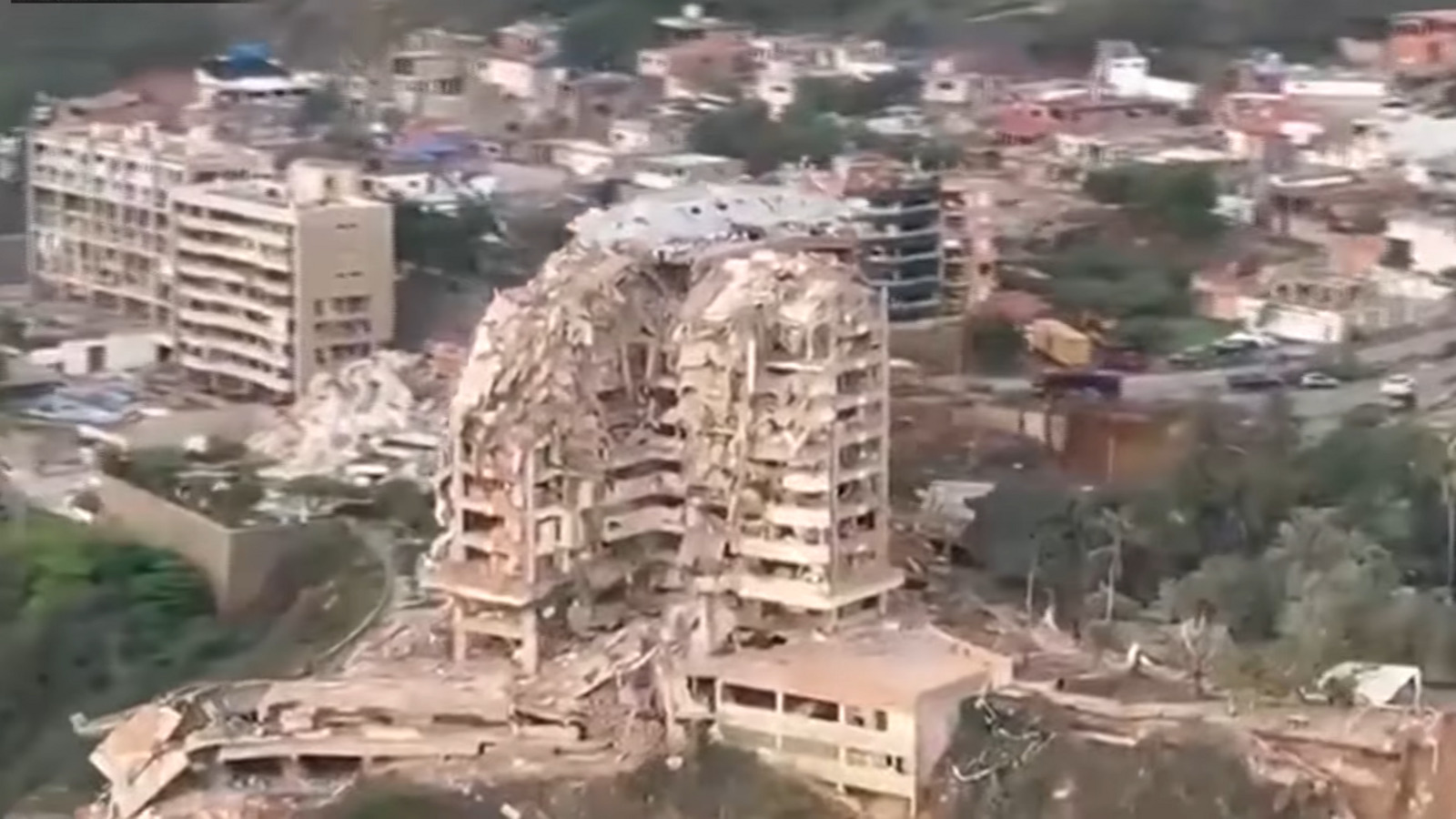
The tremor devastated entire villages, destroyed thousands of homes, and is considered one of the most severe recorded in the country in recent years.
The disaster occurred between the provinces of Kunar and Nangarhar, near the border with Pakistan, about 200 kilometers from the capital Kabul.
-
12-Year-Old Girl Survives Over a Day Trapped in Rubble After Devastating Venezuela Earthquake, Credits Ketchup, Cheese, and Hope

-
Venezuela Earthquakes: 1,430 Dead, Widespread Destruction, and International Task Force Deployed for Survivors
-
Magnitude 6 Earthquake Strikes Afghanistan, Notable Detail Emerges as Tremor Reaches Pakistan
-
Beijing Investigates Possible Collision After Smoke and Debris Seen Near City’s Tallest Building, Citic Tower.


The Immediate Impact of the Tragedy
The earthquake’s epicenter was located only 8 kilometers deep, which intensified the tremors’ strength and increased the range of destruction.
The intensity was felt not only in Kabul but also in Islamabad, Pakistan. According to authorities, more than 8,000 residences were affected, many of which were poorly constructed from clay, contributing to the high number of dead and injured.
Entire villages disappeared under the rubble, complicating rescue efforts. Rescue teams reported that locating bodies took more than a day due to the conditions in the mountainous region.
Afghanistan Under a Scenario of Vulnerability
The tragedy adds to a history of calamities in Afghanistan, one of the most earthquake-prone countries in Asia.
Located over geological faults in the Hindu Kush mountain range, the territory is marked by the collision of the tectonic plates of India and Eurasia, which makes tremors frequent and devastating.
Throughout 2024 alone, about a thousand people had already died in other quakes.
Moreover, heavy rains and floods had been affecting the region in recent weeks, exacerbating the vulnerability of the population.
Reactions from the Government and the International Community
The Taliban regime, which returned to power in August 2021, stated that “all available resources will be used to save lives.”
However, the political change significantly reduced international funds allocated for emergencies, limiting the response to victims.
In local hospitals, doctors faced a scenario of collapse. One professional reported to the Reuters agency that he was receiving new patients affected every five minutes.
Meanwhile, UN agencies began support operations in four provinces, sending rescue teams and basic supplies.
Secondary Tremors Increase Fear
After the main tremor on September 1, 2025, the United States Geological Survey (USGS) recorded five additional secondary tremors, with magnitudes between 4.3 and 5.2, still on the same day.
These new movements intensified the population’s fear and hindered rescue efforts, already compromised by the poor condition of the roads and the destruction of infrastructure.
The Pain of a Country Amid Constant Crises
The combination of political instability, extreme poverty, and the fragility of buildings makes each earthquake in Afghanistan even more devastating.
The incident reinforces the country’s vulnerability to natural disasters and the need for international assistance to reduce human and material impacts.
As survivors try to find missing family members under the rubble, the international community watches with concern yet another catastrophe that highlights the fragility of one of the countries most affected by earthquakes in Asia.