Portuguese
  Spanish


Tesla’s Market Share in the U.S. Drops to 38% in Electric Vehicle Market, the Lowest Since 2017 Amidst Strong Competition from Automakers Like Hyundai, Kia, and Toyota.
Tesla, considered a pioneer of electric vehicles, is experiencing a delicate moment in the U.S. market. Data gathered by Cox Automotive and reported by ADVFN (Advanced Financial Network) on Monday, September 8, revealed that the company has fallen to 38% market share in sales in August, a figure not seen since 2017. The brand dropped below 40% for the first time in nearly eight years, reflecting the growing pressure from traditional competitors.
This decline comes as manufacturers like Hyundai, Kia, Toyota, and Honda intensify their strategies. With aggressive discounts and new model offers, these automakers have reported significant sales increases, in some cases reaching 120% compared to July.
Absence of New Models Weighs on Performance
Experts assess that Tesla is facing difficulties due to a lack of impactful product launches in recent years. The Cybertruck, unveiled in 2023, has not achieved the popularity of the Model 3 and Model Y, vehicles that established the brand’s image.
-
Chinese Giant Invests $1.3 Billion in Brazil to Produce 50,000 Cars Annually, Create Jobs, Develop Local Suppliers, and Manufacture Electric, Hybrid, and Combustion Models by 2027

-
Unprecedented achievement in India: a colossal 650-ton, nearly 3,000 hp excavator is transformed into 100% electric, marking a new phase in heavy mining.
-
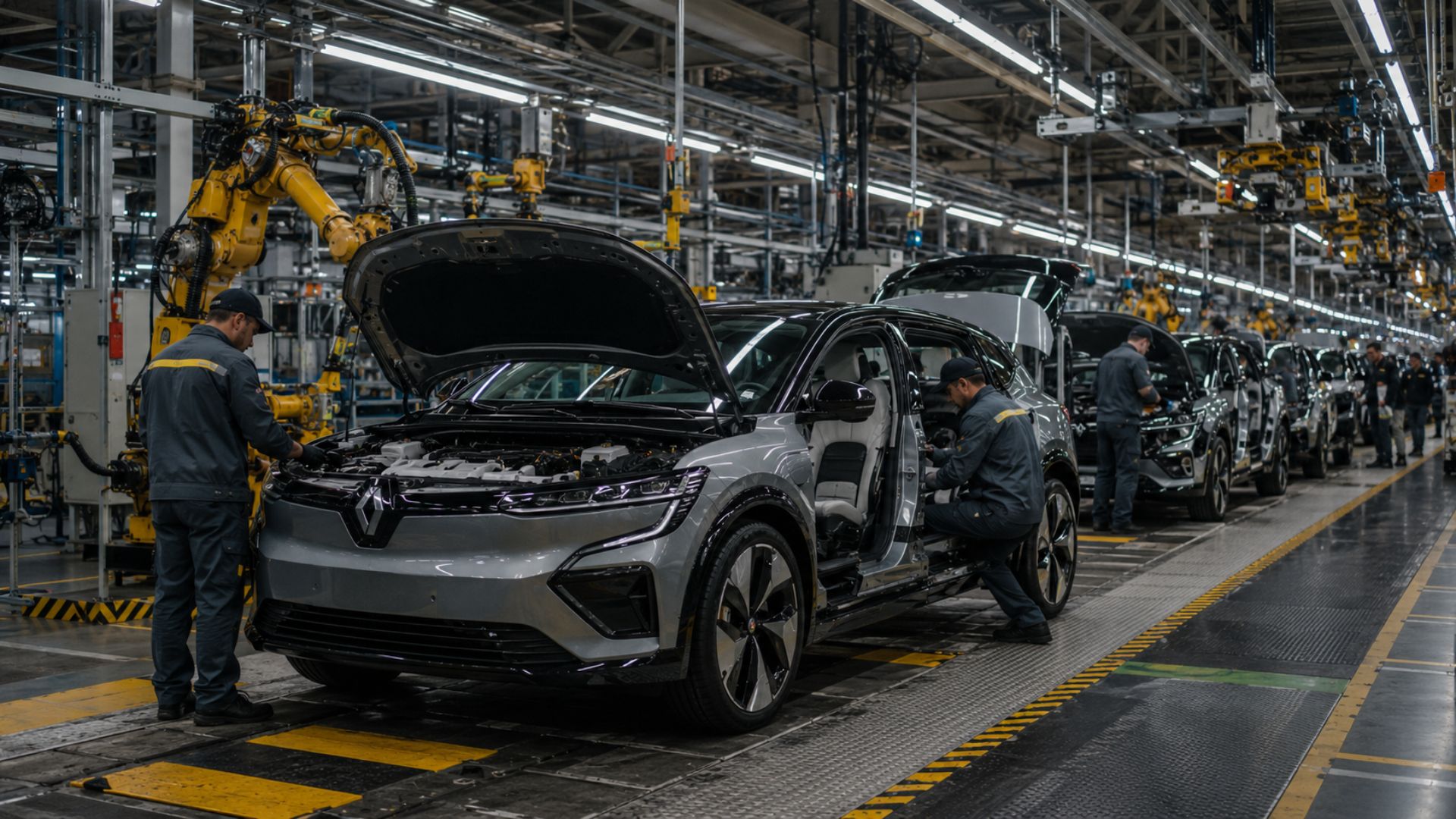
Frightened by the speed of Chinese manufacturers, Renault decided to mimic the pace, made the new electric Twingo in just 21 months, wants to repeat the feat with 36 models by 2030, and along the way, will cut up to 2,400 engineering positions.

-
Chinese battery from Dongfeng promises to exceed 1,000 km without relying on liquid electrolyte, and the detail behind the technology could change the electric car competition.

Even the update of the Model Y, made in early 2025, yielded results below market expectations. Analysts believe this shows that Tesla needs to renew its portfolio more quickly to sustain its position.
Competition Advances with Incentives and Variety
Another factor influencing Tesla’s loss of ground in the U.S. is the expansion of electric vehicle options from other automakers. In addition to more competitive pricing, there is the factor of federal tax credits, which expire at the end of September and increase the attractiveness of competing models.
Meanwhile, Tesla is growing at a slower pace. In August, the company recorded only a 3.1% increase in sales, compared to a jump of 14% in total electric vehicle sales in the country.
Tesla Once Dominated Nearly 80% of the American Market
A few years ago, Tesla reigned almost alone in the sector. Its market share reached 80%, but today the reality is different. Reuters highlights that, even with international expansion and investments in artificial intelligence and robotics, Elon Musk’s brand faces a more challenging and fragmented landscape in the U.S.
Under pressure from traditional automakers and new Chinese companies eyeing the global market, Tesla needs to find ways to regain its strength in an increasingly competitive sector.