






 Portuguese
  Spanish


Texas Innovates in the Solar Energy Market by Using 3,000 Sheep for Solar Panel Maintenance. Understand How This Initiative Boosts the Renewable Energy Sector.
The shepherd Jr Howard never imagined that the installation of one of the largest solar power plants in the world near his home would end up being a unique business opportunity. Despite being the top oil producer in the United States, Texas has made one of the strongest bets on renewable energy in the country, surpassing California in solar production. Understand how the U.S. uses 3,000 sheep for solar panel maintenance.
Texas Uses 3,000 Sheep for Solar Panel Maintenance
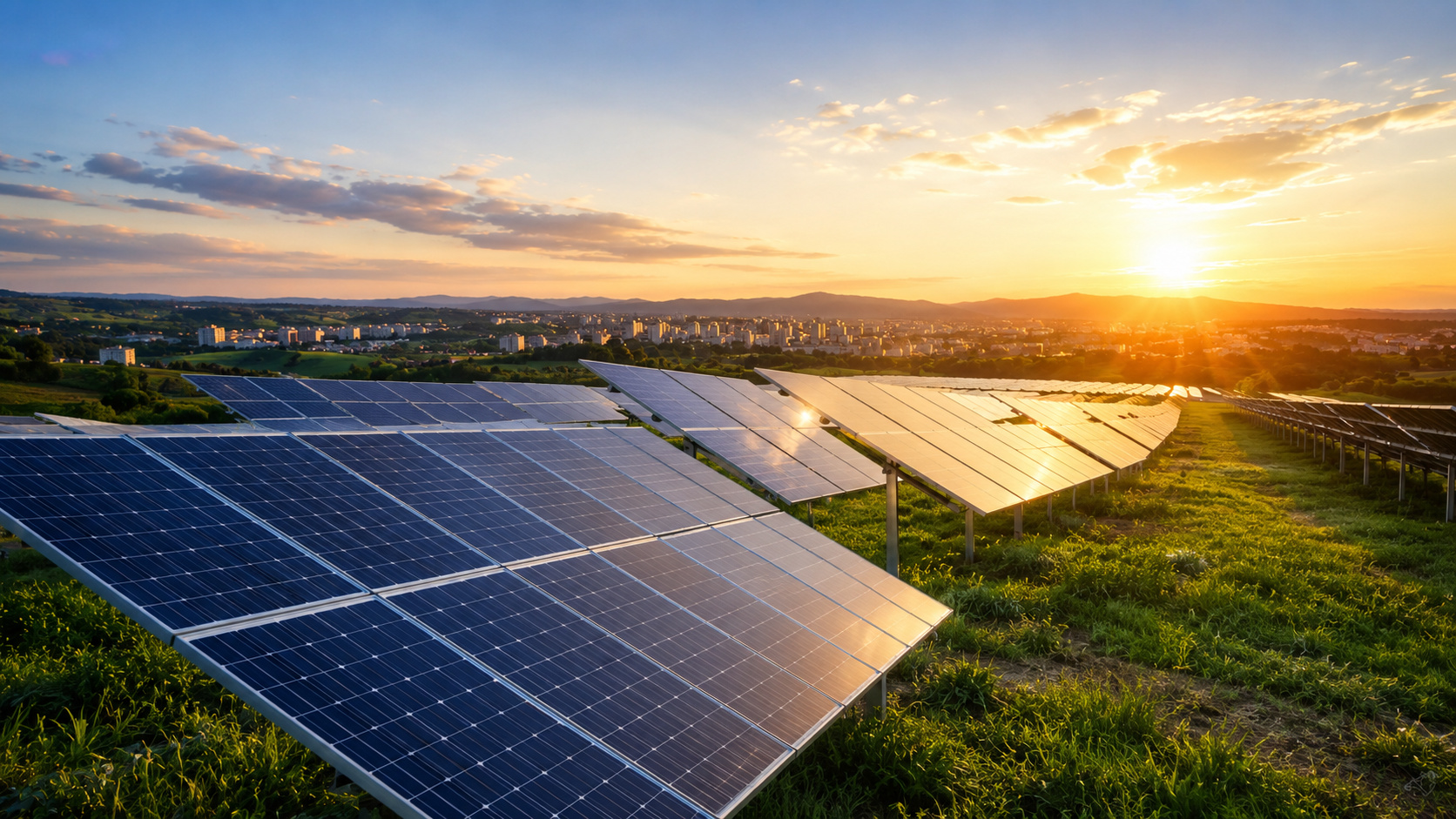
In Milam County, on the outskirts of Austin, lies the fifth largest photovoltaic solar park in the world. Owned by SB Energy, this facility covers 1,600 acres of rural land with solar panels, generating up to 900 MW of renewable energy.
Under the shade of hundreds of thousands of solar panels, not only insects that were previously threatened, like bees, thrive. The grass also grows healthily, necessitating regular maintenance.
-
Solar energy reaches 55 GW, becoming the second largest power source in Brazil’s energy mix

-
Solar energy can increase property value by up to 10% and become a selling point.
-
Solar and wind energy surpass natural gas for the first time in the world and accelerate energy revolution

-
Africa has about 500,000 cell towers and most still burn diesel to operate, while companies rush to cover antennas with solar energy and avoid signal blackouts.


The solar energy industry tends to rely on gas-powered lawn mowers to remove grass, which goes against the essential purpose of renewable energy.
However, the organization responsible for the plant with thousands of solar panels opted for a much more sustainable and traditional solution for maintaining its land: using a flock of 3,000 sheep for maintenance in Texas.
Understand Why SB Energy Used Sheep for Solar Panel Cleaning
In addition to economic benefits, using 3,000 sheep for maintenance is viable because they reach grasses that lawn mowers cannot access, such as those that grow in small cracks. Importantly, the sheep happily munch away, rain or shine.
However, the proliferation of animals grazing in solar farms does not happen only at this facility in Texas. On the contrary, this is part of a much broader trend in the agrivoltaic industry, sometimes referred to as “solar grazing,” as has been seen in Australia.
For JR Howard, using 3,000 sheep for solar panel maintenance has changed his life. His sheep farming business has become industrialized, and he now has 8,000 animals and 27 employees. This is also happening in 27 states across the United States, according to the American Solar Grazing Association, which reports 60 new agrivoltaic projects with grazing small herbivores.
The solar energy industry presents a unique opportunity for sheep farmers, who have generally seen the wool and livestock business decline. Agrivoltaics allows for sunny land to be used for both energy generation and maintaining livestock, flocks of goats and sheep, or growing food.
Australia Achieves Positive Results in Renewable Energy with Grazing
The use of sheep among solar panels is an increasingly common practice. Research has examined the benefits of sheep grazing among solar panels and yielded impressive results at a solar power plant in New South Wales, Australia.
The focus of the study, conducted by Lightsource bp and EMM Consulting, was to determine if wool quality was superior.
The study consisted of three years of analysis with 1,700 Merino sheep divided between groups of sheep grazing in traditional paddocks and those on a solar farm. The research concluded that grazing sheep among solar panels improves wool quality.







Quando o ser humano utiliza a inteligência para o bem o Planeta e a Vida agradecem.
A
Muito interessante proposta. Agora as ovelhas no Texas pode assim aposentadoria vão direto virar carne assada. Só coisa boa.