





 Portuguese
  English
  Spanish
  3 min of reading
  0 comments


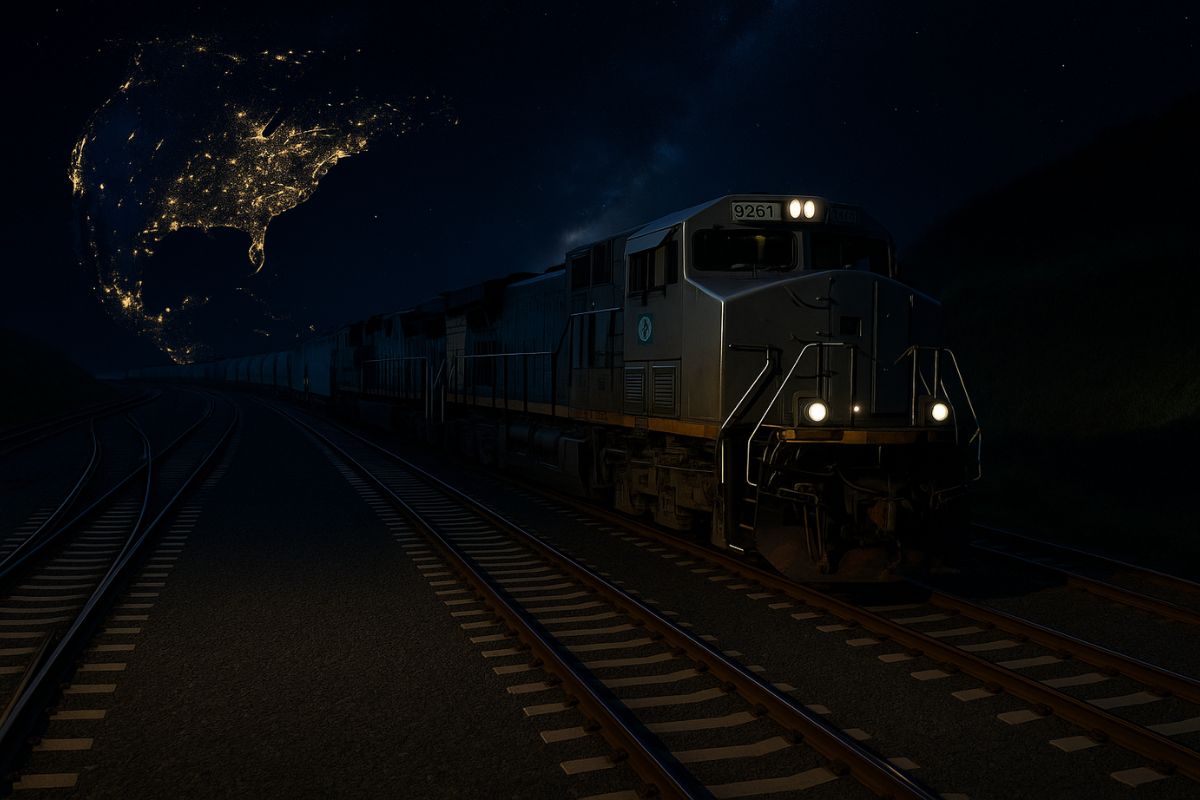
Government Announces National Railway Plan, Auction for Southeast Railway Ring, FIOL+FICO and Ferrogrão, but Only the First Is Expected to Happen by 2025.
The federal government has launched its new national railway plan, an ambitious program aimed at modernizing Brazil’s logistics infrastructure. In an announcement made on May 26, 2025, the National Land Transportation Agency (ANTT) confirmed that the first three major sections of the plan will go up for auction, with an expected investment of R$ 53.2 billion.
The priority projects are the Southeast Railway Ring (connecting Vitória to Itaboraí), the combination of the FIOL and FICO railways in the Midwest, and the much-anticipated Ferrogrão. However, contrary to expectations, only one of these auctions is likely to take place this year. The complexity of the projects and a legal battle in the Supreme Federal Court (STF) have pushed the other two to 2026.
What Is the New National Railway Plan?
The new national railway plan is a R$ 100 billion initiative aimed at rebalancing Brazil’s transport matrix, which is currently excessively reliant on highways. The government’s strategy is to “slice” the plan, auctioning the projects in phases to attract private investors and demonstrate progress more swiftly.
-
Retired trains leave European tracks and become tons of steel, aluminum, and copper in dismantling yards where recycling exceeds 90%, but batteries, composites, and electronics create a new frontier of railway waste.

-
The strategic railway of Santa Catarina will receive R$ 608 million, will undergo historic modernization, and could transform logistics between Mafra and the Port of São Francisco do Sul.
-
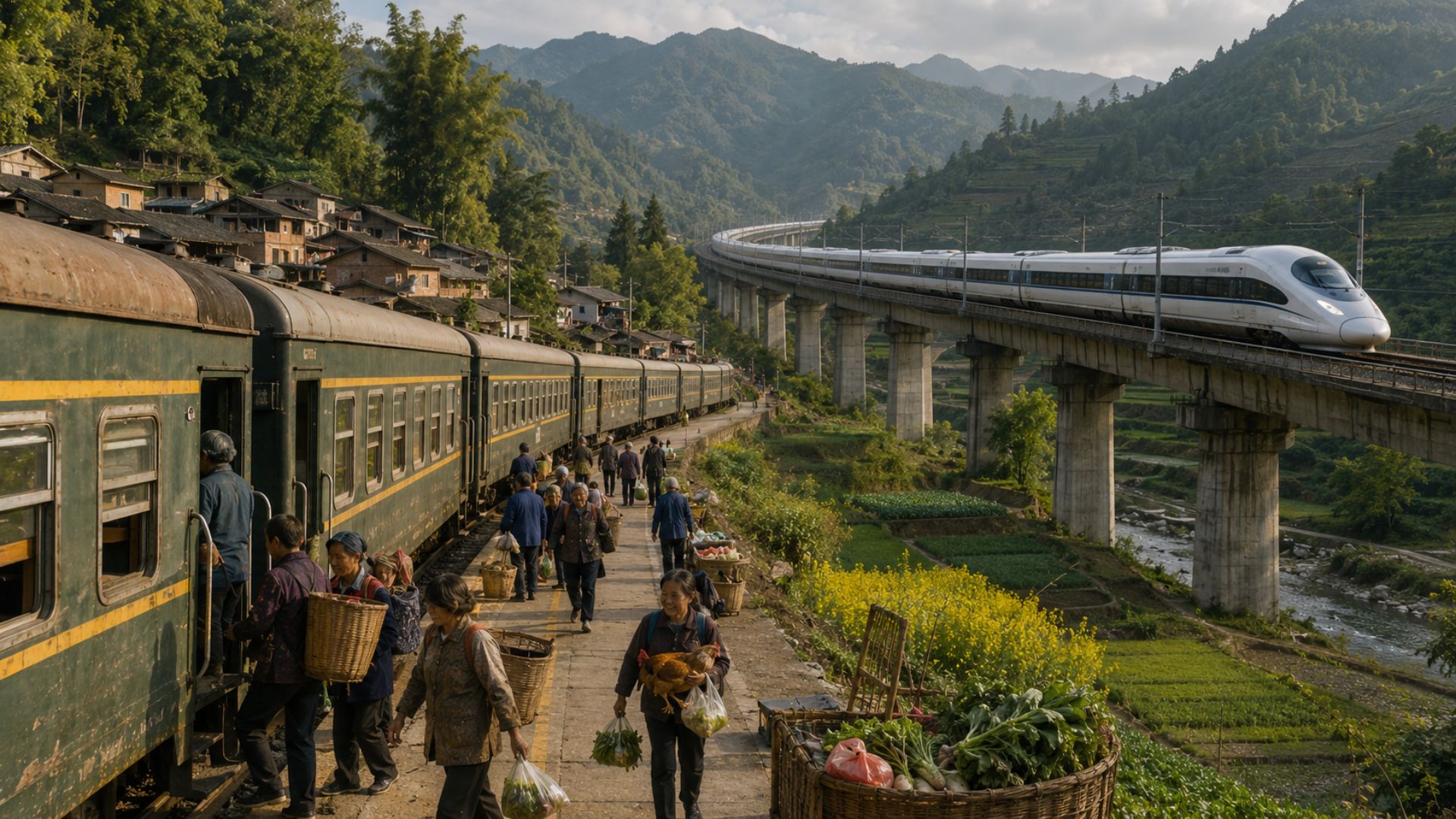
While showcasing bullet trains traveling at over 300 km/h, China maintains about 81 slow train lines that travel at 40 km/h, charge less than R$ 2 for a ticket, and cross remote villages carrying residents, students, and even chickens and vegetables to the market.

-
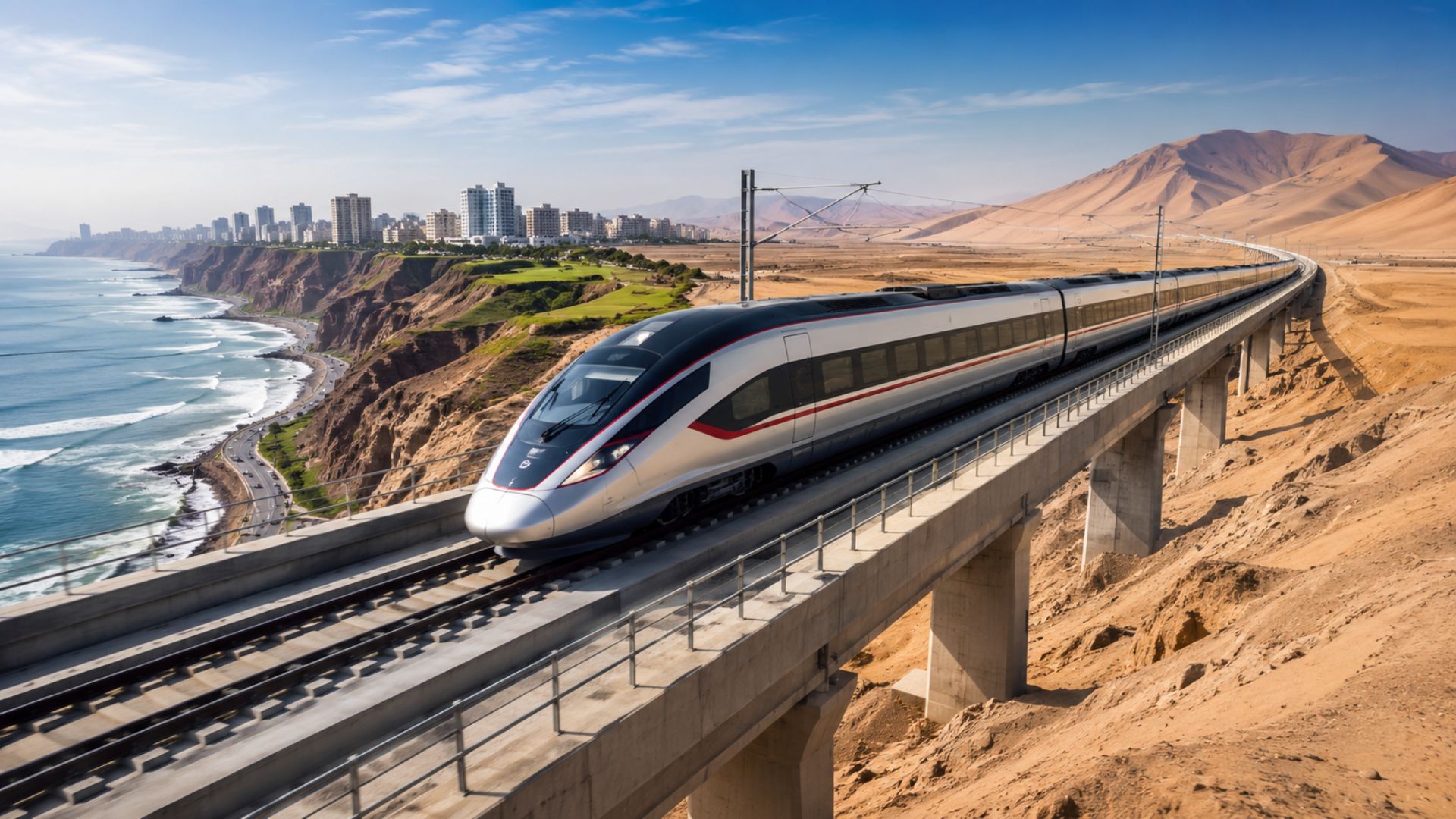
Peru plans to build, with Chinese technology and capital, what is intended to be the fastest train in South America, a high-speed line between Lima and Ica at up to 200 km/h, but the $6.5 billion project is only expected to be completed around 2032.



The business model is a public-private partnership. The government intends to contribute up to 20% of the necessary capital for the projects, covering the so-called “viability gap.” The criterion for winning the auction will be the one that requires the least public funding, a shift intended to make the projects more attractive to the private sector.
The Southeast Railway Ring (Vitória-Itaboraí)
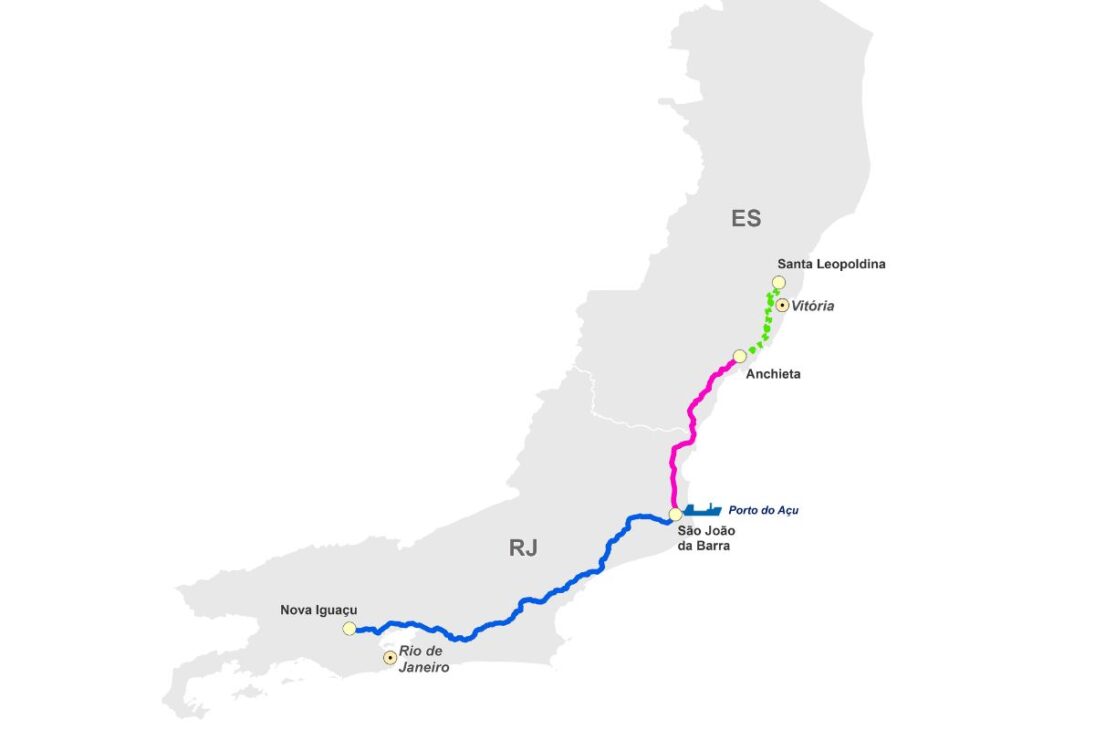
The first project to go to auction will be the Southeast Railway Ring (EF-118). This is the most advanced section from a regulatory standpoint and the only one with a confirmed auction for December 2025. The bid notice should be published in September.
Its strategic function is to connect the two main railway networks in the Southeast, that of MRS Logística and the Vitória-Minas Railway (EFVM), operated by Vale. With an initial investment of R$ 4.56 billion, the railway will create a vital logistics corridor between the ports and the industrial hubs of Rio de Janeiro and Espírito Santo.
The East-West Corridor (FIOL+FICO) and Ferrogrão
The other two major projects of the national railway plan, both focused on grain transportation from the Midwest, have had their timelines adjusted to mid-2026.
The East-West Corridor, which links the West-East Integration Railway (FIOL) and the Central-West Integration Railway (FICO), is a complex puzzle. The winner of the auction will need to build a section from scratch and integrate its operation with other segments being constructed by the government and Vale.
The Ferrogrão (EF-170) is the most controversial and risky project. With 933 km, it would connect Mato Grosso to ports in Pará, but its route cuts through an environmentally protected area. The project is currently halted due to a preliminary decision by Minister Alexandre de Moraes of the STF, and its auction depends on a final resolution from the court.
The Future on Rails
Interest in the new projects is significant. At least 19 companies and investment funds, including national giants like Rumo and VLI, and international groups, including Chinese and Arab firms, have already met with the government.
The success of the national railway plan will depend on Brazil’s ability to secure legal and political stability to attract the necessary private capital. While the Southeast Ring appears as a safer short-term bet, agribusiness projects, although vital for the country, still need to overcome significant legal and environmental challenges to become reality.




Be the first to react!