





 Portuguese
  English
  Spanish
  6 min of reading
  0 comments


The Joinville Bridge, a 980-meter project with an investment of R$ 329 million from the city hall, began receiving concrete in the foundations this week. According to information from NSC, the concreting started on the support on the side of the Boa Vista neighborhood, with blocks 3.5 meters deep that consume 454 cubic meters of concrete each, equivalent to the load of 57 concrete mixer trucks, and the project is expected to be completed by October 2027.
The concreting is being executed by the construction company contracted by the Joinville city hall, which started the work on the central support on the side of the Boa Vista neighborhood. When the work began: this week, as informed by the city hall this Friday. How the foundation is being built: concrete is pumped into the excavation, forming a base 3.5 meters deep with four blocks that will support the central supports of the Bridge. Why this stage is decisive: the central supports are the structure on which the bridge will grow horizontally by the method of successive cantilevers, forming a span of 160 meters over the Cachoeira River without pillars in the middle of the water, and without solid foundations this engineering would be impossible.
Next, it will be the turn of the structure on the Adhemar Garcia side, where excavations are already underway. The bridge is double, meaning each central support has two blocks, and each block receives 454 cubic meters of concrete pumped directly into the excavation. The project was authorized in May 2024 with an original forecast of two years, but the contract was extended until October 2027 because the excavation for the central supports needed to be deeper than initially planned.
454 cubic meters per block: the scale of the concreting

The amount of concrete needed for each block of the foundations of the Joinville Bridge helps to gauge the scale of the project. Each block receives 454 cubic meters of concrete, a volume that would be equivalent to the load of 57 concrete mixer trucks if the material were transported conventionally. In practice, the concrete arrives at the site by pumping, a continuous process that allows the excavation to be filled without interruptions and ensures the structural homogeneity of the foundation.
-
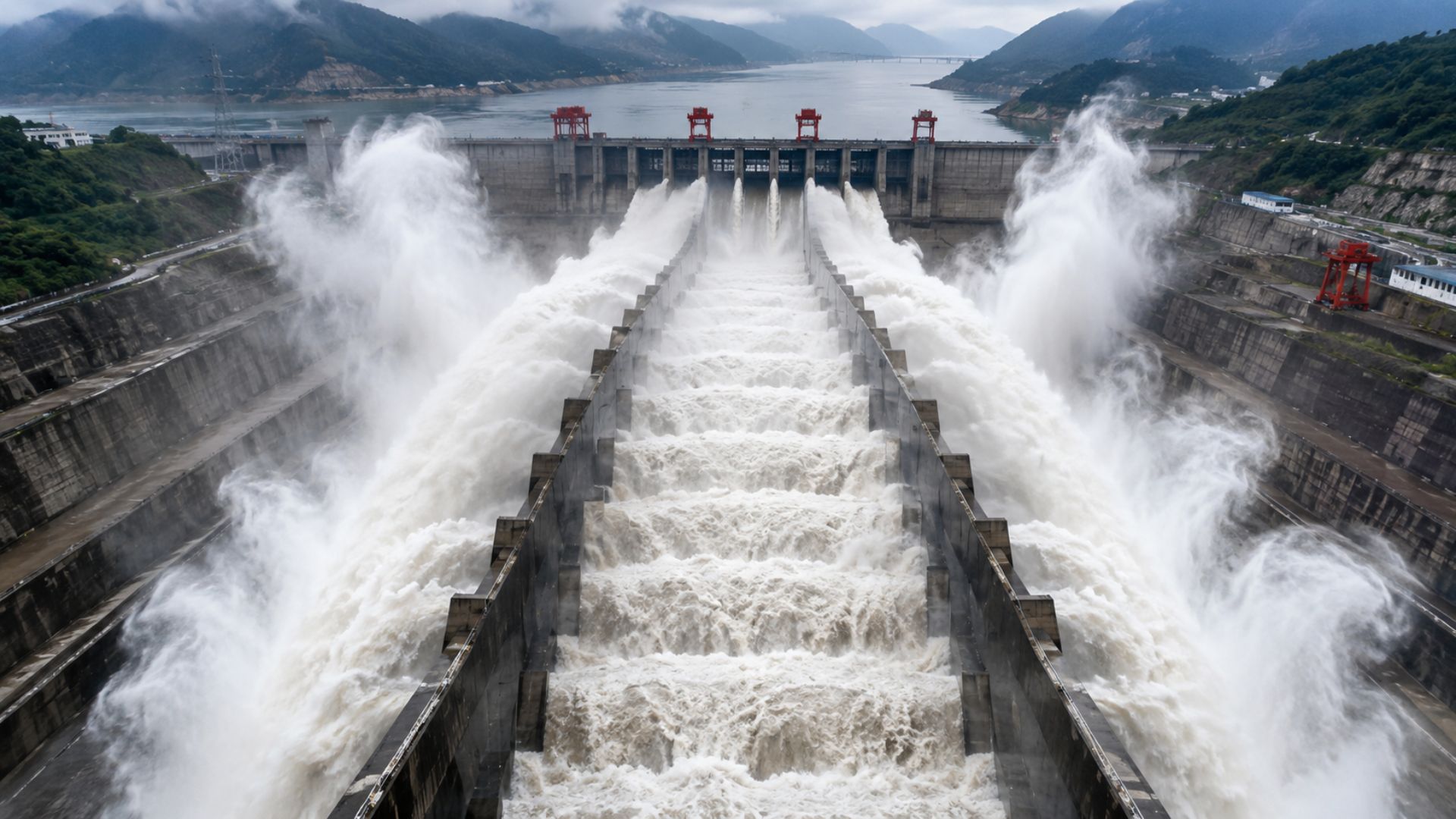
China has decided to tear down a giant water staircase at the largest dam on the planet, a project costing 11.4 billion dollars and taking over nine years to unlock the bottleneck of the Three Gorges and nearly double the load that goes up and down the Yangtze River.

-
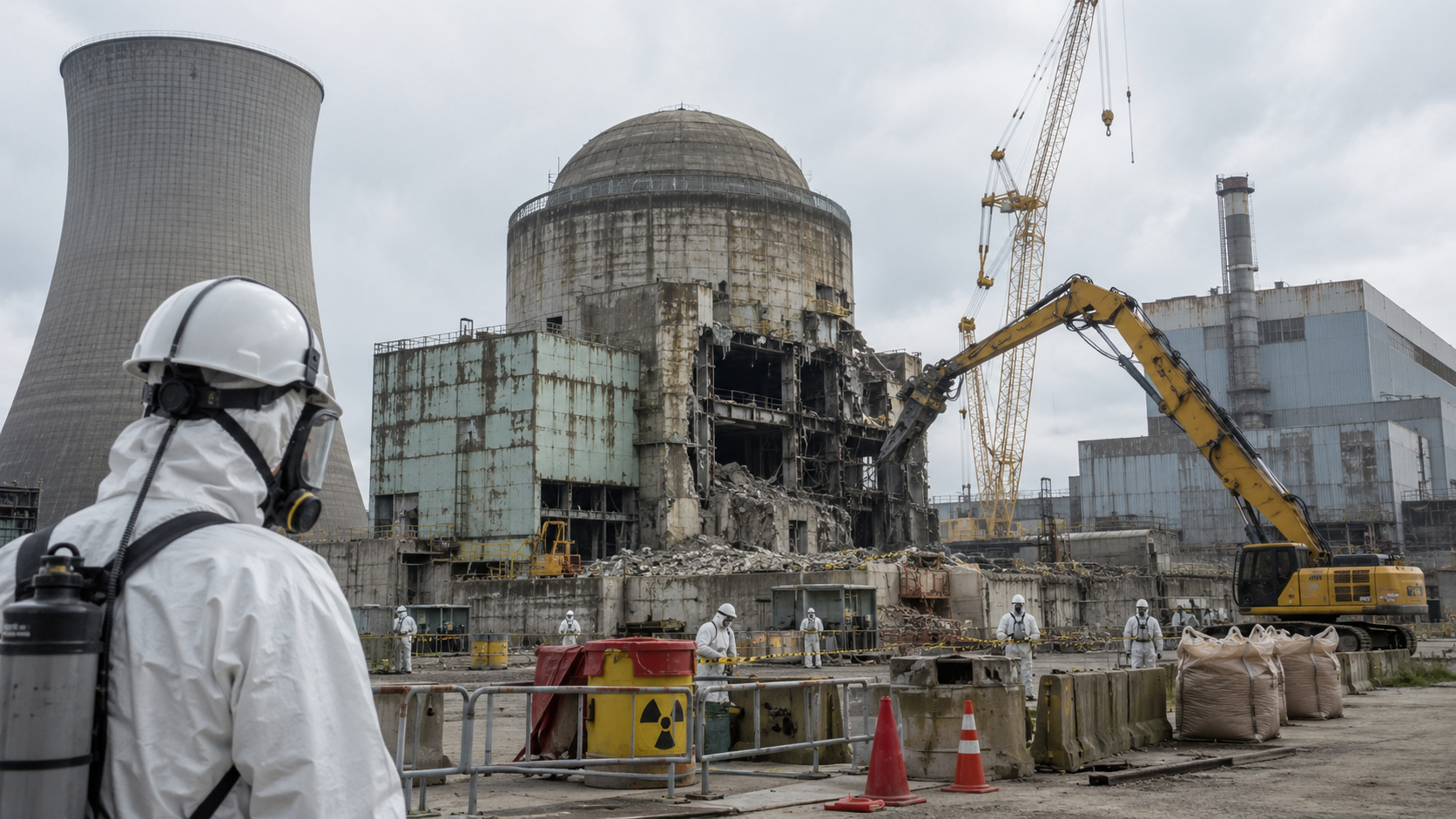
Retired nuclear plants become billion-dollar dismantlings that resemble war surgery: each reactor can cost up to $2 billion, take 20 years to disappear, and leave tons of steel, concrete, and radioactive waste under strict technical control.

-
Almost 4 meters off the ground, a Japanese man builds treehouses in the middle of the forest, creating a sustainable resort with the comfort of a luxury hotel and enters the Guinness; discover the Treeful project.

-
A 700-square-foot tiny house emerges from an old garage and becomes a luxury retreat in Connecticut; the property accommodates up to 4 people, features a sauna, fireplace, river access, and secret furniture hidden in the walls.


As the bridge is double, each central support has two blocks, totaling 908 cubic meters of concrete per support. Considering the two central supports, one on the Boa Vista side and the other on the Adhemar Garcia side, the total volume of concrete just in the central foundations exceeds 1,800 cubic meters. This number does not include the foundations of the supports on the banks, which also consume significant volumes. The scale of the concreting reflects the dimension of a 980-meter bridge that needs to support heavy traffic over a large river.
3.5 meters deep: why the excavation needed to go deeper
The depth of 3.5 meters for the foundations is not arbitrary. The soil where the Joinville Bridge is being built required deeper excavation than the original project anticipated, and this necessity was one of the factors that led to the extension of the two-year contract to October 2027. The geological conditions of the terrain on the banks of the Cachoeira River imposed adaptations that consumed additional time and resources.
Deeper foundations mean greater stability for the entire structure, especially considering the construction method that will be used. The central supports of the Bridge need to withstand not only the weight of the completed structure but also the asymmetric loads that arise during construction by successive cantilevers, when concrete pieces advance horizontally from the pillars in opposite directions. If the foundation is not sufficiently deep and solid, the imbalance during construction could compromise the entire structure.
Successive cantilevers: how the Bridge will grow over the river
When the central supports are ready, the Joinville Bridge will begin to take its final shape through the method of successive cantilevers. From the vertical pillars of each support, concrete pieces will be constructed horizontally in both directions, gradually forming a “T” shape. Each piece advances a few meters from the pillar, is solidified, and serves as the base for the next piece, in a process that repeats until the ends from both sides meet in the middle of the span.
This technique allows the Bridge to form a 160-meter span over the Cachoeira River without the need for pillars in the middle of the water. The absence of pillars in the riverbed is advantageous for several reasons: it does not interfere with the water flow, does not require complex underwater foundations, and does not create obstacles for vessels that may navigate the Cachoeira. For engineering, the 160-meter free span is a demonstration of technical capability that few infrastructure projects in medium-sized cities in Brazil achieve.
A double bridge of 980 meters
The Joinville Bridge is not a simple one-way structure. It is 980 meters long in a double configuration, meaning separate lanes for each direction of traffic, with the capacity to absorb the volume of vehicles crossing the Cachoeira River between the Boa Vista and Adhemar Garcia neighborhoods. The double configuration also allows one of the lanes to be closed for maintenance without completely interrupting the traffic flow.
The investment of R$ 329 million, fully funded by the Joinville city hall, reflects both the length of the bridge and the complexity of the project. Nearly a kilometer of structure over a river, with a 160-meter free span, foundations 3.5 meters deep, and construction by successive cantilevers represents an engineering challenge that justifies the cost and extended timeline. For the city, which is the largest in Santa Catarina by population, the bridge promises to solve a mobility bottleneck that affects thousands of drivers daily.
From May 2024 to October 2027: the adjusted schedule
The works on the Joinville Bridge were authorized in May 2024, with an original completion forecast of two years. The extension of the contract until October 2027 is due to the need for deeper excavations for the central supports, a condition that the original project did not foresee with the necessary precision. The geology of the terrain imposed adaptations that consumed additional months and consequently delayed all subsequent stages.
With the concreting of the foundations starting this week, the construction enters a phase that offers visible results to the population. The excavations, which took place in previous months, had little visual impact for those passing by. From now on, the concrete blocks, the vertical pillars, and soon, the horizontal pieces of the successive cantilevers will give the Joinville Bridge a recognizable shape that will allow residents to follow the real progress of the construction.
Concrete in the foundation, shape on the horizon
The 980-meter Joinville Bridge began receiving concrete in the foundations this week, with blocks 3.5 meters deep that consume the equivalent load of 57 concrete mixer trucks each. When the central supports are ready, the structure will grow horizontally by the method of successive cantilevers until forming a 160-meter span over the Cachoeira River without pillars in the water. The R$ 329 million investment by the city hall is expected to be completed by October 2027.
Do you follow the works of the Joinville Bridge? Tell us in the comments if you cross the Cachoeira River daily, what you think of the extended deadline until 2027, how you evaluate the R$ 329 million investment, and if you believe the bridge will solve the traffic problem between Boa Vista and Adhemar Garcia. We want to hear your opinion.








-

-

-

-

-

8 people reacted to this.