






 Portuguese
  Spanish


The Chinese consortium offered 124 million reais less than the competitor, but left the competition for failing to meet a requirement of the tender. The second place was called, although there is still no official winner. The decision depends on the analysis of the documents in a session scheduled for June 15.
The Chinese company that had submitted the cheapest offer for the new trains of the Salvador metro ended up out of the competition, a setback that brings the French Alstom closer to the contract. The Bahia State Transport Company, CTB, disqualified the CRRC Changchun Consortium, which was leading in price in the international competition for the purchase of ten new trains for lines 1 and 2. The information was disclosed by the newspaper A TARDE, based on a decision published in the State Official Gazette.
With the exit of the Chinese, the turn goes to the second place, which offered a higher value. Alstom, a manufacturer from France, was called for the next stage of the process and is in a position to move towards the contract. However, caution is advised, with the right word: the French company has not won anything yet. Until the closing of the A TARDE report, there was no official publication confirming any winner.
The cheapest proposal from the Chinese company that was left behind
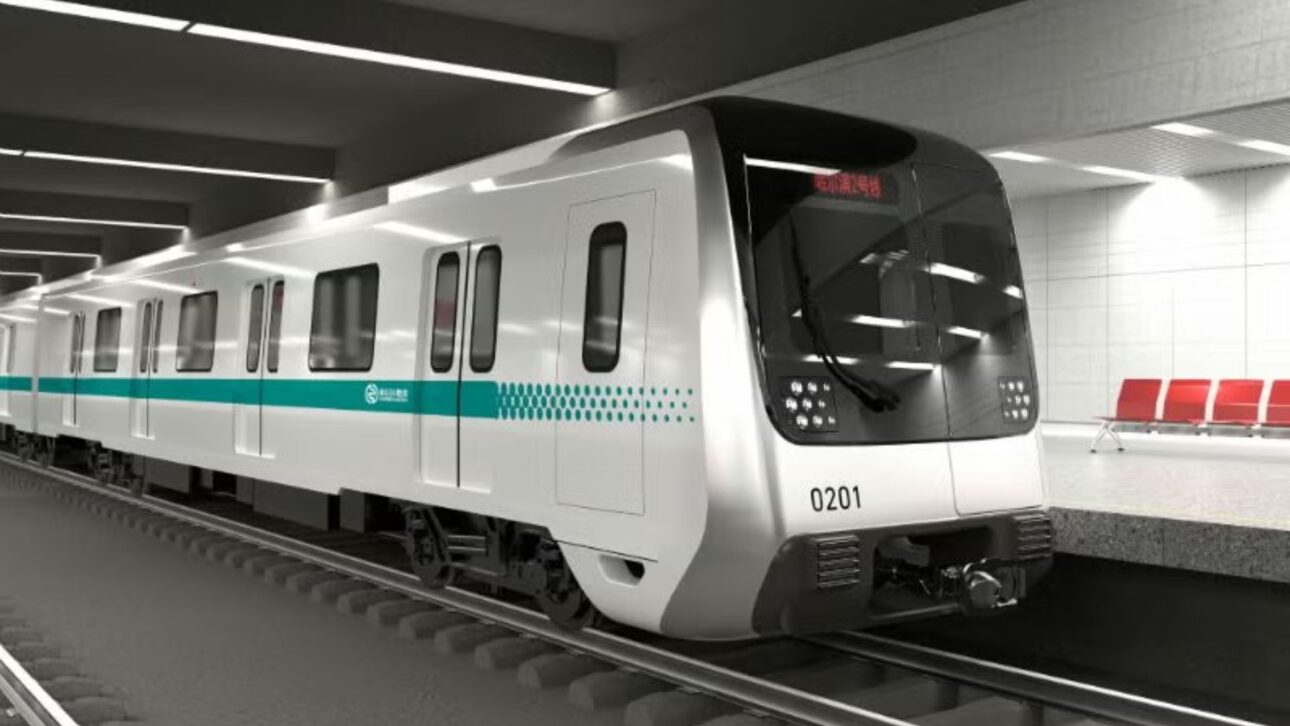
According to the result released by CTB, the CRRC Changchun Consortium was disqualified for failing to comply with item 12.2 of the international face-to-face tender, a requirement related to proving that the products could be financed by the credit lines provided in the tender.
-
Half of Brazilians Prefer Lower Taxes with Private Health and Education, While 44% Opt for Higher Taxes for State-Provided Services, Datafolha Survey Reveals

-
Brazil’s Most Expensive Toll Rises to R$ 40.60 on Route from São Paulo to the Coast, Nearly Matching Bus Fare to Santos

-
As Brazil Expands Social Welfare, Survey Reveals 40% Blame Poverty on Laziness, While 58% Cite Lack of Opportunities

-
China Tightens Control on Antimony, Driving Prices from $22,000 to Nearly $40,000 per Ton as U.S. Rushes to Bolster Strategic Reserves



In other words, the offer was the cheapest, but it stumbled on a qualification rule.
And the difference in values was not small. The Chinese proposal was 490.4 million reais, below the other competitors in the competition.
Even being the cheapest, it did not meet the requirements of the notice, and the price criterion alone is not enough to guarantee the contract in a bid like this.
It was this detail that took the Chinese out of the lead and changed the course of the competition.
Alstom’s Turn and the June 15 Session
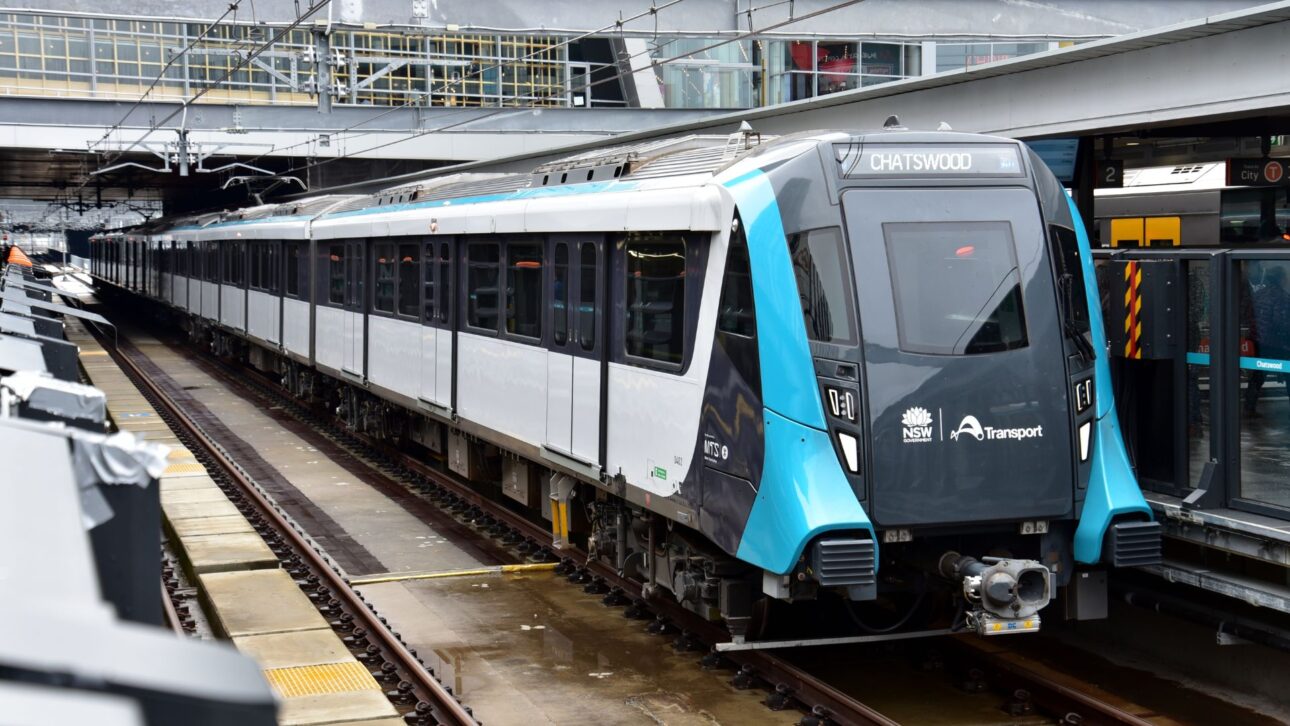
According to A TARDE, the Permanent Bidding Committee scheduled a public session for June 15, at 9 am, at the CTB headquarters, in the Calçada neighborhood, in Salvador.
At the meeting, the so-called Envelope 2, with the qualification documentation of the second place, will be opened.
This is where Alstom comes into play, but still without anything guaranteed. The French company presented a proposal of 614.4 million reais for the ten trains, about 124 million more than the disqualified Chinese offer.
The expectation is that their documents will be analyzed in the session, but the report itself emphasizes that there is no official confirmation of the company as the winner so far.
Everything depends on what the qualification analysis will reveal.
What’s at Stake for the Salvador Metro
Behind the dispute between the manufacturers, there is a concrete expansion of transportation in the capital of Bahia.
The international bidding was launched in October 2025 and provides for the delivery of ten new compositions, each consisting of four cars, intended for lines 1 and 2 of the Salvador and Lauro de Freitas Metro System.
In practice, it is a fleet reinforcement for rail operation in the Metropolitan Region.
For now, the process remains open and without a defined outcome.
The choice of the company that will manufacture the trains depends on the analysis of the documentation of the second place, and only after that can the contract be effectively signed.
Until then, there is a turnaround that changed the order of the dispute, with the Chinese eliminated and the French closer, but nothing that can already be treated as a final decision.
The disqualification of the Chinese company with the lowest proposal shows how a public bid is not decided only on price, but on compliance with all the rules of the notice.
Alstom has gained the chance to take over the contract for the ten trains of the Salvador metro, but the qualification stage still needs to be overcome, and no winner has been officially announced.
The next chapter unfolds in the scheduled session, when the French company’s documents will be on the table.
And you, what do you think of this twist in the purchase of the new trains for the Salvador metro? Comment if you think it is right that the cheapest proposal was disqualified due to a requirement in the bid, how you assess Alstom’s arrival at the forefront of the process, and what you expect from the fleet expansion in the Metropolitan Region. The space is open for debate, with respect for different opinions.


