Portuguese
  Spanish


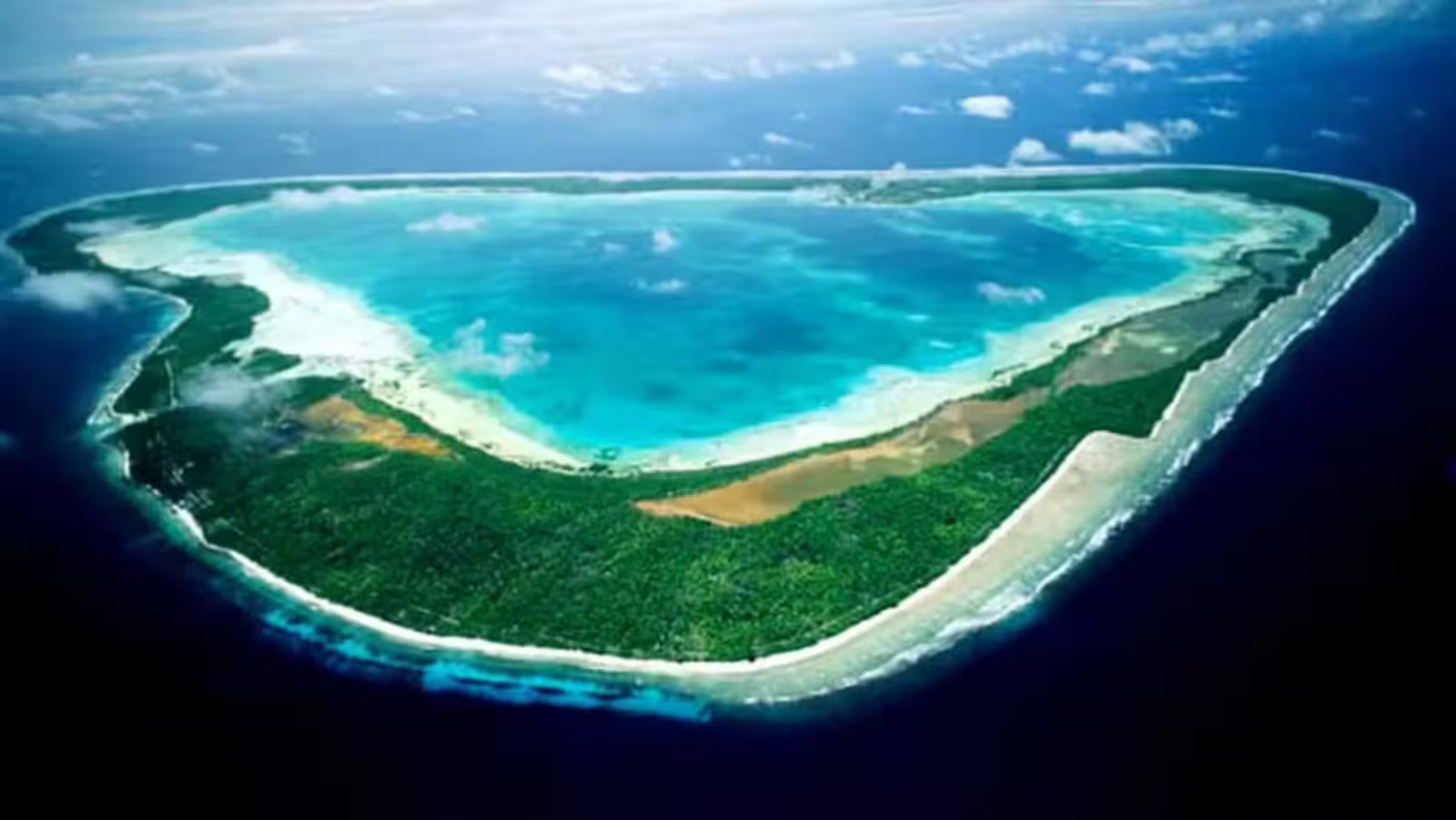

Kiribati, an archipelago in the Pacific, receives only 9,500 tourists per year, spans all four hemispheres, and faces a growing risk of disappearance with rising sea levels
Kiribati is the least visited country in the world and the only one present in all four hemispheres. With approximately 9,500 tourists per year and territory threatened by rising sea levels, the archipelago combines isolation and the risk of disappearance.


Kiribati holds rare records
In the middle of the infinite and mysterious Pacific Ocean lies Kiribati, a little-known archipelago that holds two curious records.
The first is tourism-related. The country receives only about 9,500 visitors per year, a very low number compared to other destinations in the region.
-
Viking Textile Factory Unearthed in Denmark Reveals Ancient International Trade Links

-
Bruno Guimarães, 28, Misses Crucial Penalty Against Norway in World Cup After Replacing Vinicius Jr.

-
Inspired by a school lesson on Africa’s water crisis, a young boy raised money through chores to fund a well that transformed a Ugandan community.
-
Brazilian Construction Worker Moves to France, Earns Up to €2,500 Monthly with Home Renovations, Gains Social Media Attention




The second is geographical. Kiribati is the only state on the planet with a simultaneous presence in the northern, southern, eastern, and western hemispheres.
The country is made up of 32 coral islands. Many of them have pristine beaches, turquoise waters, and practically untouched landscapes, but they remain off the well-known tourist routes.
Although its land area does not exceed 811 km², its maritime domain reaches about 3.5 million km², giving it one of the largest oceanic areas in the world.
The islands are divided into three groups: Gilbert, Phoenix, and Line Islands (La Línea). Its territory also includes Kiritimati, described as the largest atoll in the world.
Long journey, difficult access, and controlled tourism
The difficulty of reaching it helps explain the low tourist flow. The journey can last more than 24 hours by plane, with layovers in cities like Los Angeles, Hawaii, or Singapore.
The country has no commercial sea routes or international ferries. Furthermore, it has only two international airports, which limits access.
The authorities have adopted a controlled tourism model. The priority is to conserve the natural environment and preserve the island ecosystems.
Those who arrive find a way of life strongly linked to tradition. In many areas, the population lives from fishing, coconut cultivation, and breadfruit.
In the capital, most residents live in traditional houses. At the same time, signs of modernity are beginning to appear, such as internet, vehicles, and small businesses.
Despite its image as a paradise, Kiribati faces isolation, limited infrastructure, and the growing effects of climate change, which exacerbate the difficulties on the islands.

Small population and growing pressure in Tarawa
Only about 20 islands are inhabited. In total, approximately 140,000 people live in the country, and most face very precarious conditions.
The most critical situation is in South Tarawa, a narrow strip where almost half of the population lives. Uncontrolled urban growth has increased density and pressure on natural resources.
In this part of the country, overcrowding is compounded by a lack of basic services. Population concentration overloads the available infrastructure and exacerbates existing problems.
The scarcity of drinking water is among the most urgent challenges. Many wells are contaminated by saltwater and waste, which worsens living and health conditions.
Organizations like Doctors Without Borders (Médicos Sem Fronteiras) work to address needs in maternal and child health amidst limitations in access to medical services.
The country also experiences high rates of tuberculosis, leprosy, and diabetes. Access to healthcare remains very limited for a significant portion of the population.
World War II left its mark on the archipelago
Beyond its present isolation and difficulties, Kiribati played a significant role in 20th-century history during World War II.
On the island of Tarawa, one of the bloodiest battles of the Pacific front took place. On the islet of Betio, almost 6,000 people died in the confrontation that ended with the victory of the Allied forces.
This past now coexists with international agreements that help sustain the local economy, including initiatives related to sustainable fishing and trade with the European Union.
Kiribati sinks with sea level rise
The most concerning fact about Kiribati is related to the altitude of its atolls. Most of them rise only six meters above sea level.
In some cases, like Tarawa, this elevation is no more than three meters. This makes the country one of the most vulnerable in the world to rising ocean levels.
Recent estimates indicate that 81% of the population has already directly suffered the effects of this advance, with situations ranging from floods to the loss of habitable land.
The sea also causes salinization of fresh water, soil degradation, and increasing difficulties in maintaining agriculture and fishing, essential activities in the archipelago.
The environmental crisis is compounded by overcrowding, resource scarcity, and precarious services. The result is an increasingly difficult situation for the population.
Projections indicate that, by 2030, the country will need at least 50% more food. This need grows in a scenario where available resources are already scarce.
Between isolation, low visitation, urban pressure, and sea level rise, Kiribati combines extreme vulnerability and an imminent risk of disappearance that already affects the daily lives of the population today.
With information from Tempo.