






 Portuguese
  Spanish


High-precision digitization virtually preserves the rare skeleton of the vaquita, a Mexican species on the brink of extinction in the Gulf of California
A team of researchers from the United States has created one of the most detailed digital anatomical records ever produced of the vaquita, a species considered the most endangered marine mammal in the world.
The work was published in 2026 in the scientific journal Marine Mammal Science and brought together experts from the Florida Atlantic University, the San Diego Natural History Museum, SeaWorld California, and NOAA Fisheries.
The research used computed tomography, micro-computed tomography, and high-resolution photography to transform a rare skeleton into a meticulous three-dimensional model.
-
Iraq floats and sinks under an arm of the Euphrates 10 giant concrete boxes of 46,000 tons and 125 meters each to assemble a 2.4 km submerged tunnel and open a new land route between Asia and Europe.

-
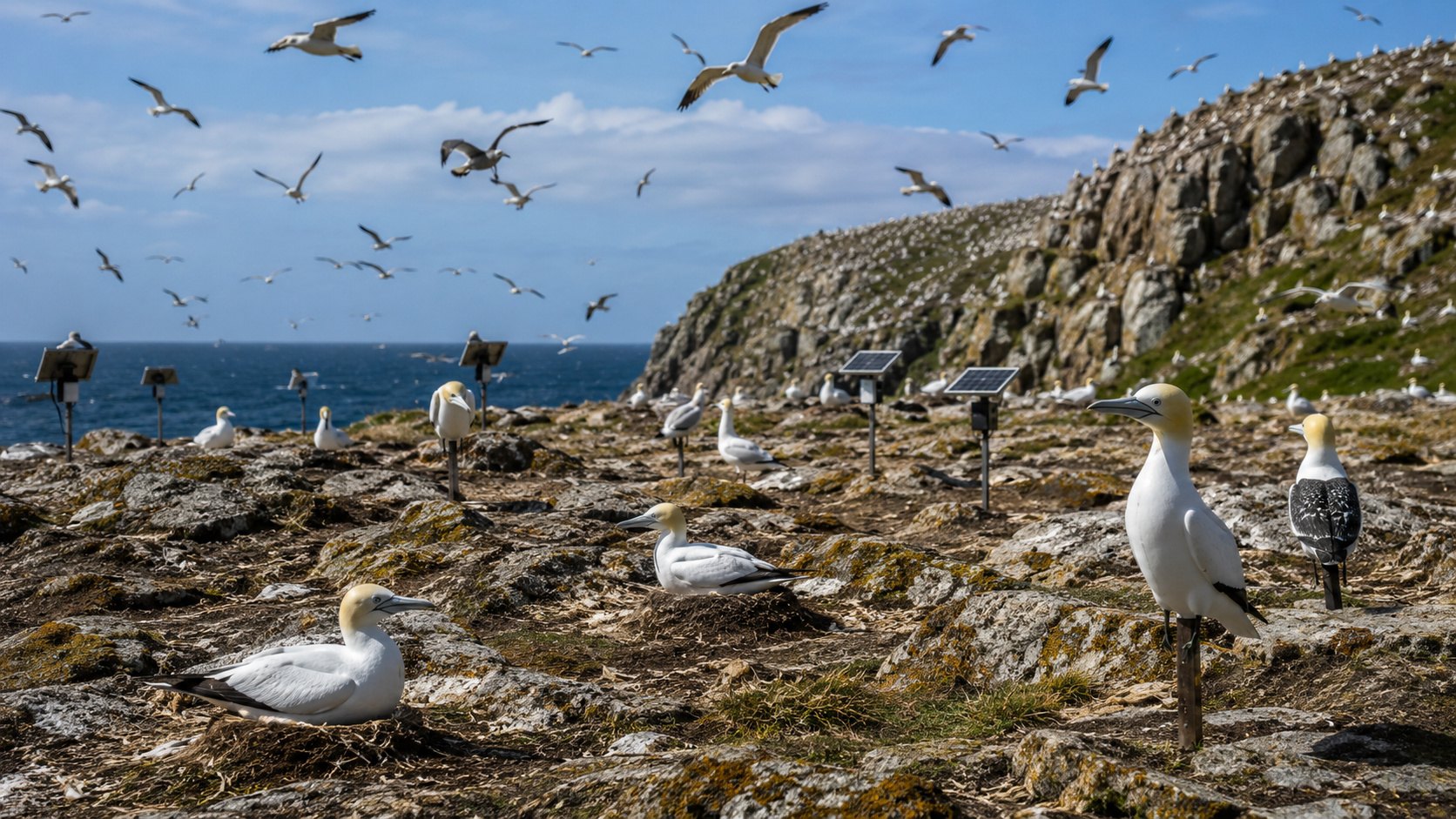
Scientists use more than 20,000 artificial birds and solar speakers to “trick” seabirds, reactivate nesting routes, and revive a colony on an island that seemed abandoned.

-
She spent 73 years breathing inside an iron lung, survived the aftereffects of polio, and became the last woman in the United States dependent on the equipment before dying at 78 years old.
-
Brazilian students created a $1 filter using pine bark, cotton, and 3D-printed parts to clean cassava wastewater, reduce the toxicity of a hazardous waste, and transform contaminated water into biofertilizer.



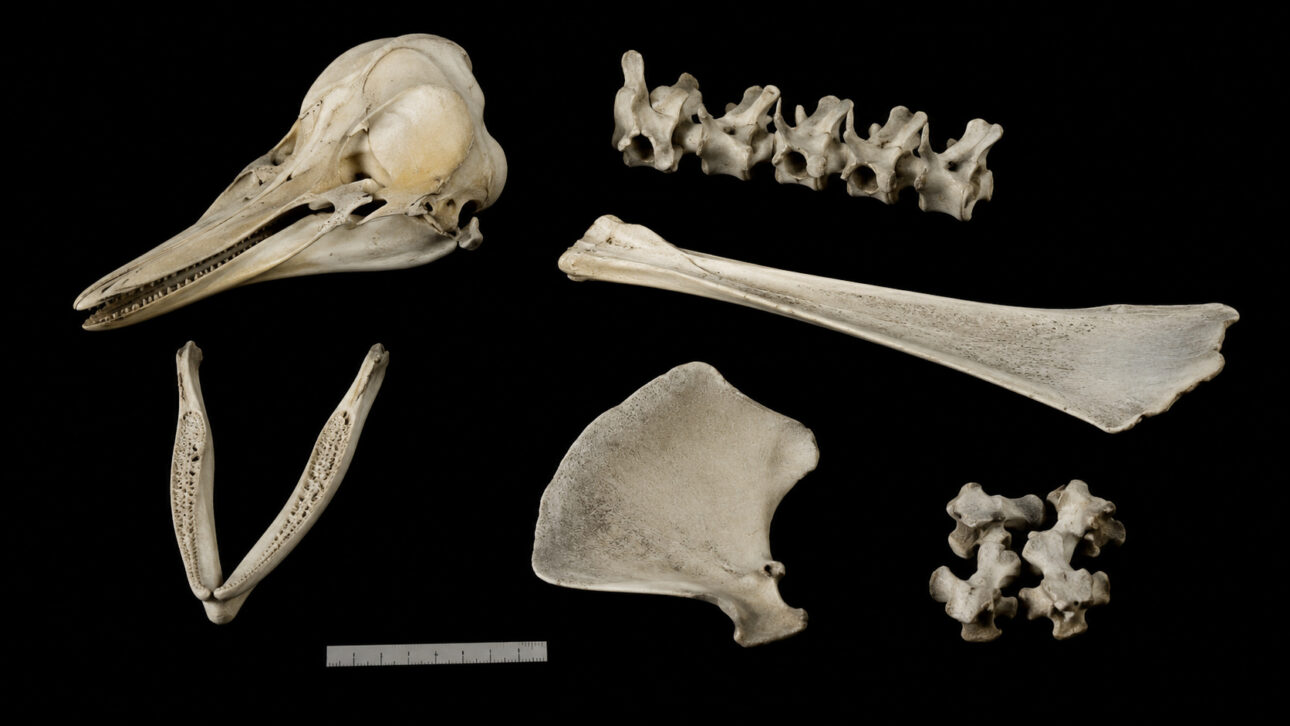
The material analyzed belongs to a female collected in 1966 and preserved in a museum since then. The digitization, therefore, ensures that the specimen can be studied without risk of damage to the original material.
Technical investigation reveals anatomical details in 3D
The vaquita’s skeleton first underwent conventional computed tomography. Then, individual bones were photographed and examined using microtomography techniques.
This step allowed for the revelation of microscopic anatomical structures, some smaller than the thickness of a human hair.
From thousands of images, researchers reconstructed highly detailed digital models of each bone.
In this way, scientists, educators, and students can observe the species’ anatomy from different angles without needing to handle the physical skeleton.
Vaquita lives only in the northern Gulf of California
The vaquita, scientifically named Phocoena sinus, is a small porpoise found exclusively in the northern Gulf of California, in Mexico.
The species measures about 1.5 meters in length and is considered the smallest cetacean in the world. This group includes whales, dolphins, and porpoises.
Visually, the vaquita stands out for its dark rings around the eyes and mouth, a characteristic that helps differentiate the species.
Science described the vaquita only in the second half of the 20th century. In the following decades, however, its population suffered a severe decline.

Illegal fishing threatens the species’ survival
The main threat to the vaquita is the fishing nets illegally used to catch the totoaba.
This fish is targeted by the international black market because of its swim bladder, sold for high prices.
During these illegal activities, many vaquitas end up accidentally caught in the nets and drown.
The risk is considered critical, as only a few individuals still survive in the wild.
Digital models expand access to science
The digital replicas created by researchers protect material considered rare, fragile, and scientifically valuable.
According to scientist Jamie Knaub, the study’s first author, the project combines advanced imaging technologies with open access data sharing.
The initiative also has strong educational value, as the models can serve as a basis for physical replicas intended for museums, schools, and science outreach programs.
All material was made available for free on the MorphoSource platform, an international repository dedicated to sharing 3D anatomical models.
Digital preservation keeps the scientific memory of the vaquita alive
Digitization represents more than a technological advance. The project preserves valuable information about a species that may disappear in the coming decades.
The continuation of illegal fishing remains one of the main risk factors for the vaquita.
For researchers, the 3D model offers a way to keep the anatomical knowledge of the species accessible, even in the face of the threat of extinction.
What do you think about the use of technology to preserve endangered species and expand access to scientific knowledge?


