






 Portuguese
  Spanish


The Jeep Renegade returns revamped, with a more angular body, turbocharged combustion engines, hybrid powertrains, and a high-density electric version. The model was discontinued in the United States in 2023 and seeks to rebuild the brand’s entry-level segment amidst the exodus of young consumers.
Stellantis is preparing the new generation of the Jeep Renegade with a focus on a specific audience: consumers looking for a compact SUV for less than 30 thousand dollars, a value close to R$ 150 thousand in direct conversion. In Brazil, this price range corresponds to the intermediate versions of models like the Volkswagen T-Cross and Nivus, two of the best-selling utility vehicles in the country.
The move marks the resumption of an entry-level strategy for the brand. According to MoparInsiders, a website specializing in Stellantis coverage, the SUV was discontinued in the United States in 2023, leaving a void precisely in the segment of young consumers who moved away from the brand due to the rising cost of new cars. The presentation of Jeep’s next steps is scheduled for May 21st.
Why Jeep decided to bring the Renegade back

The model’s return responds to a specific reading of the global market. The manufacturer identified a void in the SUV segment priced under 30 thousand dollars, an entry-level range for those buying their first sport utility vehicle.
-
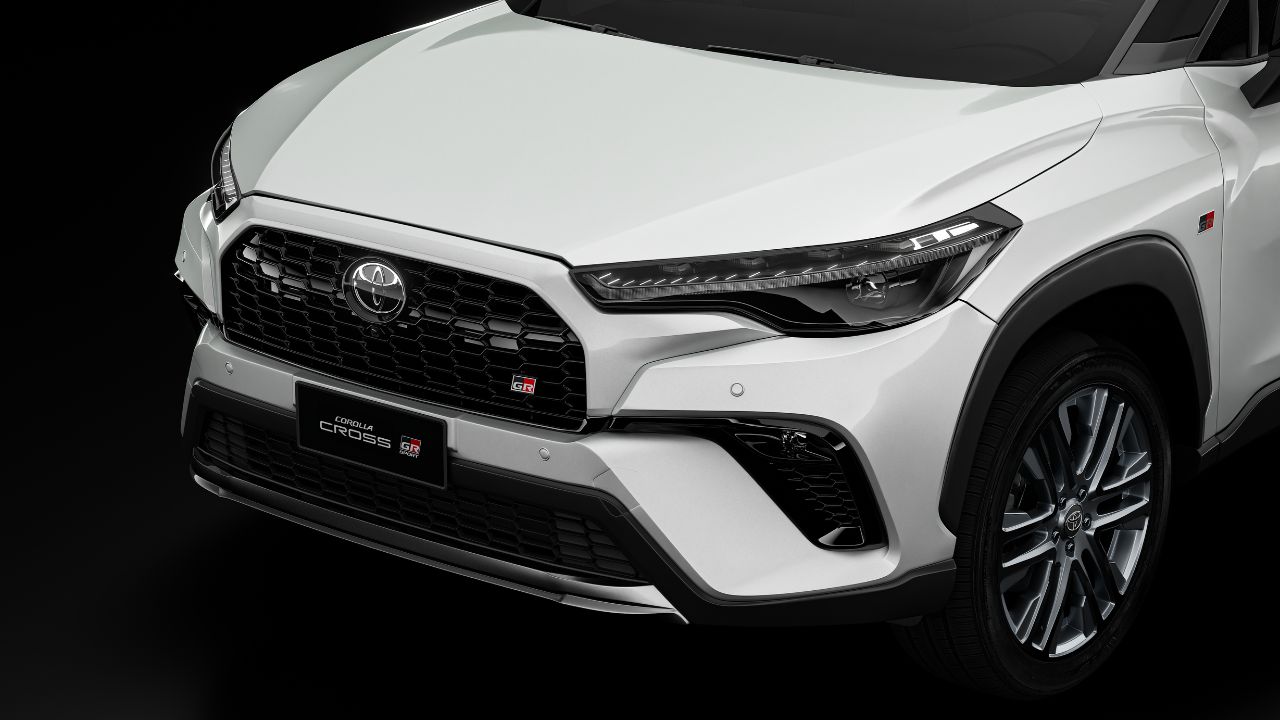
2027 Toyota Corolla Cross Unveiled: New Design, Enhanced Fuel Efficiency, Reduced Maintenance Costs, Advanced Technology, Connected Services, and Up to 10-Year Warranty

-
Fiat Cronos Precision 2018: Affordable Sedan with Spacious Trunk and Reliable Maintenance
-
Volkswagen to Cut Production by 1 Million Cars by 2030, Reducing Jobs and Platforms, Focusing on More Profitable Models

-
Toyota Launches First 100% Electric Car in Brazil: bZ4X with 343 HP, All-Wheel Drive, 361 km Range, Priced at $419,990 BRL, Limited to 99 Units



In the United States, Jeep does not sell the Avenger, a model that occupies this position in other markets. This means the American brand was left without an entry-level product in its home market, losing ground to competitors who maintained affordable options in their portfolio.
The bet is that the new Renegade will reclaim this segment. The reintroduction of the model also serves as a message to Stellantis investors, who are awaiting clear signals about Jeep’s future amid pressure for results.
Dimensions and more squared design of the new generation
The new design breaks with the rounded lines that characterized the current model. The new body adopts a more squared look, derived from Jeep’s own Recon electric SUV.
The change is not just aesthetic. The straighter geometry increases headroom in the rear seat and facilitates the perception of the body’s extremities during urban maneuvers.
In length, the next-generation Jeep Renegade will be 4.23 meters, according to MoparInsiders. This measurement positions the SUV between the Avenger, at 4.08 meters, and the Compass, at 4.55 meters, and is three centimeters shorter than the current Renegade.
What the interior and technology will be like
The new Renegade’s cabin will draw direct inspiration from another model in the lineup. The electronic architecture and dashboard structure will be shared with the new generation of the Jeep Compass, the larger sibling within the brand’s SUV category.
The setup promises integration between digital screens and physical controls. Essential climate control functions are expected to retain dedicated buttons, a trend many automakers are adopting after consumer criticism of excessive use of touchscreen menus.
The front of the vehicle, in turn, will feature a headlight arrangement derived from the Avenger. The combination of elements from different Jeep models creates a visual identity connected to the current portfolio, without repeating any of the siblings in the lineup.
Off-road capability remains on the agenda
Despite the focus on urban appeal and accessible pricing, the project maintained the off-road vocation that has always been a Jeep hallmark. The SUV will have short front and rear overhangs, characteristics that favor approach and departure angles over obstacles and ditches.
Ground clearance will be above the segment average, which allows for use on uneven terrain without compromising daily urban operation.
All-wheel drive will remain available in higher-end versions, including the Trailhawk configuration, aimed at those who use the vehicle on trails and unpaved roads.
Hybrid, Turbo, and Electric Powertrains
Jeep has abandoned its previous plan for a complete transition to electric vehicles. The new Renegade platform reflects this change in direction.
The SUV may feature turbo combustion engines, hybrid powertrains, and high-density batteries in its electric versions. This strategy aims to cater to markets at different stages of technology adoption, especially in regions where charging infrastructure is still limited.
In South America, the model’s future depends on updates at the Goiana factory in Pernambuco, Stellantis’ industrial hub in the country. The confirmation of powertrain options for the Brazilian market is expected to be announced after the global launch.
Standard Safety Package with Technology
The technological aspect will also be evident in the safety package. The new Jeep Renegade will feature advanced driver-assistance systems (ADAS) as standard, an item that has become a standard in the compact SUV category.
Confirmed features include autonomous emergency braking and adaptive cruise control, two items that rank among the most requested by consumers in recent automotive industry surveys.
The presence of these systems across all versions reinforces the model’s positioning as a direct competitor to utility vehicles that already offer the complete package in their intermediate versions, such as Asian and European rivals competing in the segment.
Competition in Brazil and Price Impact
In Brazil, the price range near R$ 150,000 is one of the most competitive among consumers. It is in this range that the intermediate versions of Volkswagen T-Cross and Nivus, two of the country’s best-selling urban SUVs, are found.
The entry of a revamped Jeep Renegade into this segment could rearrange the game. The brand has a strong emotional appeal in the Brazilian market, with a loyal customer base and an adventurous identity associated with its name.
If Stellantis confirms production in Goiana and maintains a price positioning close to the American one, the new SUV should pressure direct competitors and force adjustments across the entire category.
The return of the restyled Renegade, with hybrid powertrains and a more squared-off look, puts Jeep back in the running for consumers seeking their first SUV. The chosen price range and multi-powertrain strategy show a brand that has learned from previous experience and is now betting on diversity to regain market share.
What do you think of these changes? Do you believe the new, more squared-off design matches Jeep’s identity? Would you buy a hybrid version of the Renegade or do you prefer the traditional combustion engine? Leave your comment, share your opinion, and tag someone who is thinking of changing cars.








