Portuguese
  Spanish


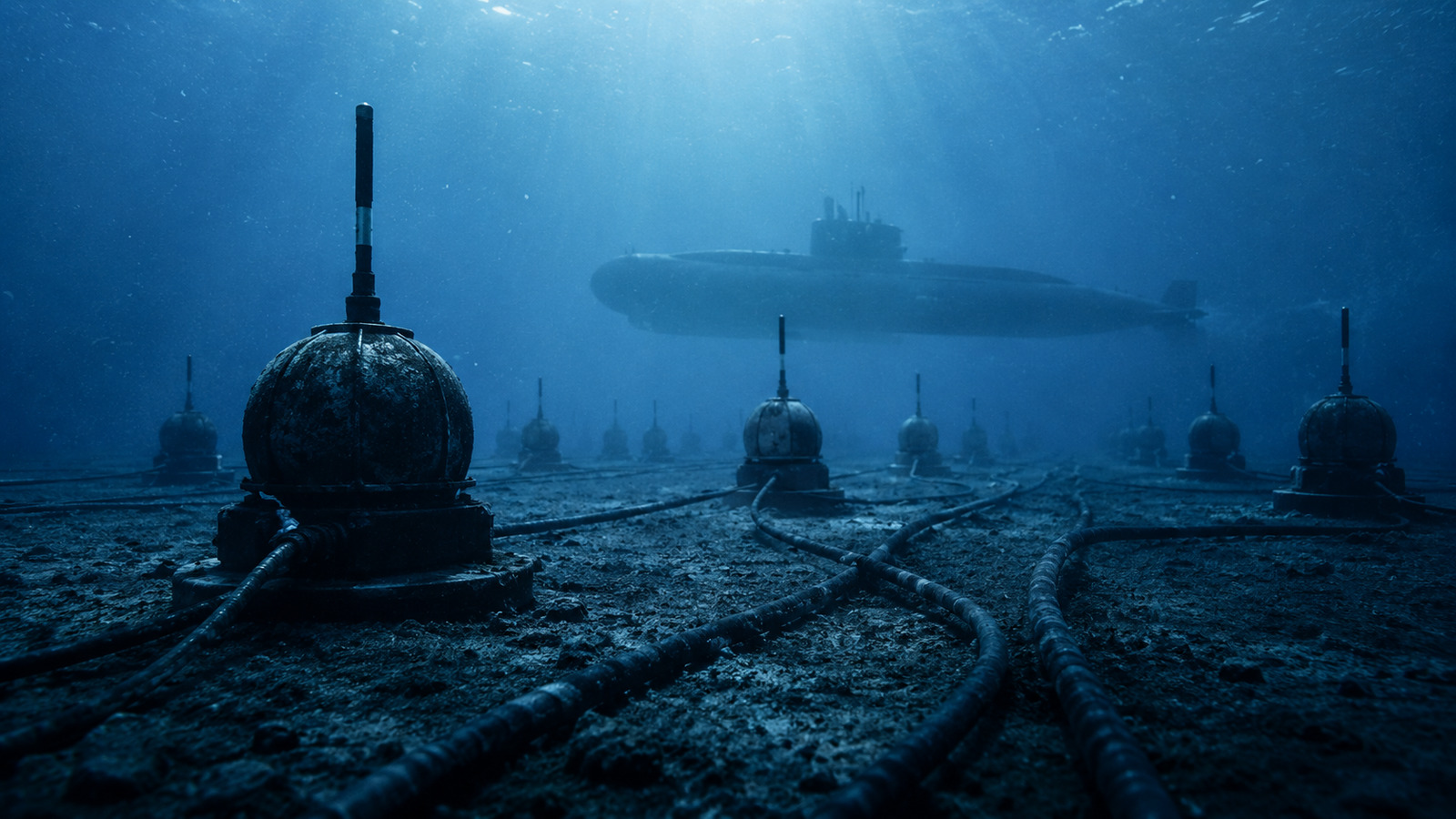

Created from a technique to locate shipwrecked people, the SOSUS became a secret underwater listening network, tracked Soviet vessels, was compromised by espionage, and later gained scientific applications in the oceans
SOSUS was born from a technique created to locate shipwrecked people but was transformed by the United States Navy into a secret network capable of detecting Soviet submarines hundreds of kilometers away. Spread across the Atlantic and Pacific, the system mobilized thousands of military personnel before being revealed to Moscow by a spy network.


SOSUS utilized a natural channel that carries sounds over long distances
The origin of the SOund SUrveillance System lies in the SOFAR channel, an oceanic layer where low-frequency sounds can travel hundreds of kilometers, as if inside a tube.
Near the end of World War II, the American Navy planned to use this phenomenon to save survivors of downed planes or sunken ships. The shipwrecked person would release an explosive charge calibrated to detonate within the channel.
-
7-Year-Old Girl Rejects Lollipop, Questions Sugar’s Impact on Teeth, and Launches Sugar-Free Brand Now in 25,000 U.S. Stores

-
Scientists Find Regular Activity Can Mitigate Alzheimer’s Impact, Even in Genetically High-Risk Individuals, Offering Strong Evidence for Cognitive Protection and Healthy Aging

-
Exploring Nazareth: Uncovering the Historical Setting of the Annunciation, Not Proving a Biblical Miracle
-
Former Student Returns to Teach Over 100 Children in São Paulo How PET Bottles Can Help Protect the Oceans


The signal would be picked up by coastal stations. By comparing the times the sound reached different points, teams could triangulate the position of those needing rescue.
At the start of the Cold War, scientist Frederick Hunt proposed reversing the logic. Instead of locating someone who wanted to be found, the channel could reveal submarines trying to remain hidden.
In 1950, the Office of Naval Research contracted AT&T and Western Electric to develop the technology.
The effort was initially codenamed Project Jezebel. The secret system was called SOSUS and, publicly, Project Caesar.

Secret network of hydrophones began monitoring the ocean floor
The first full-size prototype was installed in January 1952, near Eleuthera Island, in the Bahamas. The array was about 300 meters long, gathered 40 hydrophones, and was approximately 440 meters below the surface.
After detecting an American submarine used in tests, the technology was expanded along the east coast of the United States. Two years later, the network also reached the west coast and Hawaii.
The hydrophones were connected by cables to Naval Facilities, known as NAVFACs. Since the first cables reached approximately 240 kilometers, the bases needed to be close to areas where the continental shelf ended.
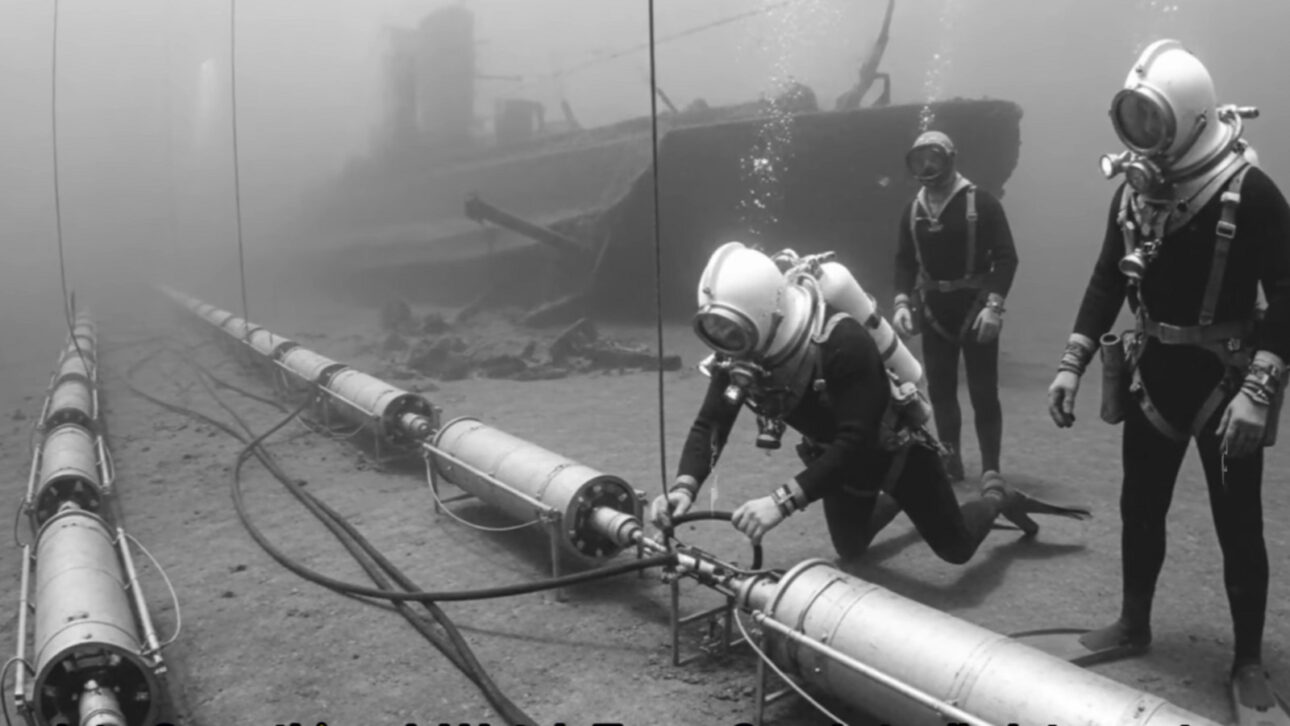
To interpret the captured noises, AT&T adapted equipment created to analyze human speech. LOFAR instruments emerged, capable of decomposing the low sounds of the ocean and presenting the recorded frequencies.
Machines and propellers produced their own acoustic signature. It appeared in the so-called LOFAR-grams, continuously monitored by operators who tried to identify and track the movement of submarines under the waters.
The sensitivity also revealed natural sounds. A noise initially nicknamed “Jezebel Monster” was later identified as vocalizations of blue whales and fin whales captured at great distances.
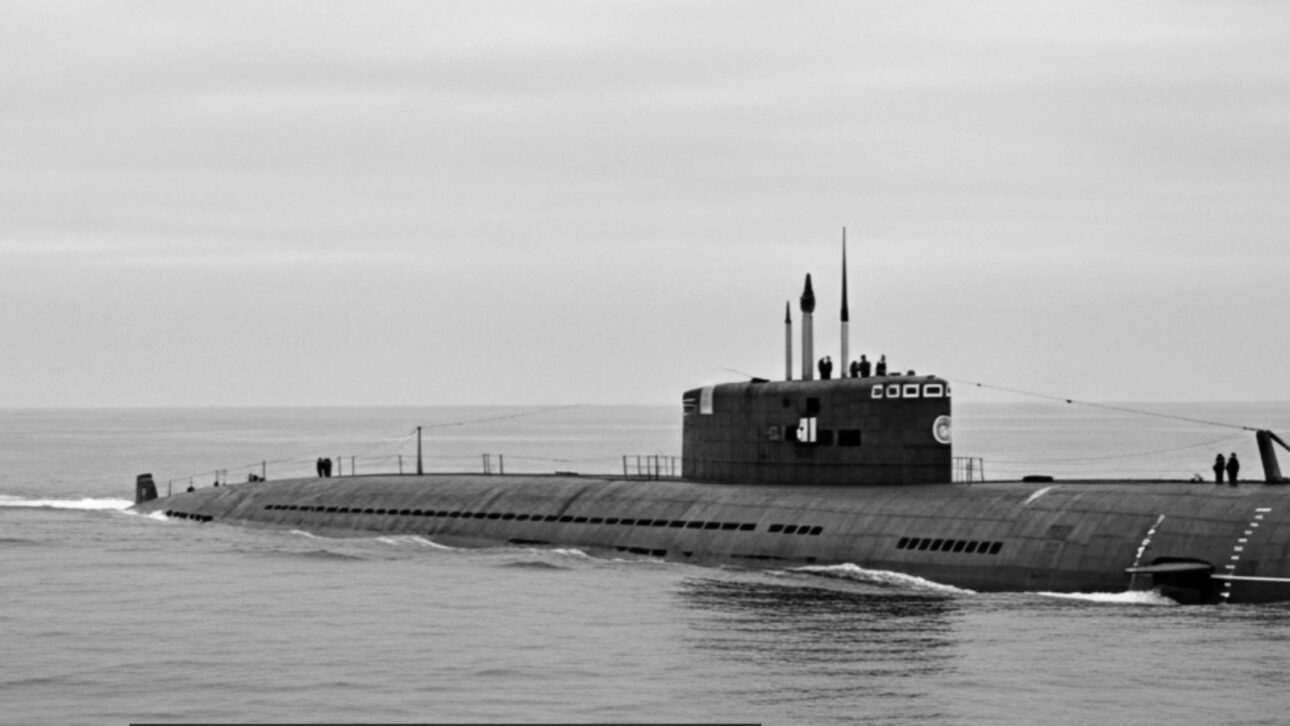
System gathered 20 facilities and 3,500 military personnel
With the increase of Soviet movement in the North Atlantic, SOSUS advanced to Iceland and Wales.
By the mid-1970s, it gathered 20 NAVFACs, two Ocean Systems commands, and approximately 3,500 military personnel.
In the 1980s, more advanced cables allowed sensors to be installed further from the coastal bases. Part of the Atlantic and Caribbean operations was concentrated in an Ocean Processing Naval Facility in Dam Neck.
The fixed network began working with ships equipped with SURTASS, a towed sensor system over 2,400 meters long. The set was named the Integrated Undersea Surveillance System, the IUSS.
At the end of the 1980s, the IUSS had 11 NAVFACs or processing centers, 14 SURTASS ships, two ocean commands, and about 4,000 people.
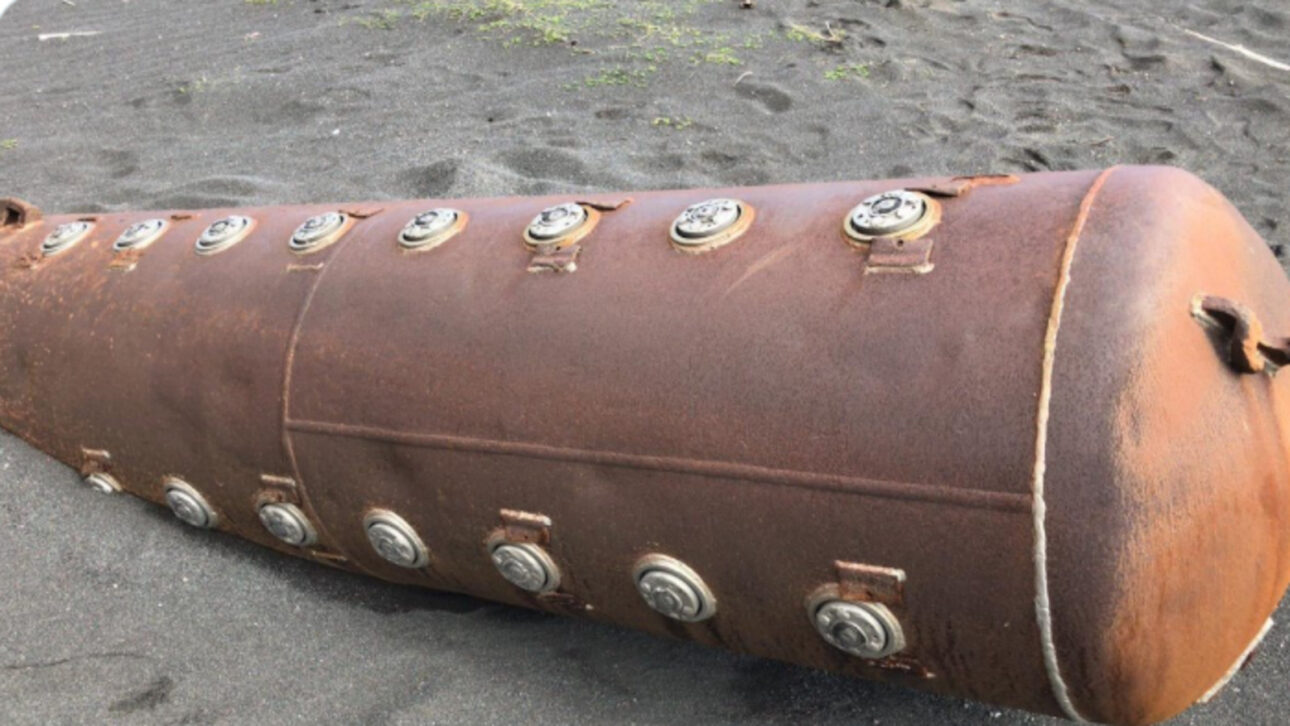
Soviet espionage reduced the acoustic advantage of the United States
The main advantage of SOSUS was secrecy. This advantage was compromised by the information sold to the Soviet Union by the Walker-Whitworth espionage network.
John Walker, a U.S. Navy petty officer specializing in submarine communications, delivered naval messages to Moscow between 1968 and his arrest in 1985. Jerry Whitworth, also a communications specialist, was recruited to assist him.
After learning about the American tracking capability, the Soviet Navy intensified efforts to make its submarines quieter.
By the end of the Cold War, the passive detection of Soviet nuclear vessels had lost a significant part of its efficiency.
With the end of the conflict and technological advances, the structure diminished. By 2010, there were two processing facilities, five SURTASS ships, one command, and about a thousand military personnel remaining.
The network, however, also began to serve science. Its sensors were used in the study of ocean currents, earthquakes and underwater eruptions, marine mammal vocalizations, and temperature variations in the oceans.
This article was prepared based on the information provided about SOSUS, with data, numbers, and statements preserved as per the consulted content.