Portuguese
  Spanish


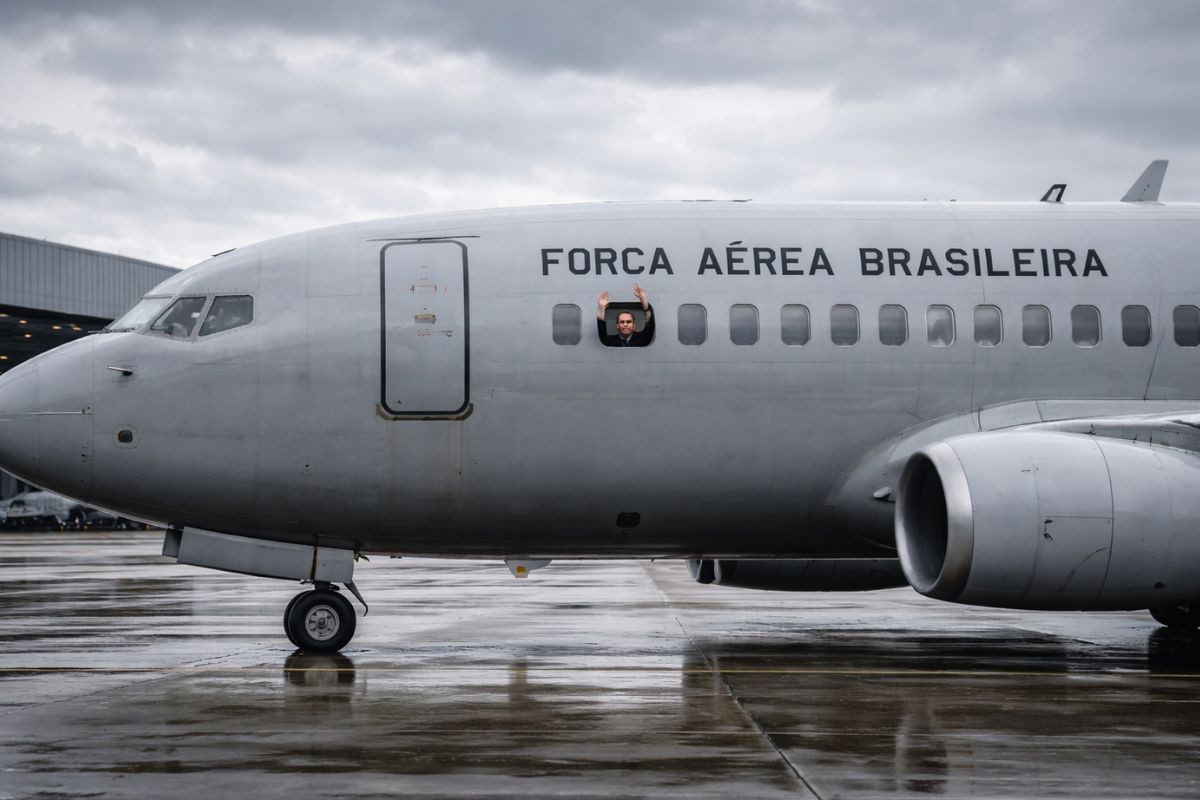

The TCU identified that the FAB operated 111 flights with only one occupant and another 1.5 thousand with up to five people between 2020 and 2024, calculated waste of R$ 36.1 million, and determined that the Civil House should take immediate measures to reformulate the rules for official air transport, whose seats were 45% empty on average during the period.
The Federal Court of Accounts made public a report that exposes the waste in FAB flights used to transport federal authorities across Brazil. The audit, which covered the period from 2020 to 2024, recorded 111 takeoffs where a single occupant boarded aircraft designed for dozens of seats, in addition to 1.5 thousand missions in which the total number of passengers did not exceed five. The average occupancy of official seats over these five years stood at 55%, meaning that almost half of the available capacity traveled empty on each flight. The TCU calculated that the federal government could have saved R$ 36.1 million if the authorities of the Three Powers had used regular airlines.
In light of the numbers, the court issued a direct order to the Civil House to develop concrete measures to restructure the rules governing access to the FAB fleet. The auditors considered the management of these displacements inefficient and pointed out clear evidence of mismanagement of public resources. The investigation found that the Air Force Command does not have a mechanism to verify whether transport requests meet legal criteria, allowing authorities from any sphere to board without providing justification.
Why did FAB planes take off so many times almost empty

The TCU’s diagnosis points to a flaw that goes beyond the isolated episode: it is a systemic deficiency in control over who can use the official fleet. The FAB operates aircraft with capacities ranging from 8 to 50 seats, including models with 12, 16, 30, and 36 seats, and even the smallest jets repeatedly took off with minimal occupancy during the audited period. Mobilizing crew, fuel, and maintenance logistics to transport a single person represents an operational cost that the report classifies as avoidable.
-
Has the charge for sitting together ended? Anac confirms that minors under 16 have the right to a seat next to their guardians without an extra fee, and airlines may be penalized for failing to comply with the new rule.

-
After nearly two decades in operation, the Grupo Dass shoe factory ends production, confirms 150 layoffs, and shows how the drop in orders changed everything.

-
Pizza Day highlights a curious contrast in Brazil: while 13 new pizzerias open every day, the price of mozzarella skyrockets, and the country’s most beloved dish weighs increasingly on family budgets.
-
It’s official: Petrobras takes 75% of block 3 in São Tomé and Príncipe and debuts as an offshore operator outside South America.


The 1,500 flights with up to five passengers expand the dimension of the problem. When more than half of the seats on each mission of the FAB travel empty, public money finances idleness in the air, and the comparison with the price of commercial tickets for the same routes shows that the cheaper alternative was available in most cases.
The absence of filters that allows waste in the FAB
The most critical point revealed by the TCU is that the Air Force Command only executes the flights without questioning the real necessity of each request. There is no prior screening to evaluate whether those requesting the FAB aircraft meet the requirements set forth in the decree regulating this type of transport. Any authority from the Three Powers can request a military jet without needing to demonstrate why a commercial flight would not resolve the issue.
The majority of the records examined by the auditors did not provide concrete justification for the activation of an exclusive aircraft. This loophole transformed the FAB fleet into a tool of personal convenience for those with access to the system, without distinction between legitimate urgency and simple preference to avoid commercial airports. The TCU considers this dynamic incompatible with the principles that should guide public spending.
The R$ 36 million that the Civil House will have to explain
The figure calculated by the court represents the difference between the operational cost of FAB flights and the amount that would have been spent on regular airline tickets for the same trips. The TCU set R$ 36.1 million as the amount of waste accumulated between 2020 and 2024, considering only cases where the substitution for a commercial flight would be viable. Situations involving destinations without airline coverage or proven urgency were excluded from the calculation.
The Civil House received the directive to present a plan that establishes objective criteria for economy and convenience to authorize each mission. The court requires that no FAB flight takes off without prior verification that military transport is, in fact, the only possible alternative. The expectation is that the Executive will implement rules regarding who can request, under what circumstances, and with what minimum occupancy level, ending the cycle of practically empty takeoffs.
What the TCU report says about the use of public money in Brazil
The 111 flights with a single passenger and the 1,500 with up to five occupants are more than just a statistic about the FAB. They represent a spending pattern that remained invisible for at least five years without any internal control mechanism being activated to interrupt it. The requests come from authorities of the Three Powers, and the entire chain that processes these requests operated without brakes throughout the audited period.
The TCU has done its part by measuring the waste and formalizing the charge with the Civil House. Now, it is up to the government to turn the report into rules that prevent the repetition of this pattern and ensure that the FAB fleet serves the public interest, not the individual comfort of those with privileged access to it. The taxpayer, who pays for every liter of fuel for these aircraft, gains another tool to demand transparency about how their money is used in the transportation of authorities.
And you, do you find it acceptable that FAB planes take off with one passenger while the country discusses budget cuts? Who should be held accountable for this waste? Leave your opinion in the comments.