Portuguese
  Spanish


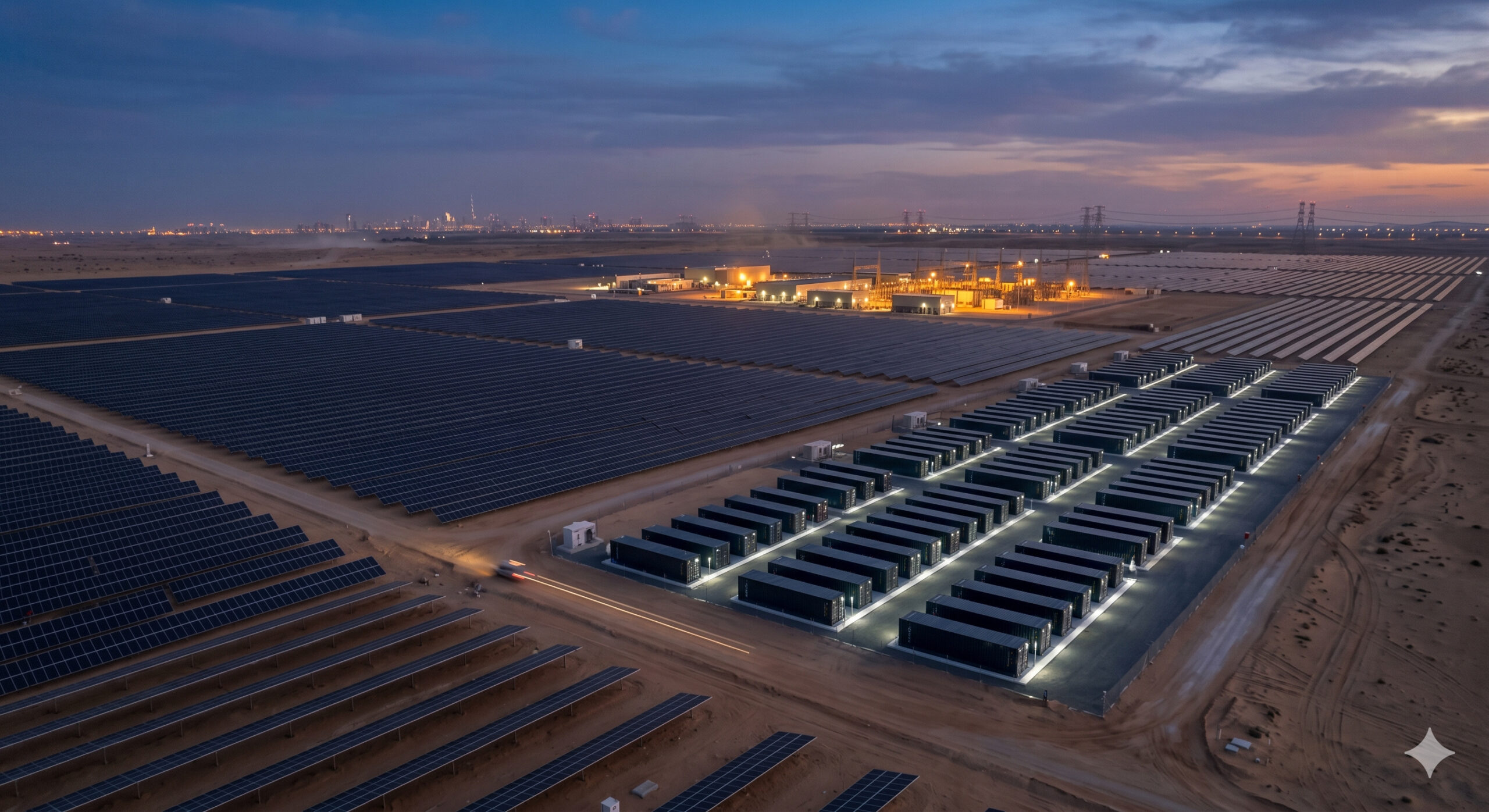

Project in the United Arab Emirates promises to generate 1 GW continuous clean energy with 5.2 GW solar and 19 GWh in batteries, challenging renewable limits.
In 2025, the state-owned Masdar, from the United Arab Emirates, announced one of the most ambitious projects ever presented in the renewable energy sector: a plant in Abu Dhabi designed to deliver 1 gigawatt of clean energy continuously, 24 hours a day. In a report published by Reuters on January 14, 2025, the initiative was presented as a direct attempt to tackle one of the biggest bottlenecks of renewable sources: intermittency.
The project combines about 5 GW of solar generation with 19 GWh of battery storage, a volume that Masdar reported on January 14, 2025 as 5.2 GW in direct current and 19 GWh in battery system, with the proposal to transform solar energy into firm supply throughout the day. The scale of the initiative shows why it has come to be treated as one of the boldest bets in the sector to reduce dependence on conventional dispatchable sources.
Combination between solar generation and massive storage changes the logic of renewable energy
The project’s proposal is based on a fundamental technical principle: to produce more energy than needed during the day and store the excess for nighttime use.
-
Fired during apartheid and with a little borrowed money, an electrician started with a borrowed truck and transformed electrical services into a group connected to energy, real estate, and infrastructure in South Africa.

-
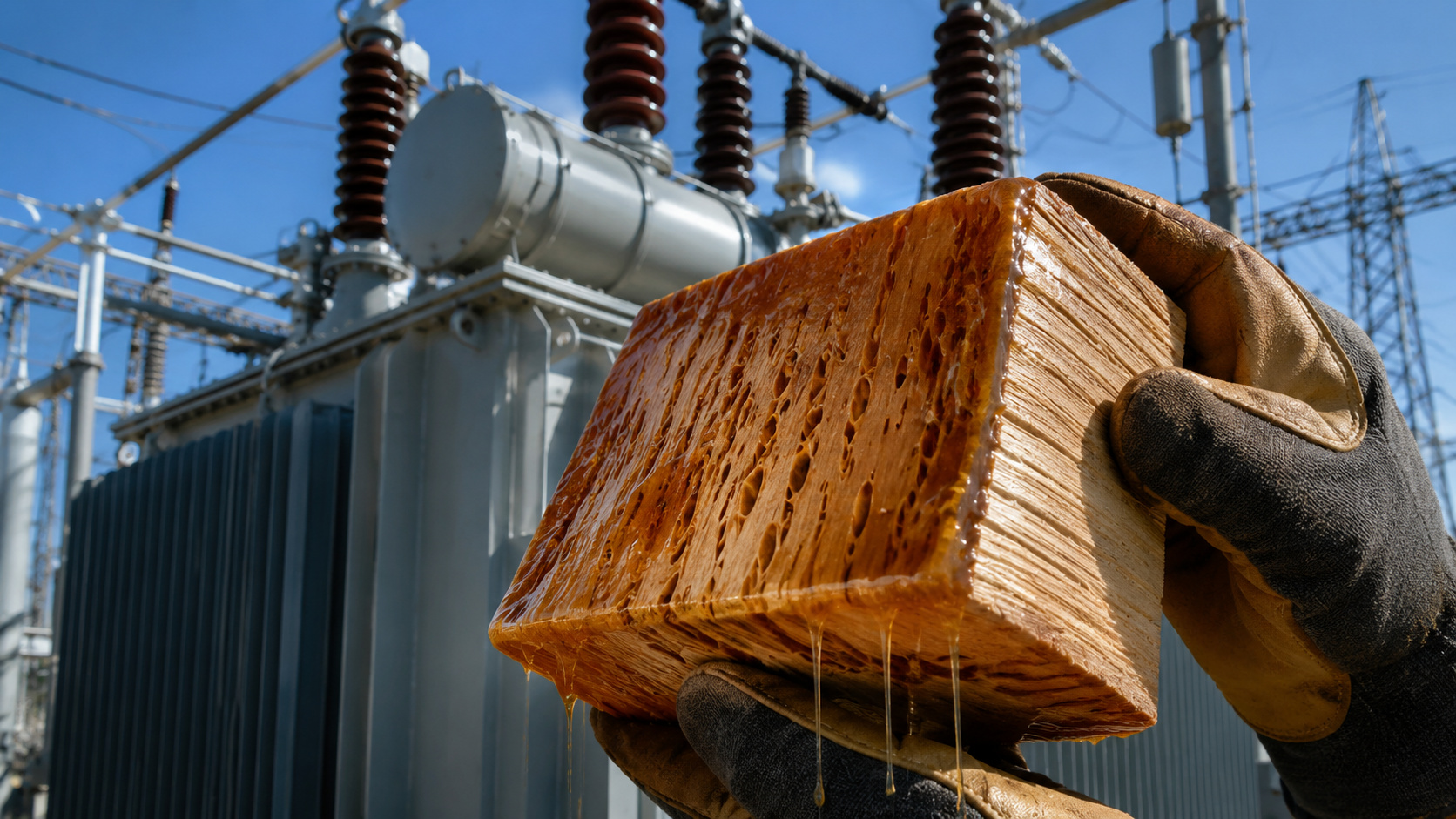
Wood has ceased to be just a construction material in Yale research and has become insulation for electrical transformers that face intense heat, aging, and increasing pressure from the renewable energy-powered grid.
-
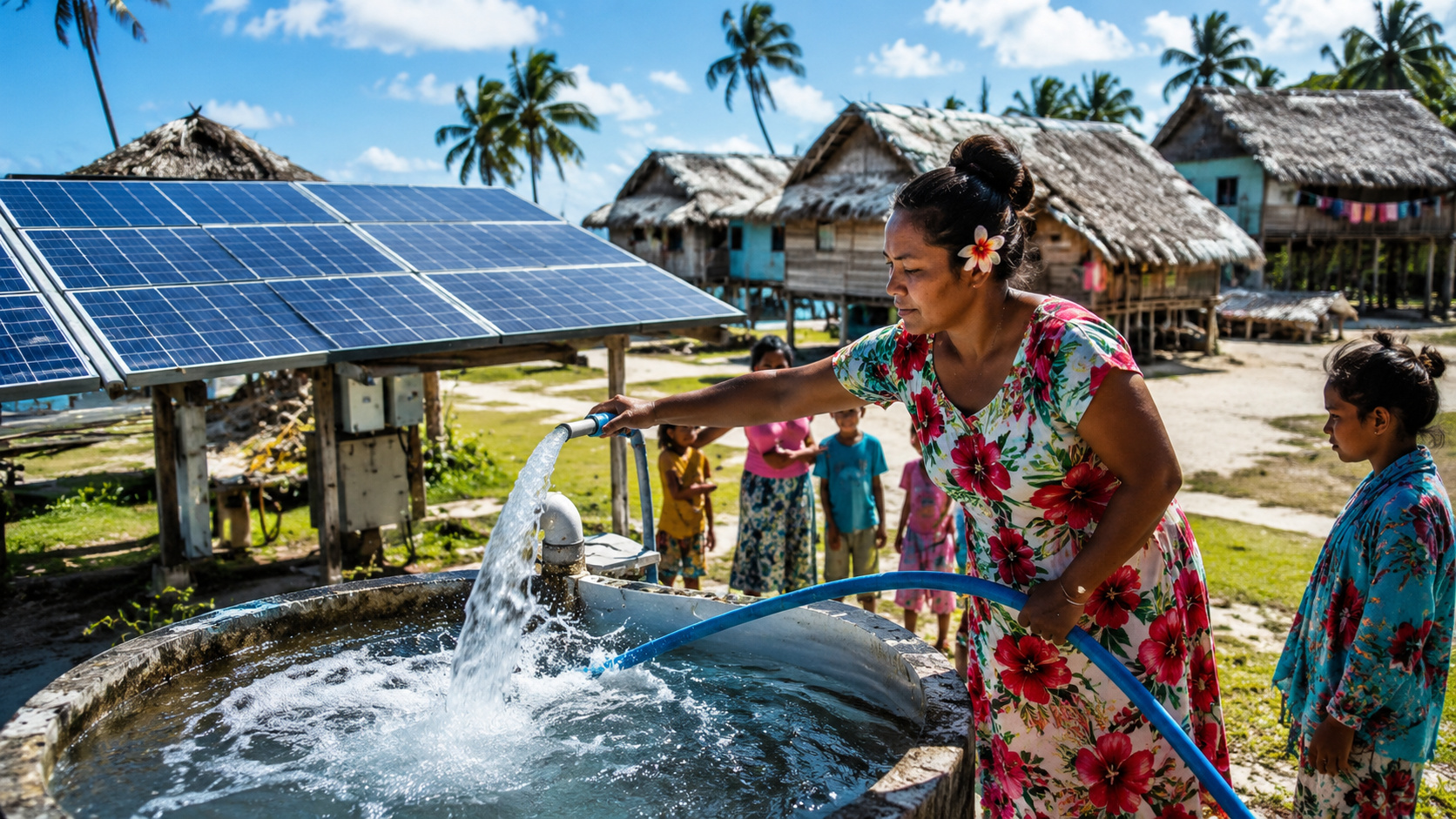
More than 1,000 residents of a remote island in Kiribati now have clean water and electricity with solar systems operated by the community itself.
-
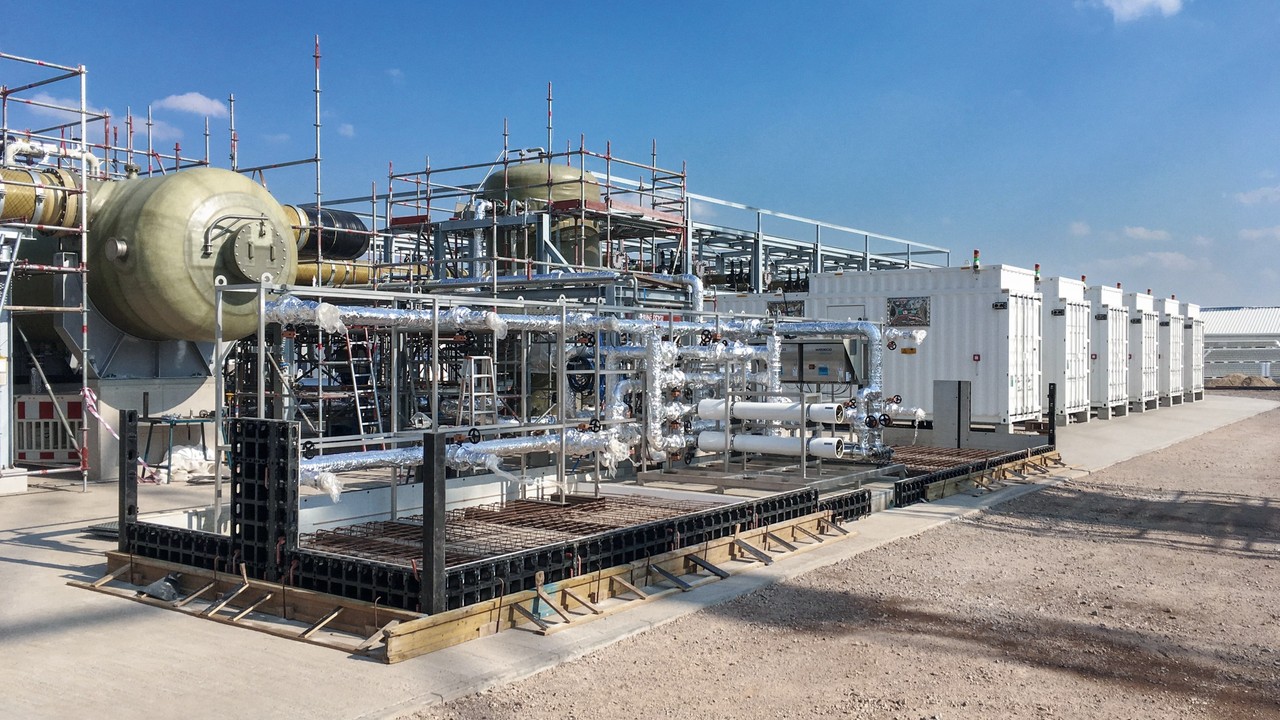
Ceará brings together 7 giants and R$ 66 billion to transform Pecém into the largest green hydrogen hub in Brazil, with final decisions expected by the end of 2026.

During peak sunlight hours, the panels generate energy in high volume. Part of this energy is consumed immediately, while the remainder is directed to battery storage systems.

At night, when solar generation is nonexistent, the stored energy is released in a controlled manner, ensuring continuity of supply.
This architecture transforms a naturally intermittent source into a dispatchable source, bringing the behavior of solar energy closer to that of traditional plants, such as thermal or nuclear.
Capacity of 1 GW continuous places the project among the largest in the world
The goal of delivering 1 GW continuous of clean energy is significant. For comparison, 1 GW is enough to power:
- Hundreds of thousands of homes
- Large urban centers
- High-demand industrial complexes
The difference, however, lies not only in capacity but in the continuity of supply. Few projects in the world have managed to combine renewable generation with storage at a scale sufficient to ensure uninterrupted delivery at this level.
This places the initiative among the most advanced in the global energy sector.
19 GWh Battery System Represents One of the Largest Ever Planned
The project plans to install approximately 19 GWh of storage capacity, an extremely high volume even by international standards.
This battery system is essential for:
- Absorbing excess solar generation
- Ensuring supply during the night
- Stabilizing the electrical grid
The scale of storage is what makes the promise of continuous energy possible, something that smaller projects cannot sustain.
Moreover, the use of batteries allows for a quick response to demand variations, increasing the system’s flexibility.
5.2 GW of Solar Energy Support the Base of the System
To power the storage system and ensure continuous supply, the project will feature about 5.2 GW of installed solar energy capacity.
This number is significantly higher than the final delivery of 1 GW, precisely to compensate for:
- Storage losses
- Variations in generation throughout the day
- System efficiency
Overproduction during the day is a strategic element, allowing for the accumulation of enough energy to maintain supply during periods without generation. This logic is central to transforming solar energy into a reliable source.
Project Aims to Solve the Main Challenge of Renewables: Intermittency
Historically, one of the biggest obstacles to the expansion of renewable energy has been intermittency.
Sources like solar and wind depend on natural conditions, making constant supply difficult. This has led many countries to maintain thermal power plants as backup.
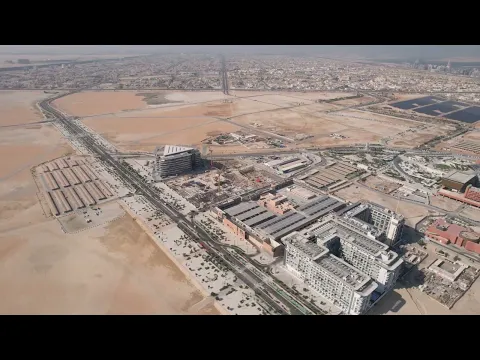
The UAE project aims to eliminate this dependency, offering a renewable alternative capable of operating continuously.
If successful, the model can be replicated in other regions of the world.
UAE Expands Strategy for Leadership in Global Energy
Traditionally associated with oil production, the UAE has been increasing investments in renewable energy. Masdar, the company responsible for the project, is already operating in various countries with clean energy projects.
With this initiative, the country seeks to:
- Diversify its energy matrix
- Reduce carbon emissions
- Consolidate leadership in energy technologies
The project represents a long-term strategic shift, positioning the UAE as a key player in the clean energy sector as well.
Global Impact May Accelerate Adoption of Hybrid Systems
If the model proves viable on a large scale, it could directly influence the future of energy generation.
Countries currently facing challenges with intermittency may adopt similar systems, combining:
- Renewable generation
- Large-scale storage
- Intelligent energy management
This could accelerate the global energy transition, reducing dependence on fossil fuels. Additionally, projects of this type can attract investments and drive technological innovation.
Technical and Economic Challenges Still Remain
Despite the potential, the project faces significant challenges. Among them: High initial implementation costs, the need for battery system maintenance, and energy efficiency over time.
Success will depend on the ability to balance cost and performance, especially in comparison to traditional energy sources.
Furthermore, the durability of batteries and the environmental impact of their production are points that continue to be debated.
Project redefines the concept of renewable energy on an industrial scale
By proposing continuous supply, the project goes beyond the traditional idea of renewable energy as a supplement. It seeks to transform these sources into the main base of the energy matrix.
This paradigm shift can redefine the role of renewables in the global system, elevating their importance and reliability. The combination of scale, technology, and strategy places the project among the most relevant in the sector.