Portuguese
  Spanish


The escalation of the war in the Middle East halted Brazil’s export flow to the region and generated losses of US$ 882 million in March, with declines of 59% in pork and 25% in soy. Brazilian agriculture accelerates the search for alternative markets such as Turkey, Vietnam, and Singapore to contain the damage to the trade balance before the deficit widens.
The Brazil has just accounted for the extent of the damage that the war in the Middle East is causing to its exports. In March, shipments of meats and soy to the region were 30% below those recorded in the same month of 2025, a decline that international economics specialist and ESPM professor, Cristiane Mancini, classified as “quite significant.” The numbers are concrete: pork plummeted 59%, soy fell 25%, and chicken meat also followed the decline, evidencing that the conflict affects not just one product, but the entire export chain of the Brazilian agribusiness.
The impact goes beyond the lost volumes. The conflict has affected strategic logistical routes, raised freight costs, and increased commercial insecurity, with direct repercussions on products such as coffee, corn, and sugar, markets in which countries from the Middle East play a significant role as destinations for Brazilian sales. For Brazil, which depends on partners like Iran, Saudi Arabia, and Lebanon to export a significant portion of its protein and grain production, the continuation of the conflict represents a risk that could more than double the losses in the coming months.
Which Brazilian products have lost the most from the war in the Middle East

According to information released by the CNN Brasil, pork leads the loss ranking with a 59% drop in shipments to the region in March. The decline is the most pronounced among all categories analyzed and reflects both the interruption of routes and the increase in logistical costs that make commercial operations in areas close to conflict zones unfeasible. Soy, Brazil’s main agricultural commodity, recorded a retraction of 25%, while chicken meat also suffered a significant impact. Together, the declines in pork, soy, and chicken represent the worst monthly performance of Brazilian agribusiness for the region in recent years.
-
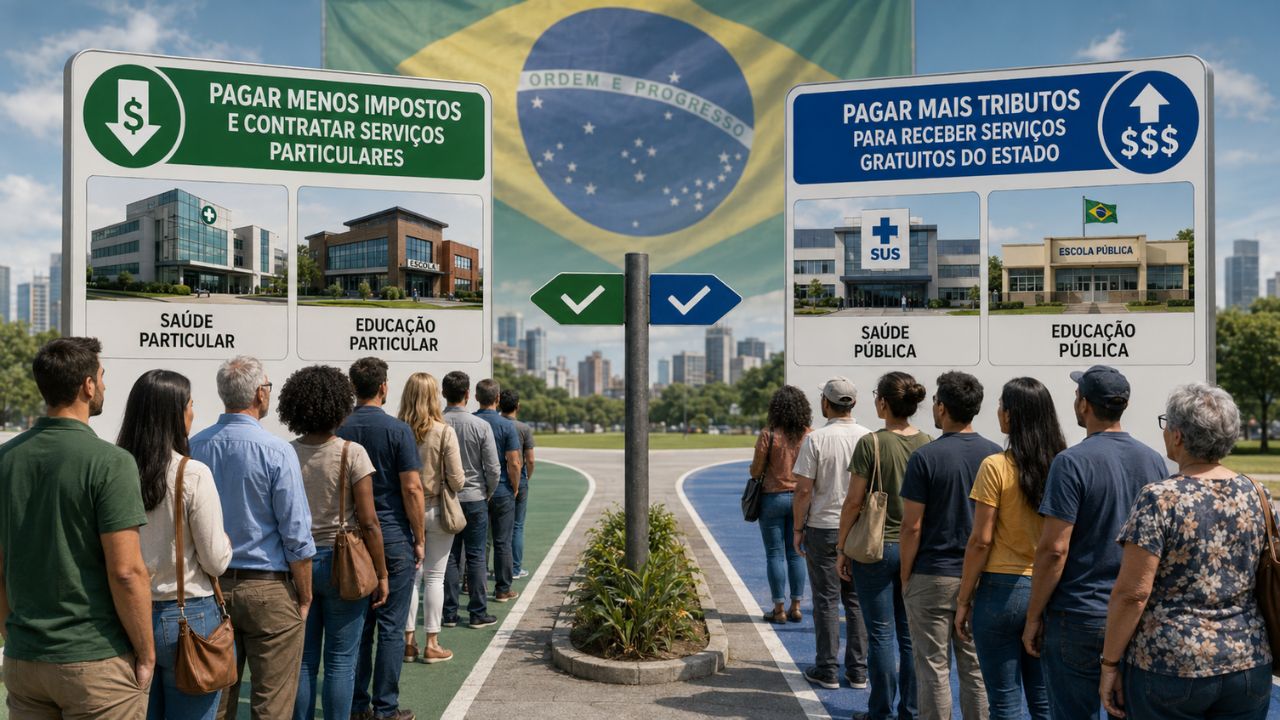
Half of Brazilians Prefer Lower Taxes with Private Health and Education, While 44% Opt for Higher Taxes for State-Provided Services, Datafolha Survey Reveals

-
Brazil’s Most Expensive Toll Rises to R$ 40.60 on Route from São Paulo to the Coast, Nearly Matching Bus Fare to Santos

-
As Brazil Expands Social Welfare, Survey Reveals 40% Blame Poverty on Laziness, While 58% Cite Lack of Opportunities

-
China Tightens Control on Antimony, Driving Prices from $22,000 to Nearly $40,000 per Ton as U.S. Rushes to Bolster Strategic Reserves



Other strategic products of the Brazilian agribusiness are being indirectly affected. Coffee, corn, and sugar are facing increasing difficulties in reaching buyers in the Middle East, and the rising cost of cargo insurance adds another layer of pressure on exporters’ margins. According to Mancini, insurers have begun to reassess coverage and costs for shipments on sensitive routes, which increases the cost of each operation and reduces the competitiveness of Brazilian products compared to competitors that do not rely on these same routes.
How Turkey Became a Key Piece to Save Brazilian Exports
In light of the increased risk in the region, Brazil has accelerated the search for logistical and commercial alternatives to maintain the flow of exports. Turkey has emerged as the main solution found so far, taking on the role of a regional hub by creating storage mechanisms and facilitating the transit of Brazilian goods amid geopolitical uncertainties.
This movement was made possible after Brazil obtained sanitary certifications that allow for the expansion of shipments of proteins and grains to the Turkish market. Turkey’s role has been central to sustaining the export flow amid the crisis, offering storage infrastructure and logistical security that other destinations in the region cannot guarantee at the moment. For industry players, the Turkish partnership is not just a temporary alternative, but a strategic repositioning that could solidify even after the end of the conflict.
Vietnam and Singapore Enter the Radar of Brazilian Agribusiness
Diversification is not limited to Turkey. Among the 548 destinations served by the national agribusiness, Asian countries like Vietnam and Singapore have been gaining relevance in recent months. The increase in exports to these markets is part of a clear risk mitigation strategy, reducing dependence on traditional partners in the Middle East that have become unstable due to the conflict.
Vietnam shows a growing demand for animal proteins and grains, while Singapore serves as a gateway to the Southeast Asian market. For Brazil, expanding its presence in these destinations means not only compensating for current losses but also building a more resilient export base to future geopolitical shocks. The speed with which the Brazilian agribusiness can redirect its shipments will determine the extent of the final impact on the trade balance in 2026.
What is at Stake if the War Continues and Losses Double
The most concerning scenario for Brazil is the prolongation of the conflict without market diversification being able to absorb the volume that has stopped being shipped to the Middle East. If the losses of $882 million in a single month are repeated or increased, the accumulated impact over the year could seriously compromise the performance of agribusiness exports, a sector that accounts for a significant portion of Brazil’s trade surplus.
The reconfiguration of routes and commercial strategy requires time and investment. Obtaining sanitary certifications, establishing reliable business relationships, and building logistical infrastructure in new destinations does not happen overnight. In the meantime, each month of conflict in the Middle East represents another cycle of exports that fail to leave Brazil, putting pressure on producers, slaughterhouses, and trading companies that depend on these markets to maintain the profitability of their operations.
Do you think Brazil is acting quickly enough to diversify its export markets, or will dependence on the Middle East cost even more? Leave your opinion in the comments, we want to know how you see the impact of the war on Brazilian agribusiness.