Portuguese
  Spanish




Research by Embrapa indicates that the plant Sesbania can boost soil recovery, reduce costs in agriculture, and transform degraded areas with sustainable and innovative solutions.
The search for sustainable solutions in Brazilian agriculture has gained momentum with research from Embrapa, which has been pointing to promising paths for soil recovery. According to a publication from the organization on April 14, among the most studied alternatives is the plant Sesbania, a legume that has attracted attention for its potential to transform degraded areas into productive environments.
In practice, it is a plant that recovers soil with the ability to improve fertility, increase organic matter, and even help reduce contaminants. This set of benefits has a direct impact on agriculture, especially in a scenario of high costs for agricultural inputs.
The initial results are already noteworthy: crops cultivated after the use of Sesbania show better performance, indicating that the technology could become an important ally for producers seeking efficiency and sustainability.
-
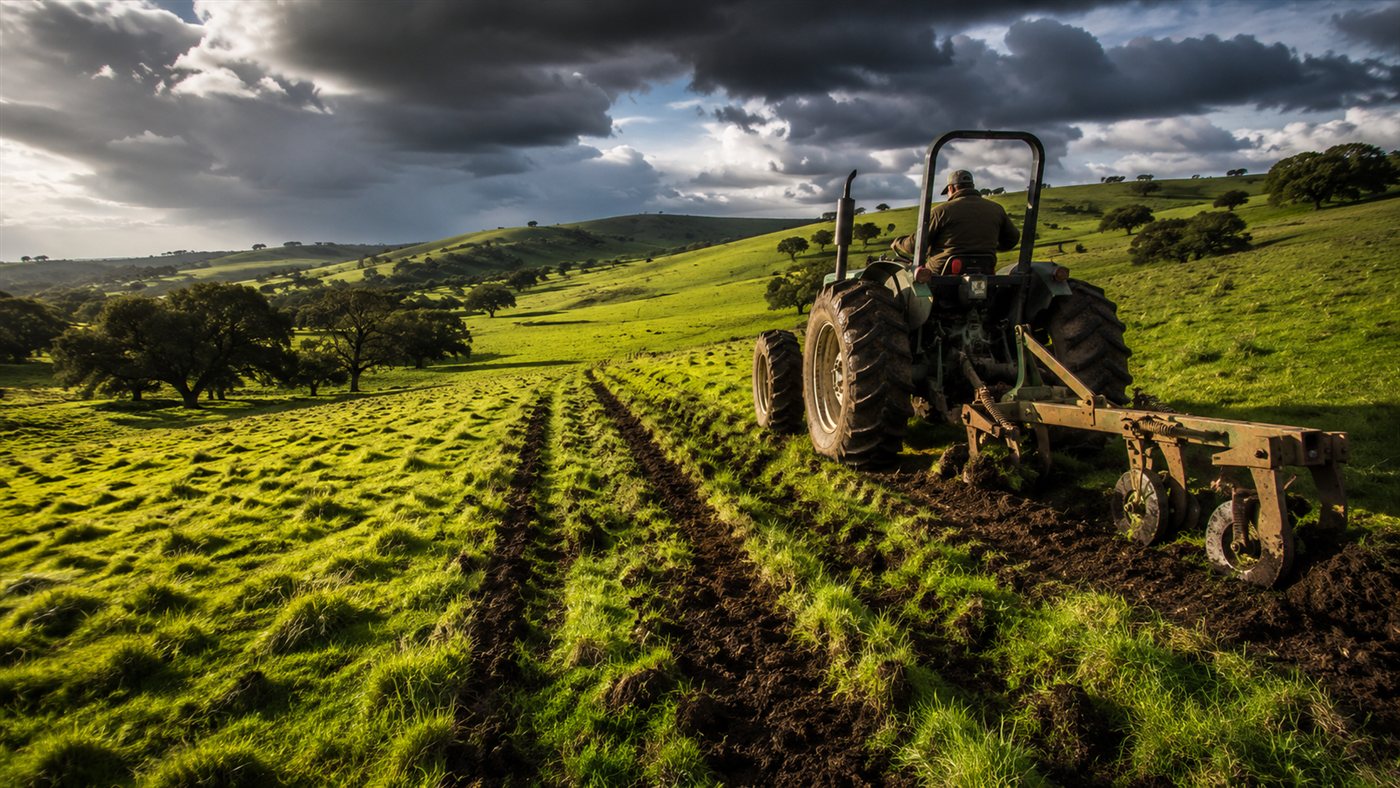
Regenerative Farmers Use Keyline Plow to Improve Pasture Hydration, Storing 1 Gallon of Water Every 30 Centimeters

-
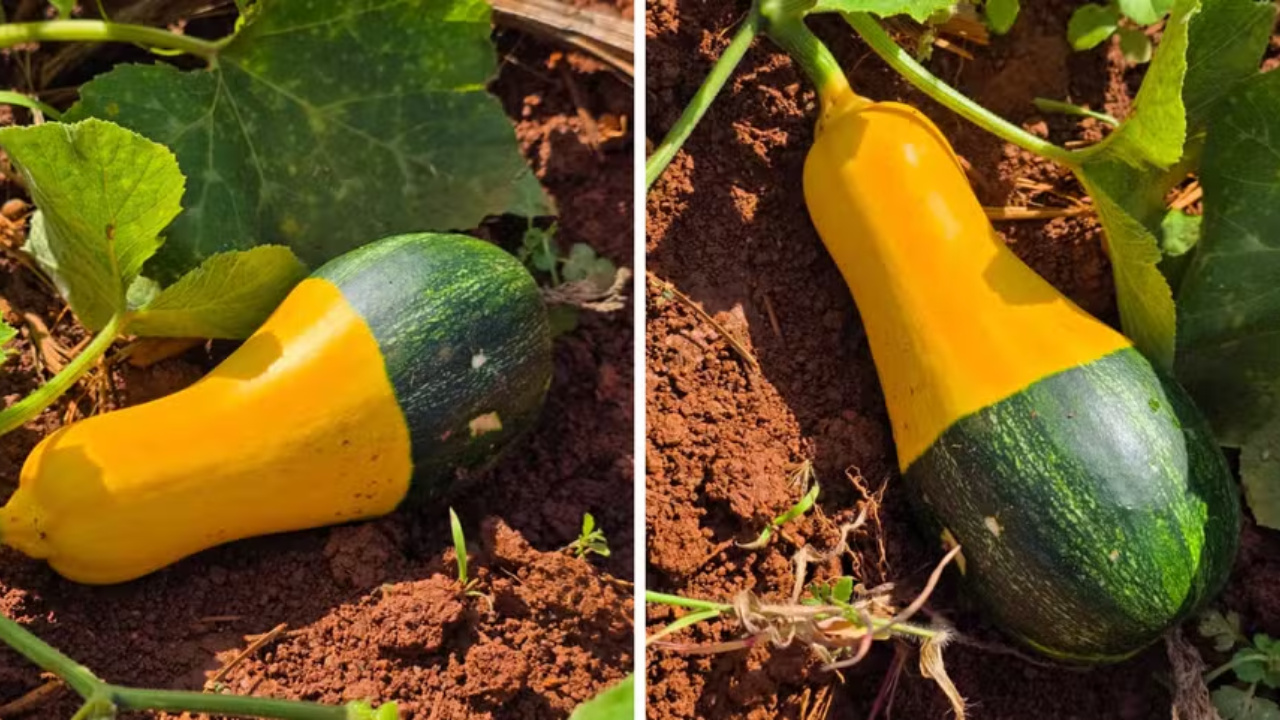
Bicolor Pumpkin Resembling Hand-Painted Art Discovered by Brazilian Researchers in the Capital Due to “Spontaneous Mutation”

-
In China, a 26-story building produces 1.2 million pigs annually, revolutionizing livestock farming with tube feeding and AI surveillance.
-
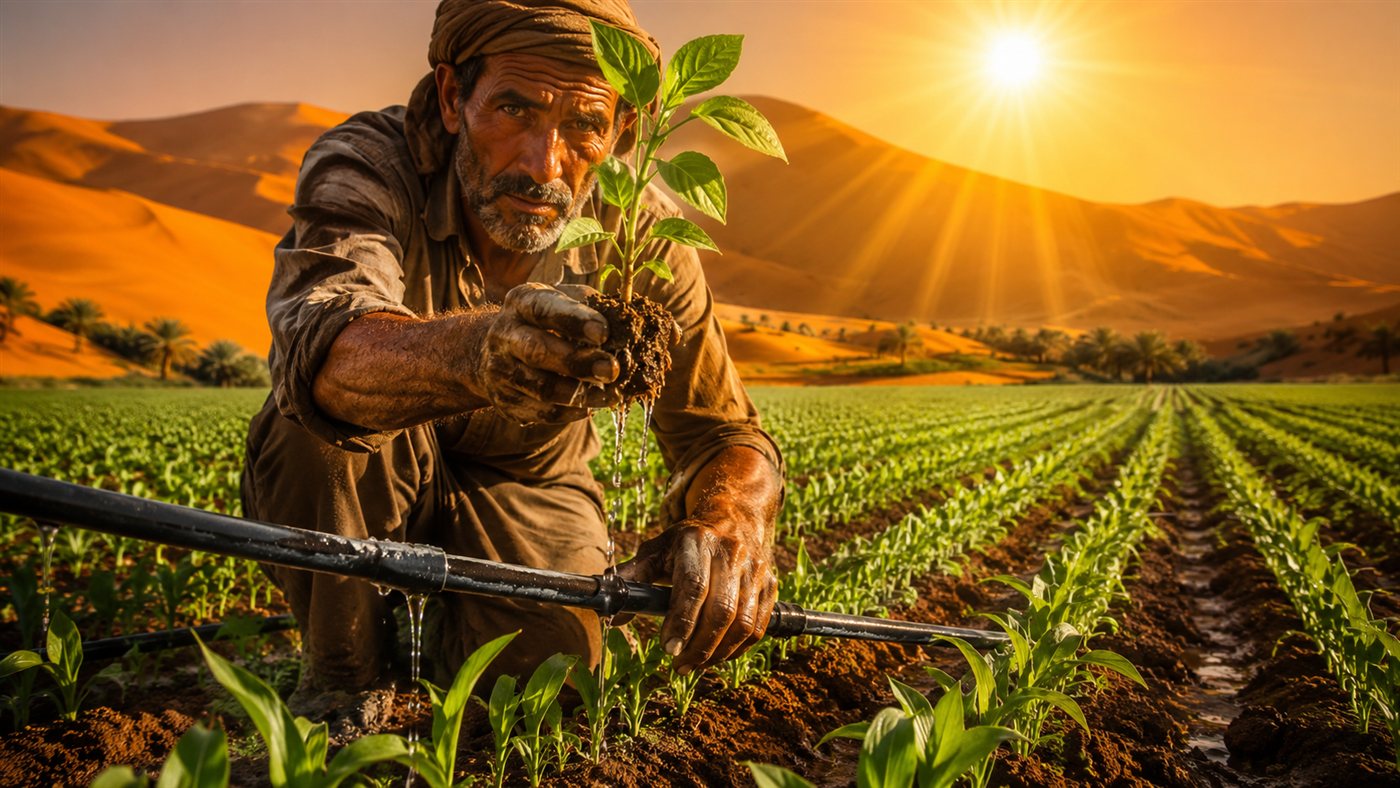
With Nearly 60% Desert, Israel Desalinates Seawater and Recycles 90% of Wastewater to Build a Billion-Dollar Agricultural Powerhouse in Dates and Cotton

Embrapa deepens studies with Sesbania plant in irrigated systems
Embrapa, through the Embrapa Rice and Beans unit, has been investigating the use of the Sesbania plant for about 10 years. The experiments are conducted in areas such as the Palmital Farm, where genetic improvement of irrigated rice occurs.
According to technician Leandro Pimenta, the cultivation of the legume in rotation with rice has shown consistent positive effects. Even without definitive measurements in all variables, practical observation already indicates significant visual gains in the crops.
This type of approach is relevant for agriculture, as it combines scientific knowledge with direct application in the field, facilitating adoption by producers.

Plant that recovers soil improves fertility and reduces dependence on inputs
The action of the soil-recovering plant is directly linked to natural processes that favor soil balance. The Sesbania plant, for example, is capable of fixing nitrogen, one of the most important nutrients for the development of agricultural crops.
This means, in practice, a lower need for nitrogen fertilizers, which tend to be costly and depend on imports. For the agribusiness, this reduction can represent significant savings over the harvests.
Another relevant point is the increase in organic matter. After about 110 days of cultivation, the plant reaches the flowering phase and can be incorporated into the soil, generating approximately 60 tons per hectare of green mass. This volume helps improve soil structure, increasing its capacity to retain water and nutrients.
Among the main observed effects are:
- Greater availability of nutrients for crops
- Improvement in the physical structure of the soil
- Increased biological activity
- Reduction in the need for chemical inputs
These factors show how soil recovery can be done efficiently and sustainably.


Soil recovery with Sesbania advances in degraded and flooded areas
One of the differentiators of the Sesbania plant is its adaptation to environments with excess water, a common condition in irrigated rice areas. This makes it a rare alternative among legumes, as few species can thrive well in this type of soil.
According to Leandro Pimenta, this characteristic expands the potential of the soil-recovering plant, especially in regions where degradation is associated with water saturation.
Furthermore, soil recovery with Sesbania can be applied in more critical situations, such as areas affected by floods. In recent events in southern Brazil, crops were severely impacted, and the use of this plant emerges as a possibility to accelerate productive recovery.
This scenario reinforces the importance of resilient solutions for agribusiness, capable of dealing with extreme climatic events.
Decontamination capacity expands the use of the Sesbania plant in agribusiness
Another relevant aspect is the potential of the Sesbania plant in bioremediation processes. Scientific studies indicate that this soil-recovering plant can absorb toxic elements present in the environment.
In cases such as areas affected by mining waste, the plant can remove some of these contaminants from the soil, accumulating them in the aerial part. This material, in turn, must be handled carefully after cutting.
Even when removal is not total, Sesbania still contributes through a process called phytostabilization, reducing the mobility of these elements in the environment. This decreases the risk of contamination of rivers and groundwater.
Among the most relevant environmental benefits are:
- Reduction of soil erosion
- Decrease in the transport of contaminated particles
- Protection of water resources
- Stabilization of degraded areas
This set of advantages strengthens the role of the plant in sustainable agribusiness.
Efficient management of the soil-recovering plant in the field
The adoption of the soil-recovering plant does not require complex changes in the production system. According to Embrapa, the planting of the Sesbania plant usually occurs between October and November, at the beginning of the summer harvest.
Sowing can be done with a seed drill or broadcast, using about 15 kg per hectare of pre-scarified seeds. In some cases, the use of specific herbicides may be necessary in the initial phase to control grasses.
After approximately 110 days, the plant reaches the ideal point to be incorporated into the soil, usually with the use of a knife roller. This process is essential to release nutrients and enhance the soil recovery.
This management model proves to be viable for agribusiness, as it can be integrated into existing systems without major difficulties.
Embrapa expands research to validate large-scale gains
Despite the advances, Embrapa continues to deepen studies on the Sesbania plant. Researcher Mabio Lacerda highlights that new protocols are being developed to accurately measure the impacts of the technology.
Among the points analyzed are grain productivity, the quality of the incorporated organic matter, and soil microbial activity. Factors such as disease suppression and weed control are also being evaluated.
The idea is to conduct tests in different regions of Brazil, considering the particularities of each productive environment. This stage will be fundamental to consolidate the recommendation of the soil-recovering plant on a large scale in agribusiness.
With more robust data, it will be possible to guide producers on the best practices for using Sesbania in different agricultural systems.
Promising paths to transform soil and increase productivity
The advancement of research shows that the Sesbania plant can become a key piece in transforming Brazilian agriculture. By combining economic gains and environmental benefits, this soil-recovering plant meets the current demands of the sector.
The recovery of soil is no longer just a challenge but an opportunity for innovation. For the agribusiness, this means producing more, with less environmental impact and greater efficiency in resource use.
The results observed over about 10 years of studies indicate that the path is promising. Although further research is needed, the existing scientific basis reinforces the potential of this technology.
In light of this scenario, investing in solutions like Sesbania can be decisive for ensuring the sustainability of agricultural production in the long term, keeping Brazil as a global reference in the sector.
With information from Embrapa.