Portuguese
  Spanish


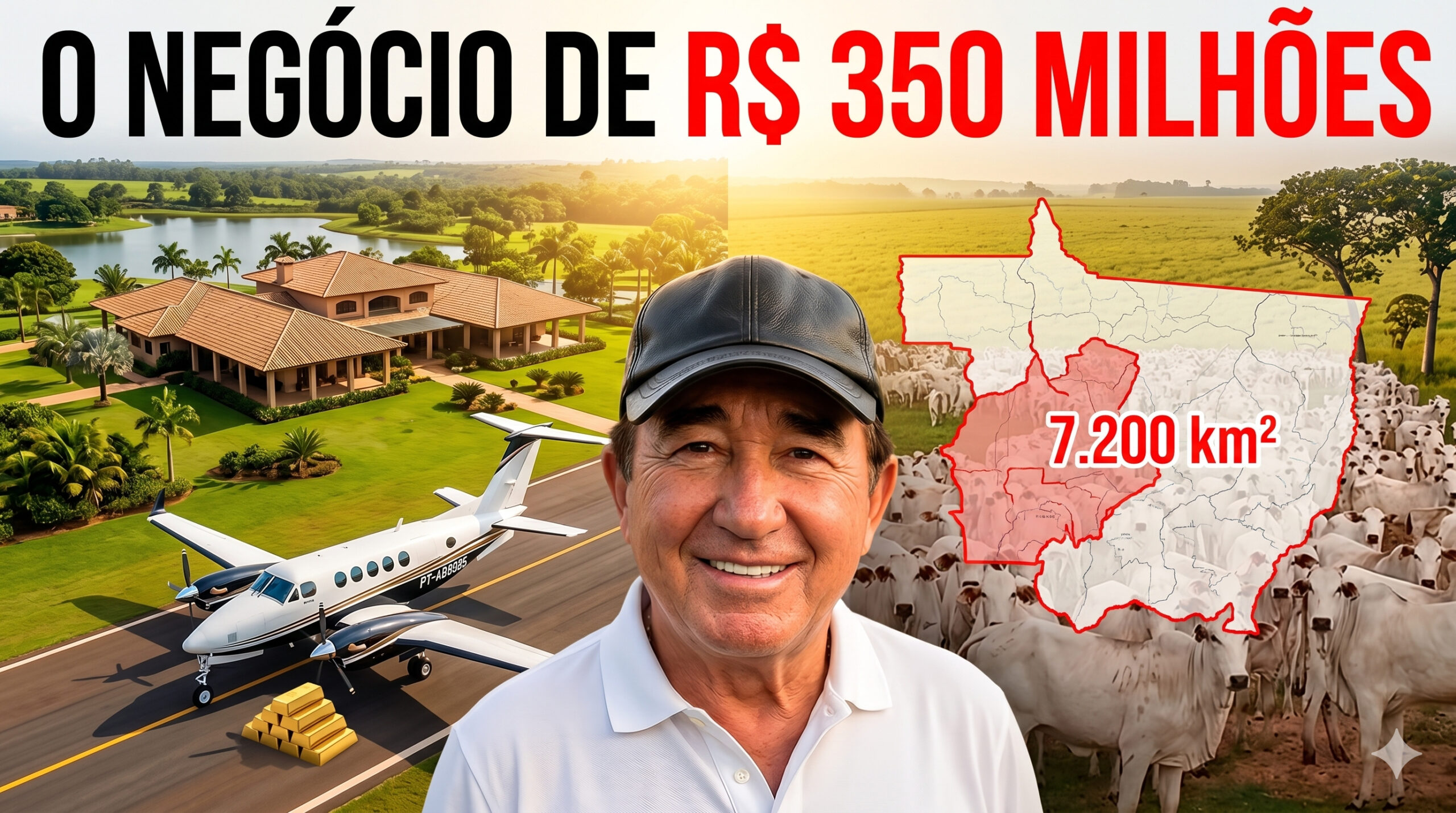

Amado Batista sold his farm for R$ 350 million in Mato Grosso with 17 thousand heads of cattle and maintains properties that earn up to R$ 135 million per year.
According to the CompreRural portal, the sale of the farm was confirmed on March 9, 2025, and is considered one of the largest transactions in the Brazilian rural sector that year. The buyer was Grupo Ouro Verde, an agribusiness conglomerate based in Silvânia, Goiás, involved in cattle confinement and the production of soybeans and corn in four states. Amado Rodrigues Batista, born in 1951 on a farm in Davinópolis, in the interior of Goiás, left the countryside at a young age to work in Goiânia and returned decades later as one of the big names in Brazilian agribusiness. The sale of the property had been dragging on since its announcement in 2021, when the topic gained media attention with the announcement made by the country singer.
Amado Batista’s journey begins in the countryside, passes through record sales, and consolidates in Brazilian music
Amado Batista grew up as the youngest of eight siblings in a family of farmers. At 14, he moved to Goiânia in search of opportunities and worked as a cleaner, sales clerk, and assistant manager of a bookstore.
In 1970, he invested his savings in opening a record store. The business grew and transformed into a chain with four units in the capital of Goiás.
-
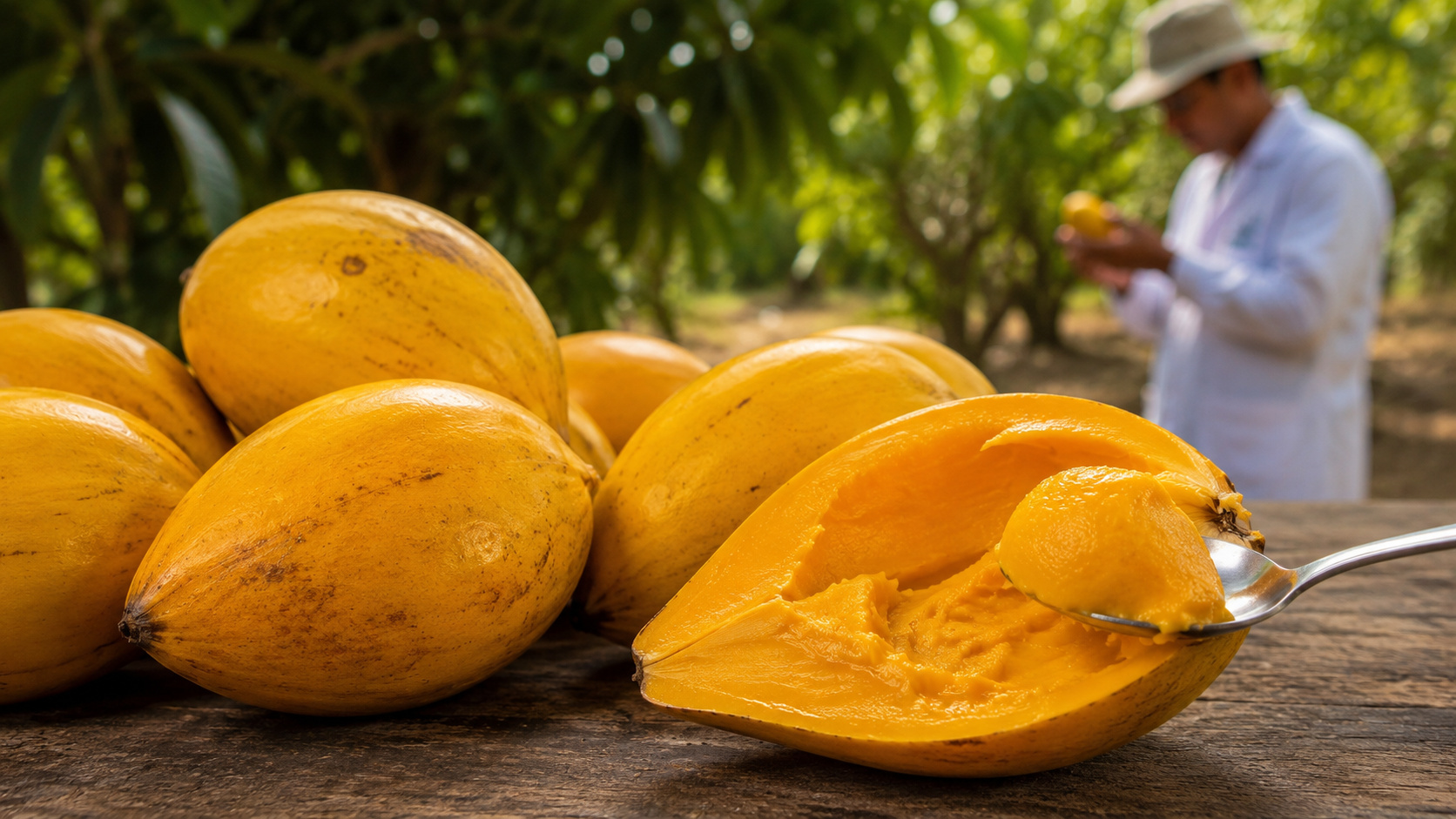
Rare Tropical Fruit Canistel, with Egg Yolk Color and Caramel Flavor, Gains Interest from Researchers and Small Producers in Brazil

-
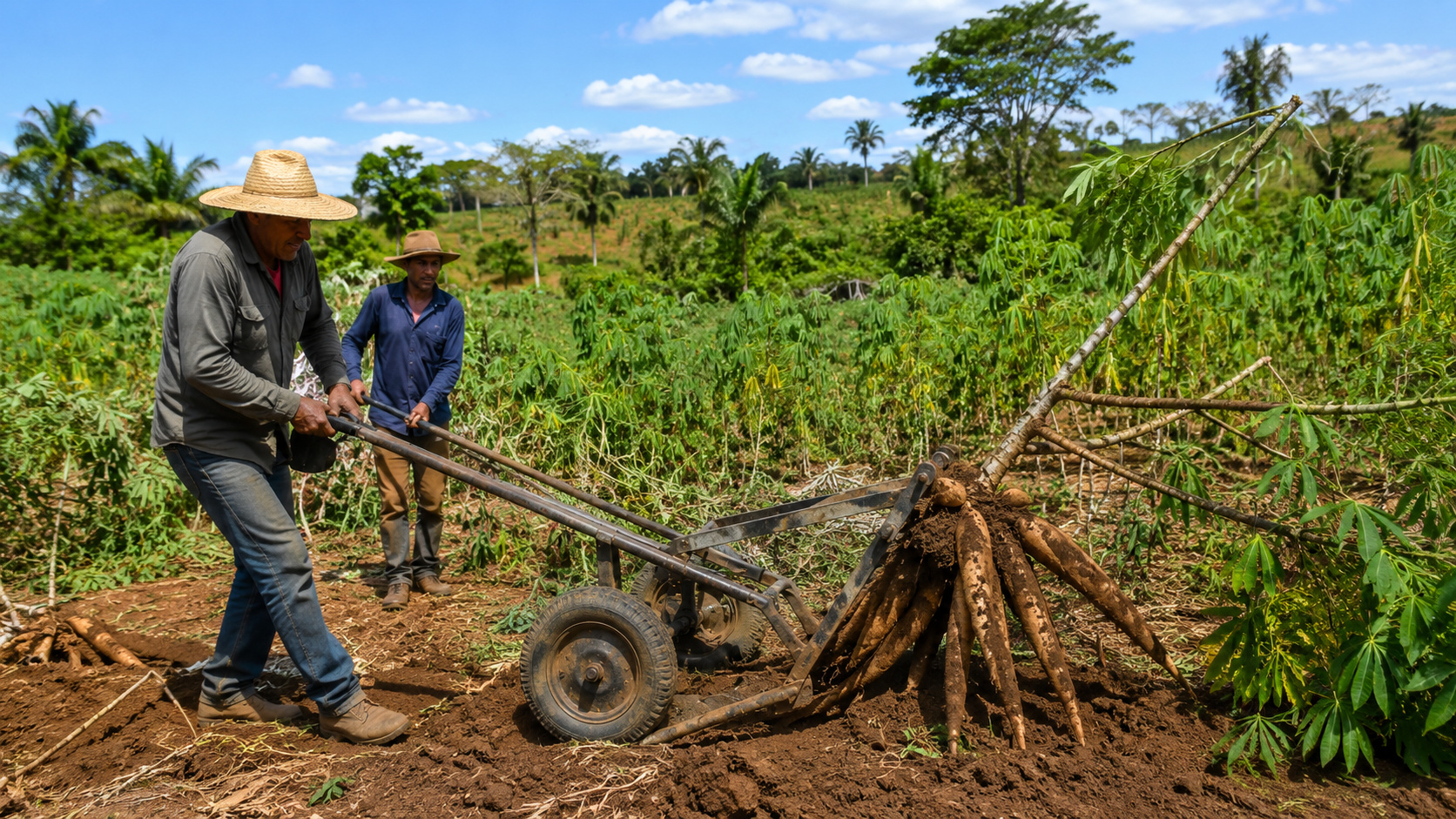
Brazilian Farmers Develop Wheeled Metal Lever to Ease Cassava Harvesting Without Heavy Machinery
-
Study of Brazil’s Tietê River Finds 25 Pesticides in Water, Including Cancer-Linked Substance Near Source
-
Young Entrepreneur Expands from 50 to 1,400 Chickens, Proving “Happy Hens” Can Be a Viable Business


His musical career began in 1975 with the recording of his first single. Success came quickly. In 1976, the song “Desisto” sold over 100,000 copies, and in 1982 the album “Sol Vermelho” surpassed 1 million copies sold.
Over nearly five decades, Amado Batista recorded about 40 albums, sold more than 38 million copies, and accumulated dozens of certifications including gold, platinum, and diamond.
Investments in farms began in the 1980s and led to the formation of the Farms AB group
With the increase in income from music, Amado Batista began investing in land in the 1980s.


The first properties were acquired in Goiás, followed by expansions in Mato Grosso, a state that concentrates a significant portion of the country’s agricultural production.
These investments led to the formation of the Farms AB group, composed of properties such as Sol Vermelho, Buritizal, and Sítio Esperança, which together total about 35,000 hectares mainly dedicated to beef cattle farming.
Farm in Cocalinho, Mato Grosso had a structure comparable to small rural towns
The sold property was located in Cocalinho, in the northeast of Mato Grosso, a strategic region near the Araguaia River.
The reported total area was 7,200 km², with 4,680 km² considered productive, featuring extensive and highly structured infrastructure for agricultural operations.
Within the farm, there were three landing strips, ten artificial lakes, four rivers, and two natural streams, as well as 25 residences for employees and managers.

The structure also included radio communication systems powered by solar energy, internet, telephony, and modern agricultural machinery. The main house had 11 bedrooms, five suites, a complete leisure area with a swimming pool, sauna, ranch, and soccer field.
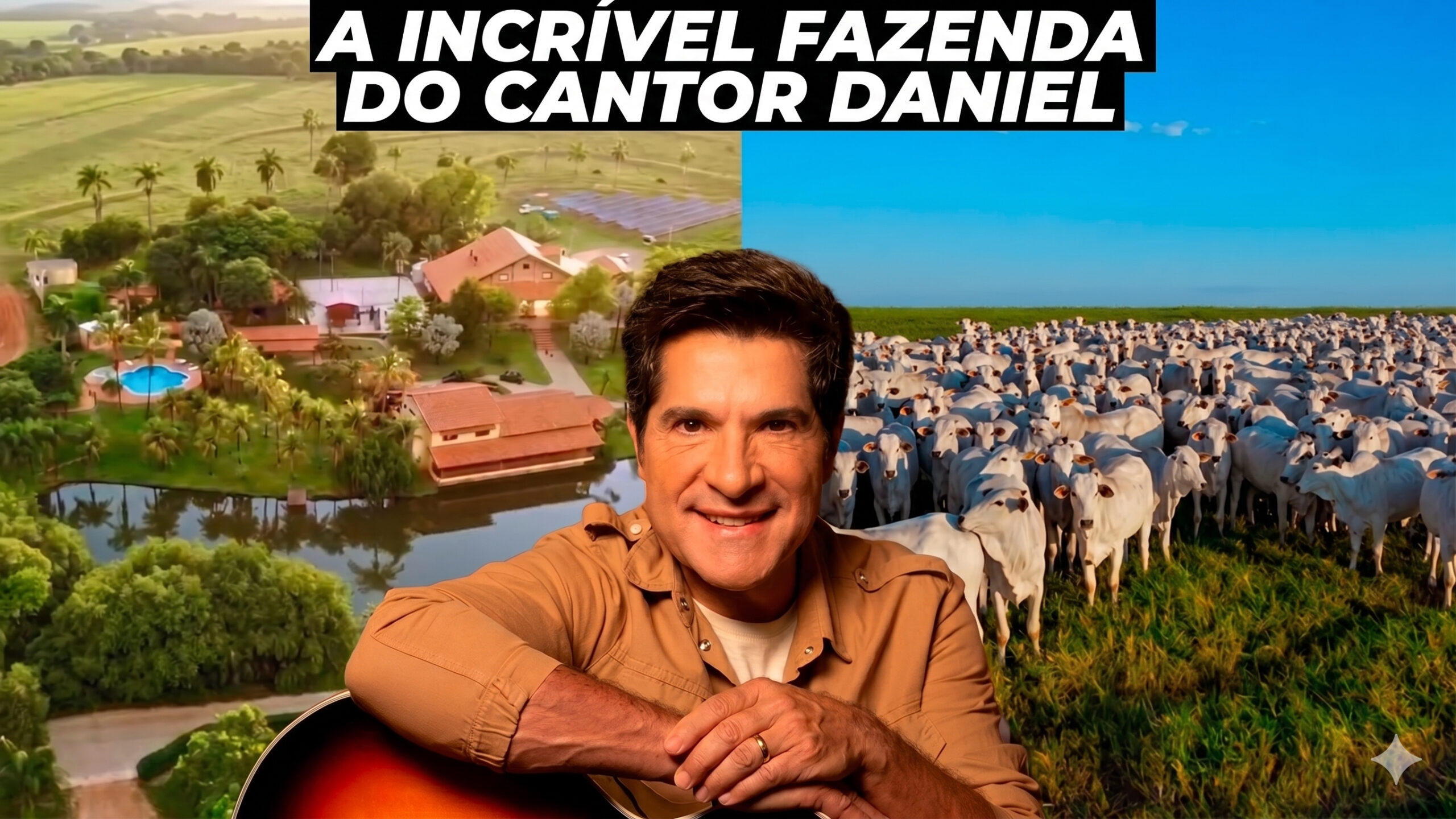
Herd of 17 thousand cattle consolidated large-scale livestock operation
At the time of the sale, the farm maintained about 17 thousand cattle. The operation utilized management technology and a productive structure aimed at efficiency in beef cattle farming, focusing on productivity and scale. This volume placed the property among the large livestock operations in the region.
Sale occurred after marriage and amid environmental and strategic business issues
In March 2025, shortly before the sale was finalized, Amado Batista held his wedding with Calita Franciele at the farm itself.

The property was used as the setting for the ceremony and, during the same period, was negotiated for R$ 350 million.
The decision to sell was also influenced by regulatory and environmental factors, including a fine imposed by Ibama in 2014 related to deforestation.
Grupo Ouro Verde acquired the farm with plans to expand agricultural and livestock production
Grupo Ouro Verde took over the property with all existing structures, including machinery, livestock, and complete infrastructure.
The buyer’s strategy involves expanding agricultural production, especially grains, leveraging the region’s potential.

Even after the sale of the farm in Cocalinho, Amado Batista remains active in agribusiness through other properties of the Fazendas AB group. The current production volume is around 25,000 heads of cattle sold per year.
This level of production generates an estimated gross revenue between R$ 120 million and R$ 135 million annually, considering the prices in the fat cattle market.
Comparison shows that agribusiness income surpasses musical activity on an annual scale
The average fee for the singer’s shows ranges between R$ 200,000 and R$ 350,000. To achieve the same annual revenue obtained from cattle sales, it would be necessary to perform hundreds of shows throughout the year, highlighting the weight of agribusiness in his financial structure.
Amado Batista’s trajectory combines success in music and expansion in agribusiness.

With an estimated net worth of around R$ 1 billion, he has built two independent financial pillars: one based on the music industry and another supported by rural production.
Now we want to know: is investing in land and livestock still one of the most solid strategies for building wealth in Brazil?
Amado Batista’s journey shows a diversification strategy that spans decades.
In your view, is agribusiness still one of the safest ways to build wealth in the country, or does it face structural changes that could alter this scenario?