






 Portuguese
  Spanish


Between 2023 and 2026, Brazilian agriculture opened 592 new markets in 88 global destinations, with accelerated advancement in 2024 and 2025, expansion led by animal and plant origin products and relevant growth of meats, animal genetics, animal feed, and new exported items
Brazilian agriculture expanded its presence in international trade between 2023 and 2026, with the opening of 592 new markets in 88 global destinations, including countries, economic blocs, and territories. Data from the interactive panel of the Ministry of Agriculture and Livestock show continuous progress during the period and greater reach for different products.
In 2023, 78 new markets for Brazilian products were registered. In 2024, this total rose to 222, while 2025 ended with 225 openings, and so far in 2026, six new releases have already been recorded.
Brazilian agriculture accelerates market openings
The pace of expansion gained momentum over the analyzed years, with highlights on the jumps observed in 2024 and 2025. The result reinforces the expansion of Brazilian agriculture in foreign trade and progress in different export fronts.
-
Producer receives news and had to cull almost the entire herd, bounced back with the help of compensation, and is now producing 450 liters of milk per day in SC.

-
Quail Eggs Reveal a “Secret Code” on Their Shells Explaining Unique Patterns and Colors

-
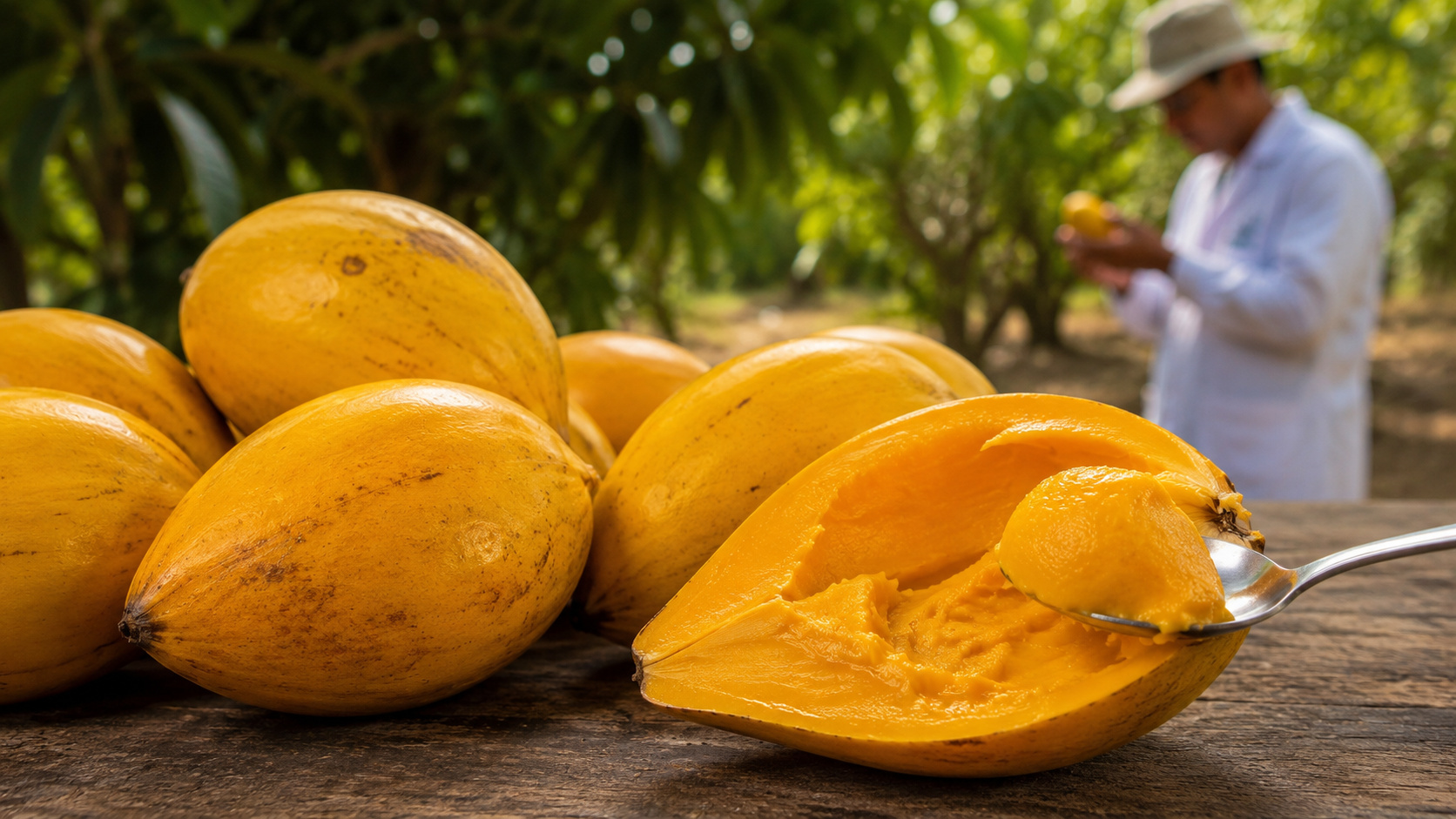
Rare Tropical Fruit Canistel, with Egg Yolk Color and Caramel Flavor, Gains Interest from Researchers and Small Producers in Brazil
-
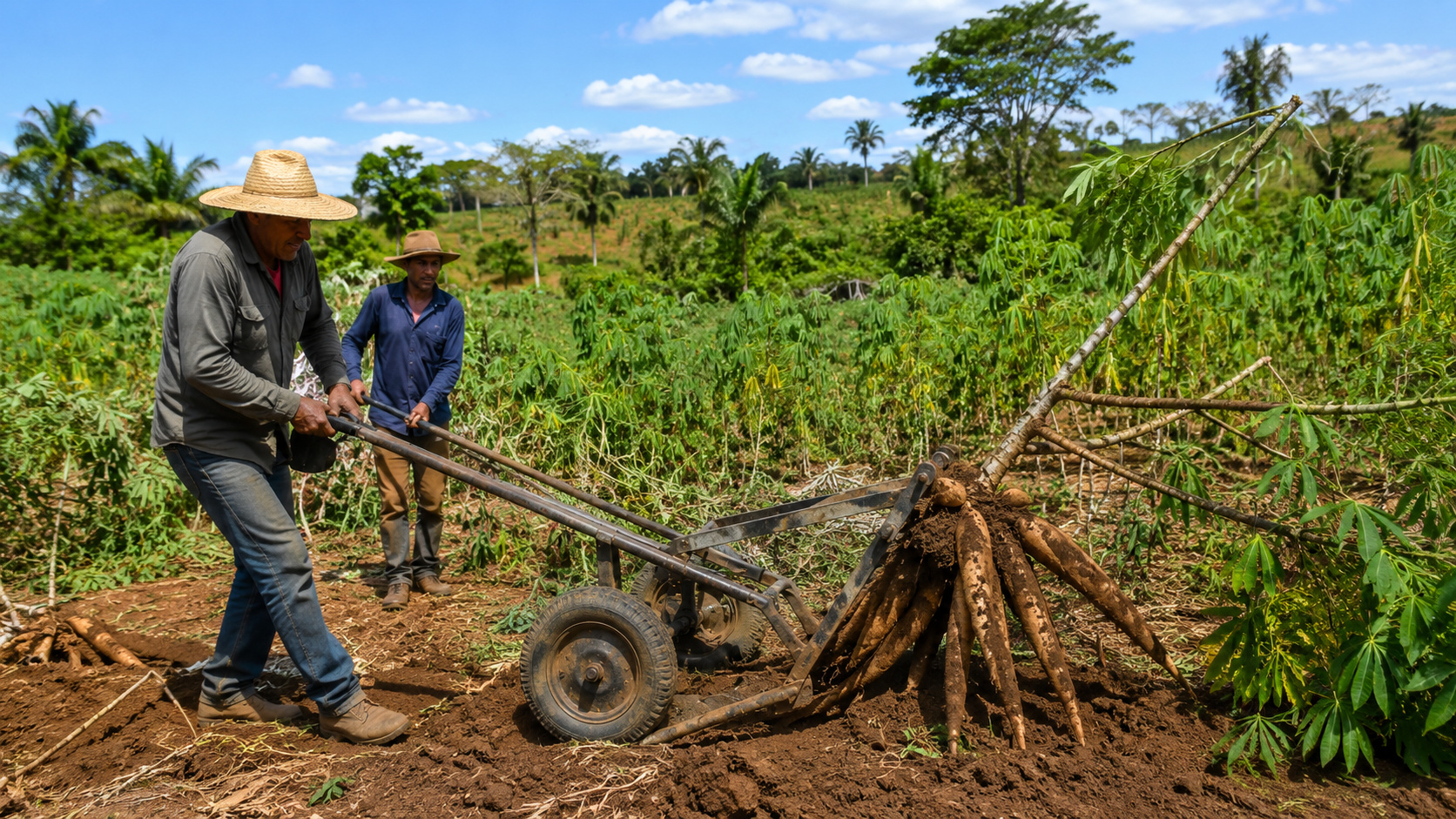
Brazilian Farmers Develop Wheeled Metal Lever to Ease Cassava Harvesting Without Heavy Machinery


Statistics indicate that animal and plant origin products lead exports during this period. Following them are genetic material and live animals, expanding the variety of items with access to new destinations.
Countries that opened the most space
Among the main destinations, Mexico leads with 25 market openings for Brazilian products. Following are Saudi Arabia, with 21, and Angola, South Korea, Ethiopia, and Japan, each with 18 openings.
Other relevant partners during the period include Peru, Russia, Canada, and India. The distribution of new accesses shows presence in different regions and an expansion of the commercial network of Brazilian agriculture.
Products lead international expansion
The majority of openings are concentrated in animal origin products, totaling 191 markets and representing 35.5% of the total. Plant origin products recorded 89 openings, while animal genetic material accounted for 46 markets, about 15%.
In subcategories, animal proteins lead with 90 openings, equivalent to 21.3%. Next are animal genetic material, with 66, and animal feed, with 51.
Among the items with the most new markets are genetic material from cattle and buffalo, with 32 openings, beef and derivatives, with 31, and poultry and derivatives, with 26. The diversification of Brazilian agriculture also included avocado for Saudi Arabia, Chile, Costa Rica, and India, powdered açaí for India, fingerlings for Burkina Faso, Ethiopia, and the Philippines, as well as additives for animal feed for Argentina.


