






 Portuguese
  Spanish
  3 min of reading
  0 comments


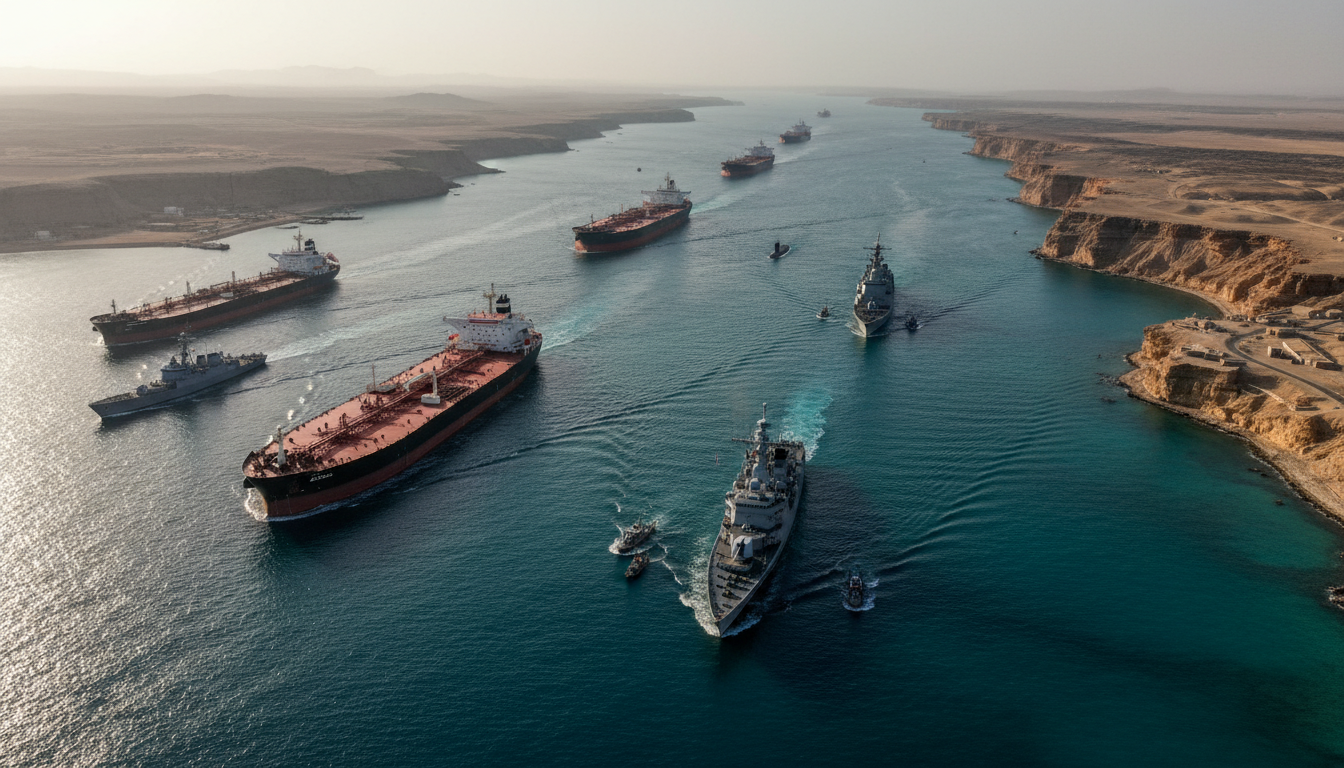
US Naval Blockade in the Strait of Hormuz on April 13, 2026, Causes Brent Oil to Exceed $100, Gasoline Rises to R$6.77 and Diesel to R$7.43 in Brazil — Iran Threatens to Retaliate Against Gulf Ports
The United States announced on April 13, 2026, a total blockade of the Strait of Hormuz. The decision came after the collapse of negotiations with Iran in Islamabad, Pakistan.
This strait, which is only 33 kilometers wide, accounts for about 20% of all the oil consumed in the world.
The impact was immediate. On Monday, April 13, the price of Brent oil rose by 6.5% and surpassed $100.
-
In the year Brazil won the World Cup, gasoline cost R$ 1.77, the cheapest car was worth R$ 13,000, there were no flex-fuel cars, SUVs were rare, and no Chinese brand sold a single vehicle in the country.

-
Neighboring Balneário Camboriú will receive a R$ 1 billion airport with 225 hangars, an area of 2.2 million m², a technology park, and an export zone that promises to transform the economy and generate thousands of jobs.
-
After investing R$ 5,000 in fried chicken in his backyard, a Brazilian transformed two fryers and a freezer into a network with 115 sales points, presence in up to 17 states, and revenue exceeding R$ 115 million per year.
-
Not even Trump convinces the market: U.S. companies state that Brazil has no substitute, pressure Washington against the 25% tariff, and warn that the measure could raise prices, cause layoffs, delay projects, and harm sectors that depend on stones, wood, seeds, and other Brazilian products.




In Brazil, gasoline at the pump rose to R$6.77. Diesel reached R$7.43. These are the highest prices of the year.
March inflation had already recorded an increase of 0.88%. The Transport group led with a rise of 1.64%, with fuels increasing by 4.59%.

The Collapse of Negotiations in Islamabad
The negotiations between the US and Iran took place in Islamabad, Pakistan, on April 11, 2026. Vice President J.D. Vance led the American delegation.
The US demanded freedom of navigation in the strait and included the dismantling of the Iranian nuclear program in the package.
Iran refused. The negotiations collapsed. On April 12, Trump announced that the Navy would initiate a total blockade.
Iran responded by threatening direct retaliation against ports in the Persian Gulf and the Sea of Oman.
Tehran declared that port security would be “for all or for none”. And promised to permanently control the strait.
The Numbers of Impact
- Brent Oil: up 6.5%, surpassed $100/barrel
- Gasoline in Brazil: R$6.77 at the pump
- Diesel in Brazil: R$7.43 at the pump
- March Inflation: 0.88%, above expectations
- Transport: +1.64% (the group that rose the most)
- Fuels: +4.59% just in March
- Brent Projection 2026: revised from $75-85 to $85-95
Before the conflict, Brent was projected between $75 and $85 throughout 2026. Now, revisions point to $85 to $95.
With more expensive oil, refineries pass on costs. The impact reaches the pump in weeks.

What changes for Brazil
Despite being self-sufficient in oil, Brazil is not insulated. Domestic prices follow international quotes.
There is no projection of fuel shortages in the country. But price increases are inevitable.
The Strait of Hormuz is not just a route for oil. It also carries plastics, automobiles, fertilizers, electronics, and chemicals.
The blockade affects global supply chains. Imported products in Brazil may also become more expensive.
On the Friday before the blockade, diesel at the pump had fallen for the first time since the beginning of the conflict. The truce lasted little.
Those who follow the sector know that oil is the heart of the global energy economy. Any turbulence in Hormuz reverberates around the world.
Ceasefire is a temporary relief, according to analysts
Analysts describe a potential ceasefire as “temporary relief amid uncertainties”. Structural tensions remain.
Experts warn of the need for alternatives to dependence on the Persian Gulf for global energy supply.
The conflict is already pressuring the energy transition. Countries are seeking to accelerate investments in renewable and nuclear sources.

Volatile scenario and uncertain projections
It is important to emphasize that price projections can change rapidly. A diplomatic agreement could drop the barrel price in hours.
The situation is extremely volatile. Statements from both sides change the scenario daily.
Gasoline and diesel prices in Brazil depend on the pricing policy of Petrobras, which can absorb part of the increase.
Information compiled from reports by CNN Brasil, Economic News Brasil, and Fecombustíveis. Data reflects the scenario as of April 15, 2026, and may change rapidly.




Be the first to react!