






 Portuguese
  Spanish
  5 min of reading
  0 comments


Project in Des Moines plans Joppa Village with about 55 micro-houses, social rent between $300 and $700, selection aimed at chronic homelessness, health services, local work, and an old school from 1880 repurposed as a community center to receive residents starting in 2027 in the USA.
The micro-houses of Joppa Village were approved in Des Moines, Iowa, United States, as part of a social rent project with support for people in chronic homelessness. The initiative is led by the non-profit organization Joppa and is expected to receive its first residents in 2027.
According to a report by Axios Des Moines published on June 18, 2026, and also as reported by The US Sun, the plan made progress after approval by the Des Moines City Council and authorization related to the old Chesterfield School building. The construction, erected in the 1880s, will be repurposed as a community center within the new micro-house village. The proposal combines compact housing, social rent, health services, collective spaces, and job opportunities on-site.
Village will have about 55 units and rent starting at $300
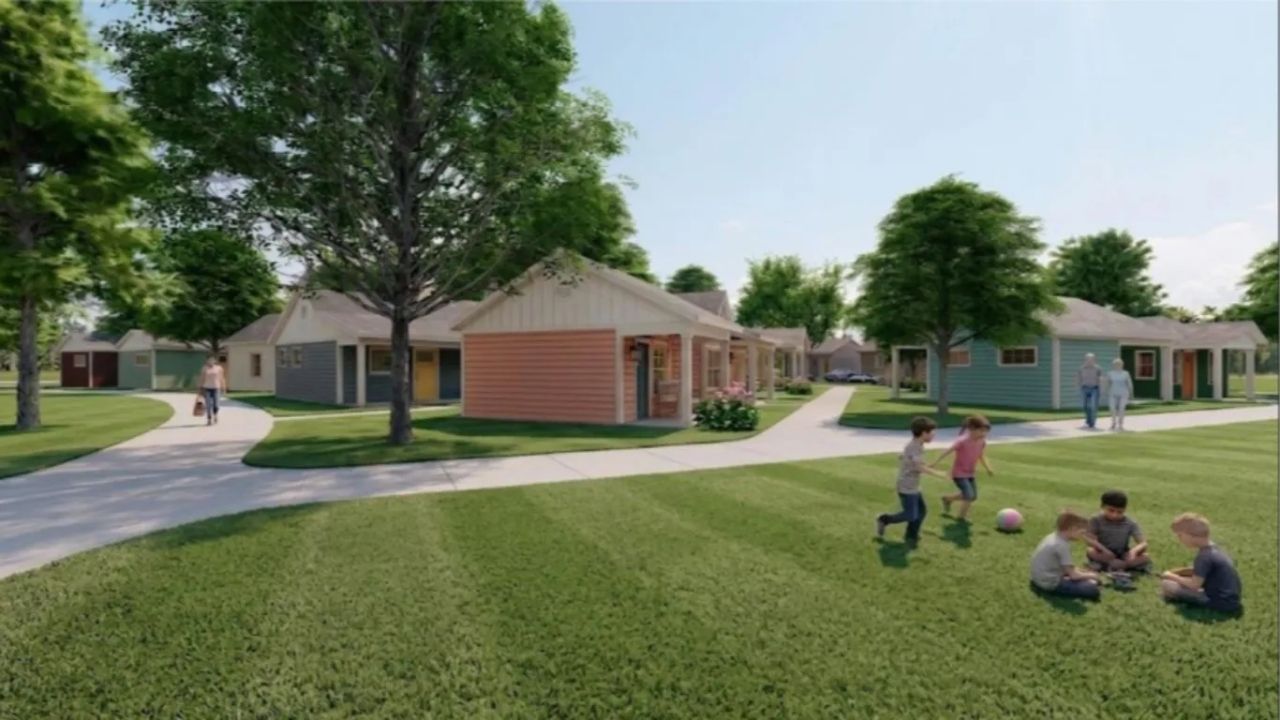
The Joppa Village was designed to function as a long-term community, not just as a temporary shelter. According to information published by The US Sun and Axios Des Moines, the project plans for about 55 micro-houses, including individual units, duplexes, and triplexes.
-
Mato Grosso inaugurates the first 162 km stretch of the largest railway project underway in Brazil, with around R$ 5 billion invested to transport 10 million tons of grains per year to the Port of Santos.

-
Without money to pay rent and without an architect’s degree, a man took a chisel, chainsaw, and hammer, carved a house into the hillside, and built a fairy-tale dwelling that looks like it’s straight out of The Lord of the Rings in just four months for less than R$ 25,000.

-
A 33-year-old from Paraná received a quote of R$ 12,000 just for the structural base of the house, opened tutorials on YouTube, and transformed a family plot into a 200 m² two-story house for about half the price charged by professionals.

-
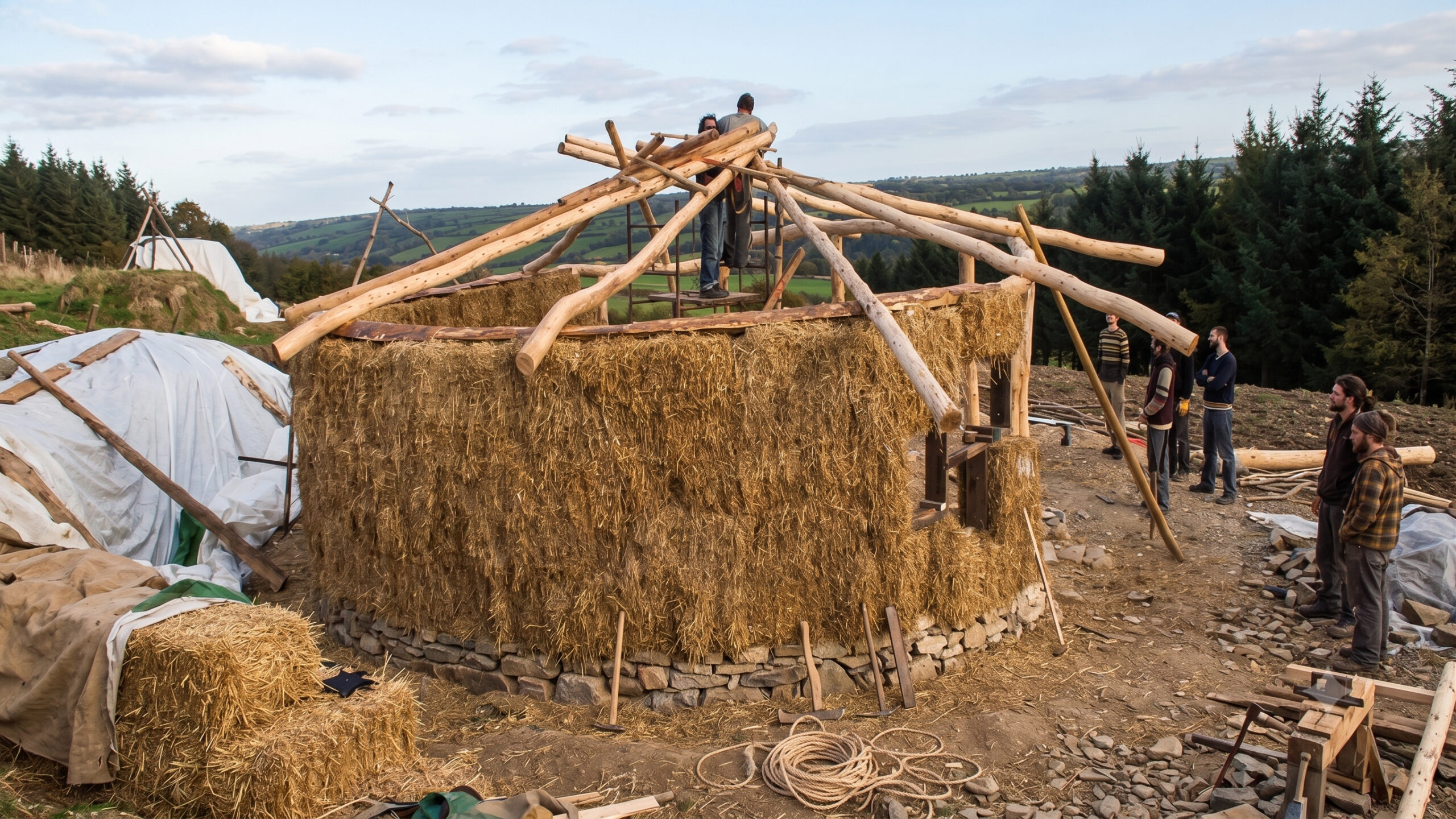
Without a mansion, without high investment, and without a traditional classroom, a teacher living in a 22 m² house taught students to build a 9 m² studio apartment with the equivalent of R$10,000.




In Des Moines, the micro-houses were designed to combine privacy and daily support. The houses are expected to range between 192 and 384 square feet, approximately equivalent to 18 m² and 36 m², with a bedroom, bathroom, and small kitchen for residents who previously lived without stable housing.
The monthly value should be between US$ 300 and US$ 700, depending on the size of the unit. Social rent is one of the central points of the proposal, because candidates do not need to prove income to enter, although the project has specific eligibility criteria linked to prolonged homelessness.
1880 School to be Transformed into Community Center
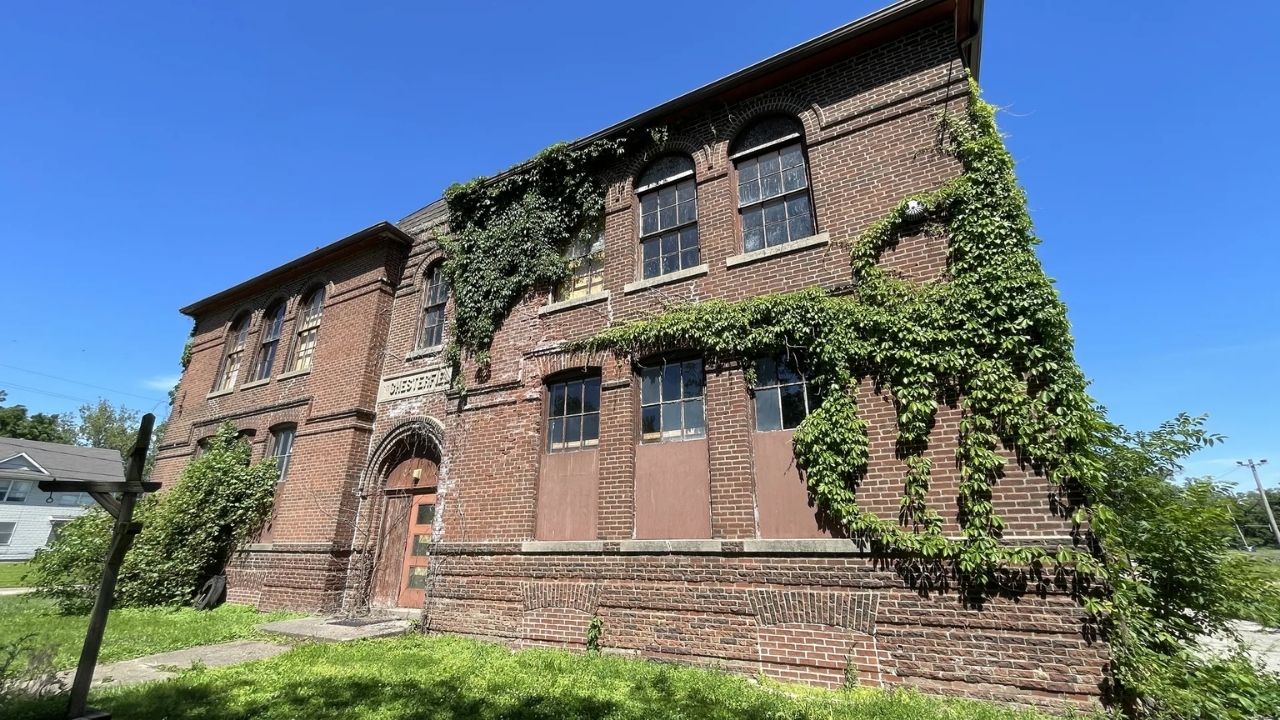
One of the central elements of the project is the reuse of the old Chesterfield School, a school building from the 1880s located in the former Chesterfield Community Center. Instead of being demolished or remaining abandoned, the building is to gain a new function within the village.
The approved proposal foresees the conversion of the building into a community center with support for residents. City documents cited by Axios point to spaces such as a community kitchen, dining area, recreation, storage, health care, and socializing areas.
An annex with a gymnasium of about 5,000 square feet is also planned. The idea is to transform a forgotten historic structure into a daily support point, connecting microhouses, social rent, assistance, and community life on the same site.
Project is Inspired by a Model Already Used in Texas
Joppa Village was inspired by the Community First Village in Austin, Texas, a model known in the United States for combining small housing with permanent services for vulnerable people. The estimated cost of the project in Des Moines could reach US$ 10 million.
The Joppa organization states that it is still evaluating ways to build safe, functional units that comply with local standards. This means that the final design of the housing and community structure may still undergo adjustments before the planned opening in 2027.
Even so, the approval already places the project in a decisive stage. The village does not promise to solve the housing shortage problem alone, but it attempts to create a permanent alternative for people who find it difficult to access the traditional rental market.
Entry Does Not Require Minimum Income, but There Are Social Criteria
One of the strongest points of the project is the absence of a minimum income requirement for future residents. According to The US Sun, people interested in living in Joppa Village do not need to have a job or active income at the time of entry.
Even so, the selection will not be open to just anyone. The criteria mentioned include facing disability or chemical dependency, having lived on the streets for at least a year, and having experienced homelessness three or more times in the last three years.
To support adaptation, the project also provides job opportunities on-site, with hourly pay starting at $15 in activities such as gardening, grounds maintenance, and cleaning. The proposal aims to combine housing, routine, initial income, and support in one environment.
Microhouses become a practical response to a complex problem
Microhouses have been gaining ground in the United States as an alternative for cities seeking faster and less expensive solutions than large traditional housing complexes. In Des Moines, the aim is to use this format to offer stability to people who have been living on the streets for a long time.
The model, however, also raises debates. For some, compact villages with local support can be a real bridge to rebuilding lives. For others, the challenge lies in ensuring that these communities do not become isolated or replace broader housing policies.
In the case of Joppa Village, the difference lies in the combination of permanent housing, social rent, community services, and the repurposing of a historic school. The project draws attention precisely because it does not treat the house as the end point, but as the beginning of a support network.
A small village in the face of a huge discussion
The forecast is that the first residents will arrive in 2027, if the next stages progress as planned. Until then, Joppa still needs to complete construction details, adapt the old building, and operate internal services.
The experience in Des Moines will be observed because it touches on a difficult question: how to accommodate people who cannot enter the common rental market, especially when there is no minimum income to start? The microhouses of Joppa Village offer a possible answer, but still depend on practical execution.
Do you think microhouse villages with social rent could also work in Brazilian cities to tackle homelessness, or is the risk that it becomes a small solution to a much larger problem?


Be the first to react!