





 Portuguese
  English
  Spanish
  4 min of reading
  0 comments


Swapping Cars May Seem Like a Good Idea, But There Are Reasons That Might Make You Rethink. Discover the Reasons Now.
Swapping cars is a decision that requires planning and careful analysis of the economic scenario in Brazil. Are you considering swapping your vehicle at this time? Is it the right moment to make such an important decision?
In January 2025, several factors indicate that this is not the best time to make this change.
The high interest rates, the strong dollar, pessimistic economic forecasts, and the weakening purchasing power of Brazilians are some of the main reasons to postpone this decision.
-
Nissan Frontier Attack 2026 hides under its darkened appearance a 2.3 biturbo engine, 4×4 traction, and multilink suspension that make the entry-level version seem much more expensive.

-
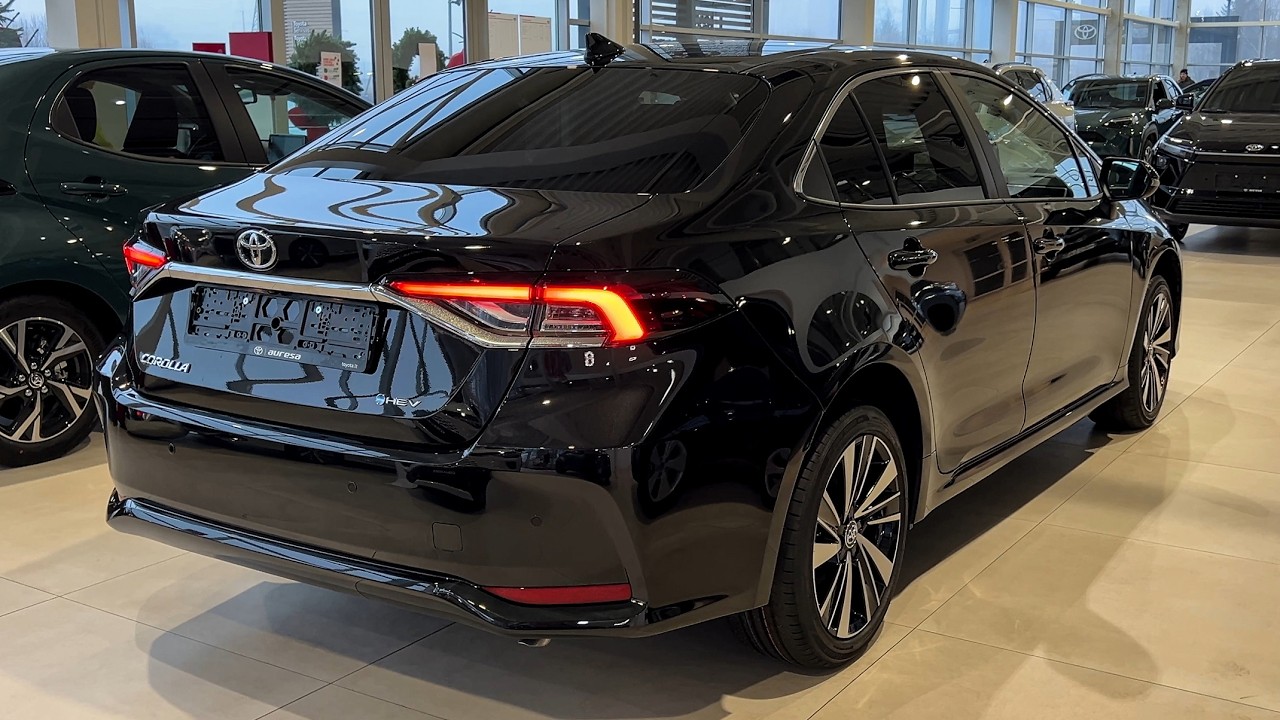
The same used Toyota Corolla Hybrid that costs R$ 134,000 in Brazil appears for US$ 19,400 in the USA, exposing a price gap between two markets that buy Toyota’s most famous electrified sedan.

-
Nissan Sentra 2026 reveals why there is still a mid-size sedan with the strength to compete against SUVs, Corolla, Civic, and Jetta using technology, comfort, and cost-effectiveness.
-
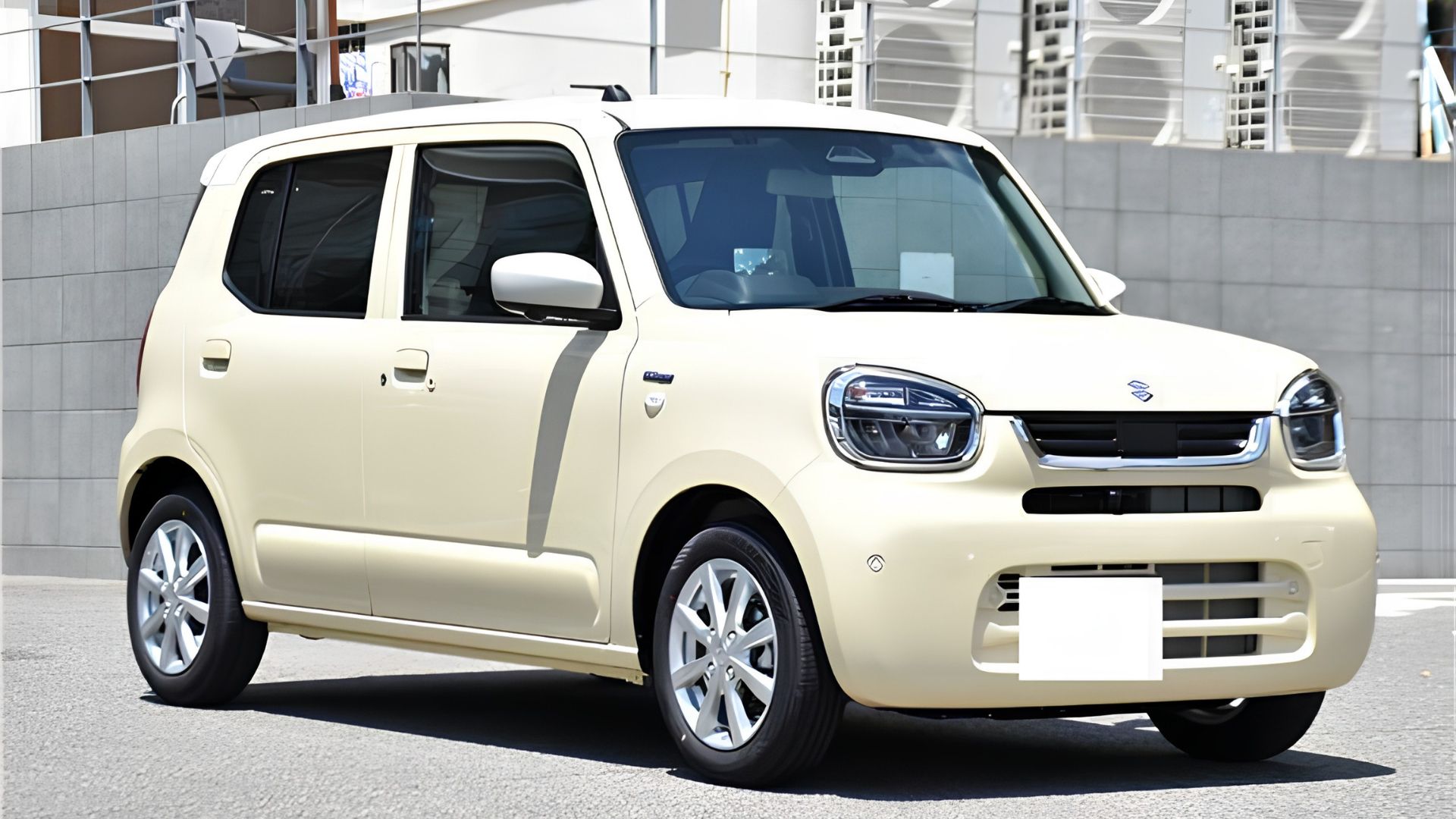
Suzuki Alto Hybrid does 28.2 km/l, costs from ¥1.14 million, about R$ 36.2 thousand in direct conversion, CVT transmission, and reveals the ultra-cheap, hybrid, and economical urban car that Brazil has never known.



Next, we will discuss in detail the reasons why it is prudent to delay the vehicle swap at this beginning of the year.
High Interest Rates Hinder Car Swapping
The current scenario presents high interest rates, with forecasts of reaching 15% per year.
This increase significantly raises the costs of vehicle financing, making the installments heavier for the family budget.
Those intending to finance a new or used car should consider that the high interest rates can compromise long-term financial health.
Additionally, with the market in instability, there are uncertainties about when this rate may start to decline, which makes the purchase even riskier.
Experts warn that if there is a decline, the interest rates are expected to have only a slight decrease next year. For this reason, swapping cars now is not advisable.
High Dollar Impacting the Market
Another concerning factor is the high dollar, which directly influences vehicle prices, especially imported ones and those that contain components manufactured abroad.
Even domestic cars suffer adjustments due to the rising costs of parts and supplies. Thus, swapping cars at this moment means paying a price above what would be reasonable under more stable economic conditions.
The spot dollar closed on Tuesday, January 21, with a slight decrease of 0.18%, quoted at 6.0313 reais. In January, the currency recorded a depreciation of 2.39%.
At 5:04 PM, on B3, the dollar contract for February, currently the most traded, showed a slight increase of 0.16%, quoted at 6.0450 reais.
In the session on Monday, the spot dollar closed with a decrease of 0.38%, reaching 6.0420 reais.
Economic Uncertainties
The beginning of 2025 brings a series of economic uncertainties, from political issues to instabilities in the international market.
Brazil is facing a moment of economic slowdown, which may impact employment and the population’s income.
With rising inflation and a lack of predictability, any high-value decision, such as swapping cars, should be well thought out to avoid regrets and future financial problems.
According to data from the Focus Bulletin, published by the Central Bank, the forecast for GDP growth in 2025 is 2.04%.
Decline in Purchasing Power
In recent years, the purchasing power of Brazilians has decreased due to persistent inflation and rising living costs. Stagnant salaries in relation to rising prices have led many consumers to be more indebted and less able to take on new financial commitments.
By swapping cars now, a consumer might find themselves in a difficult situation, having to cut essential expenses to meet the financing installments.
Also, according to Focus, the inflation projection for 2025 rose from 5.00% to 5.08%.
Start-of-Year Expenses: IPVA 2025
January is already a traditionally heavy month for consumers, with expenses such as IPVA, licensing, and mandatory insurance.
These expenses are unavoidable for those who already own a vehicle and can further strain the budget at the beginning of the year.
Acquiring a new car means facing these costs again, along with additional ones, such as higher insurance and administrative fees.
What to Do If You Already Have a Seminuevo or Used Car?
If you own a seminuevo or used car in good condition, the best strategy at this moment is to conduct a thorough inspection. Keeping the vehicle in perfect working order can extend its lifespan and avoid unnecessary costs with emergency maintenance. Recommended actions include:
- Periodic inspection of key components, such as brakes, tires, and engine.
- Regular oil and fluid changes.
- Attention to minor repairs to prevent larger problems.
- Evaluation of insurance to ensure adequate coverage without straining the budget.
By taking care of the car you already own, it is possible to navigate this moment of economic instability without the need to incur new debts.
Is It Best to Wait?
Given an uncertain economic scenario, with high interest rates, a strong dollar, and declining purchasing power, the most sensible decision for those considering swapping cars is to wait.
It is essential to avoid compromising finances with unnecessary debts and focus on keeping the current vehicle in good condition.
While there are no clear signs of economic improvement economically, the ideal is to “stay still”, save, and evaluate the best future opportunities.
Thus, when the economy stabilizes, it will be possible to make a more conscious and advantageous swap without compromising financial health.


-

-

-

3 people reacted to this.