Portuguese
  Spanish


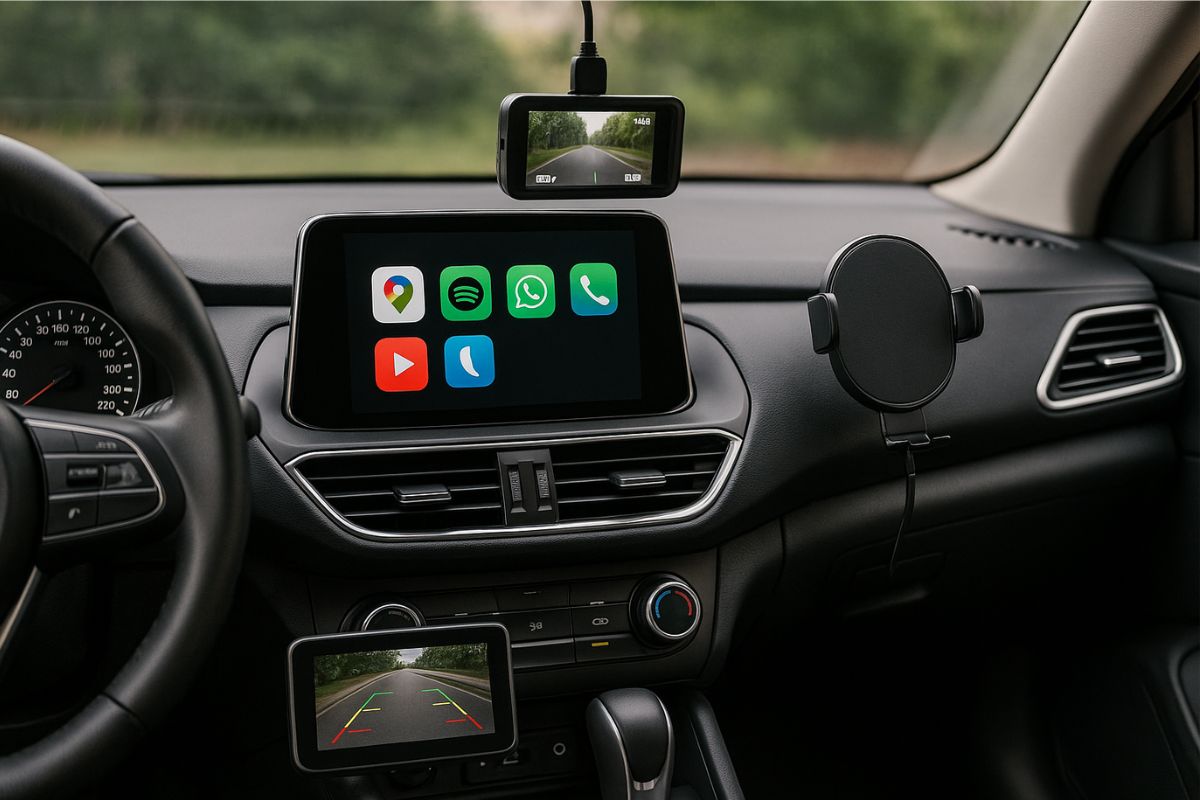


Luxury Car Technology Now Fits Your Budget: Check Out the 5 Best-Selling Accessories in Brazil in 2025
If automotive accessories were once seen as superfluous or purely aesthetic, by 2025 they have become almost mandatory for those who want to drive with safety, comfort, and a touch of technology in their daily lives. The most interesting part is that this silent revolution is not just happening in luxury cars — quite the contrary. It’s in popular models like Kwid, HB20, Argo, and Onix that the accessories are making the most difference.
With the Brazilian fleet aging and the prices of new cars still far from the reality of most drivers, accessories have become a smart alternative to upgrading a vehicle without spending a fortune. Five of them, in particular, dominated the market this year, topping sales in physical stores, specialized workshops, and marketplaces like Mercado Livre and Amazon.
Multimedia Center: Total Connectivity at Your Fingertips
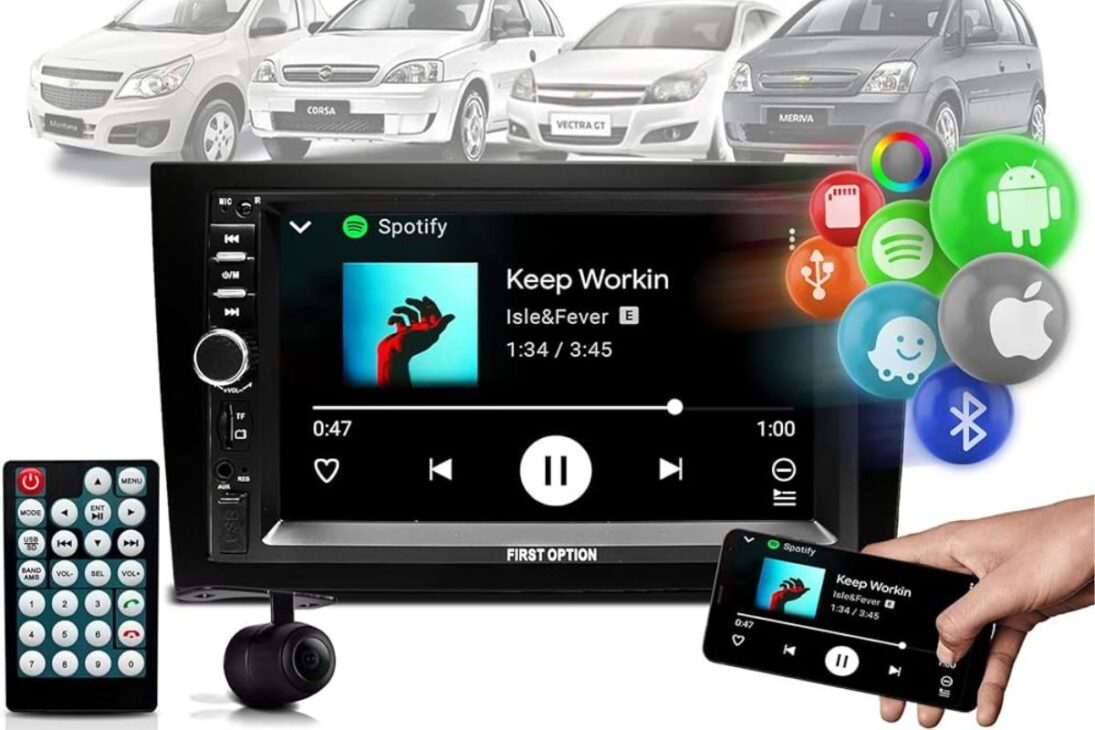
The multimedia center has become the technological heart of the modern car. In 2025, the best-selling models offer screen mirroring via Android Auto and Apple CarPlay, Wi‑Fi connectivity, direct access to apps like Waze, Spotify, WhatsApp, and even YouTube, all with an intuitive and responsive interface.
-
Renault Kwid Outsider 2023: Affordable Used Hatchback with 1.0L Engine, 15.7 km/l Efficiency, and Ample Cargo Space for Around $11,000

-
Chevrolet SUV Offers 153 hp Engine, 620 km Range, and ADAS Features at a Lower Price Than a New Kwid

-
London buses run on biofuel made from coffee grounds, turning café waste into sustainable public transport fuel without engine modifications.

-
Major Automaker Considers Closing 4 Factories, Putting 45,000 Jobs at Risk Amid Chinese Competition in Brazil


With prices ranging from R$ 800 to R$ 2,000, depending on the brand and features, they are already compatible with a large part of the best-selling vehicles in the country. And the installation, which was once a technical obstacle, can now be done in a few minutes at any specialized store. Besides entertainment, this type of system offers more safety, preventing direct cell phone use while driving and allowing voice commands or buttons on the steering wheel.
Dashcam: Safety in the Spotlight
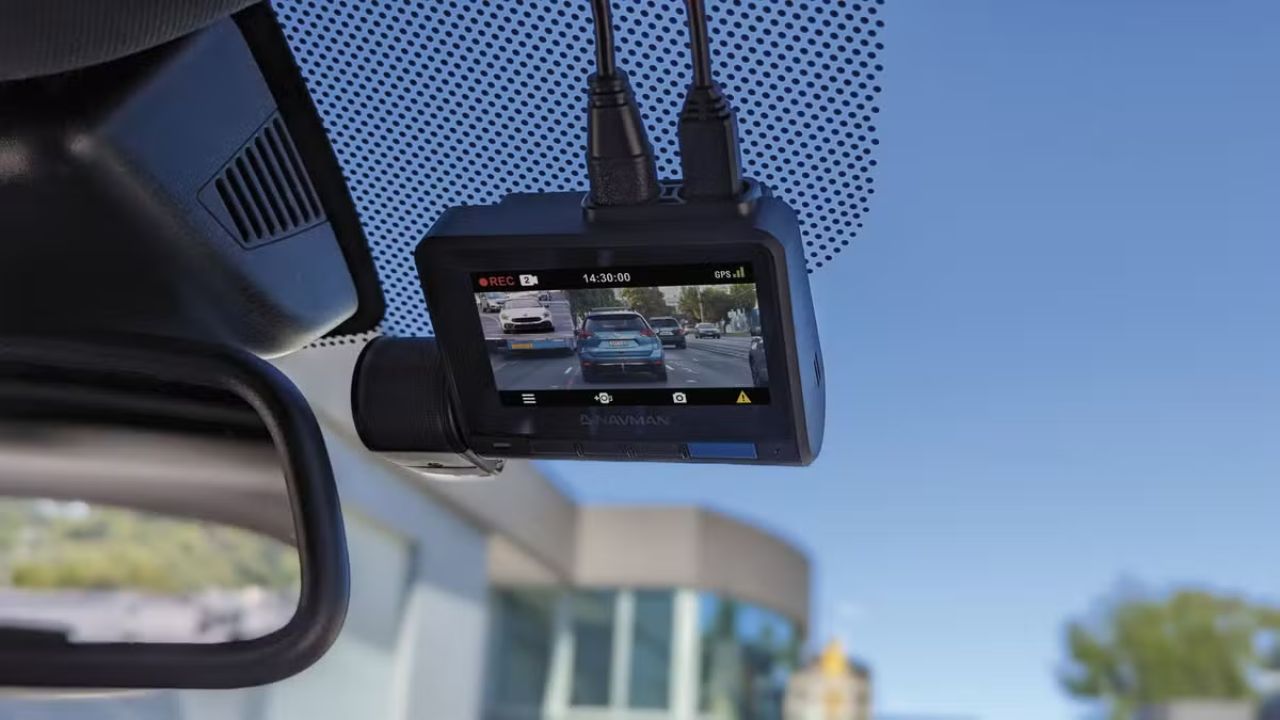
The popularization of dashboard cameras — known as dashcams — also marked 2025 as the year of digital safety. With 4K resolution, a wide-angle lens of up to 170°, night vision, impact sensors, and automatic recording upon starting the car, these devices have become essential for those driving in large cities.
Besides recording accidents and preventing fraud, dashcams serve as a “black box” for the vehicle, protecting the driver in legal disputes or issues with insurance companies. Versions with Wi‑Fi allow users to view or save videos directly on their phones, and the affordable prices — ranging from R$ 400 to R$ 1,200 — helped solidify this item as one of the best-sellers of the year.
LED Lighting: More Visibility and Style
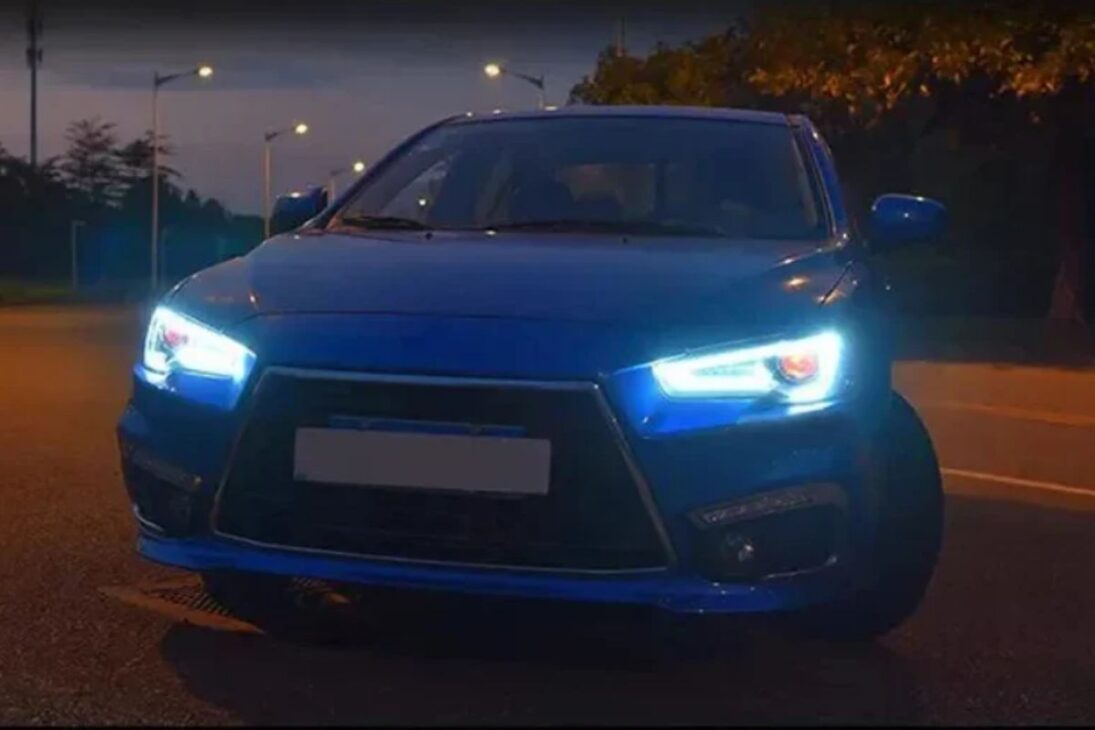
Replacing traditional bulbs with LED kits has transformed the look of cars on Brazilian streets. However, the success of LED bulbs is not just due to aesthetics. They illuminate better, consume less energy, and have a significantly longer lifespan than halogens — in some cases, up to ten times more.
This type of accessory provides greater safety on poorly lit roads, during rain or fog, and reduces the risk of electrical failures related to overheating. The installation, although straightforward, requires caution: using non-certified LEDs can cause glare to other drivers and result in fines. Thus, the demand for specialized workshops and certified kits has also increased. The investment pays off: the car gains a modern appearance and efficient lighting for a relatively low cost.
Parking Sensor: Maneuvers Without Surprises
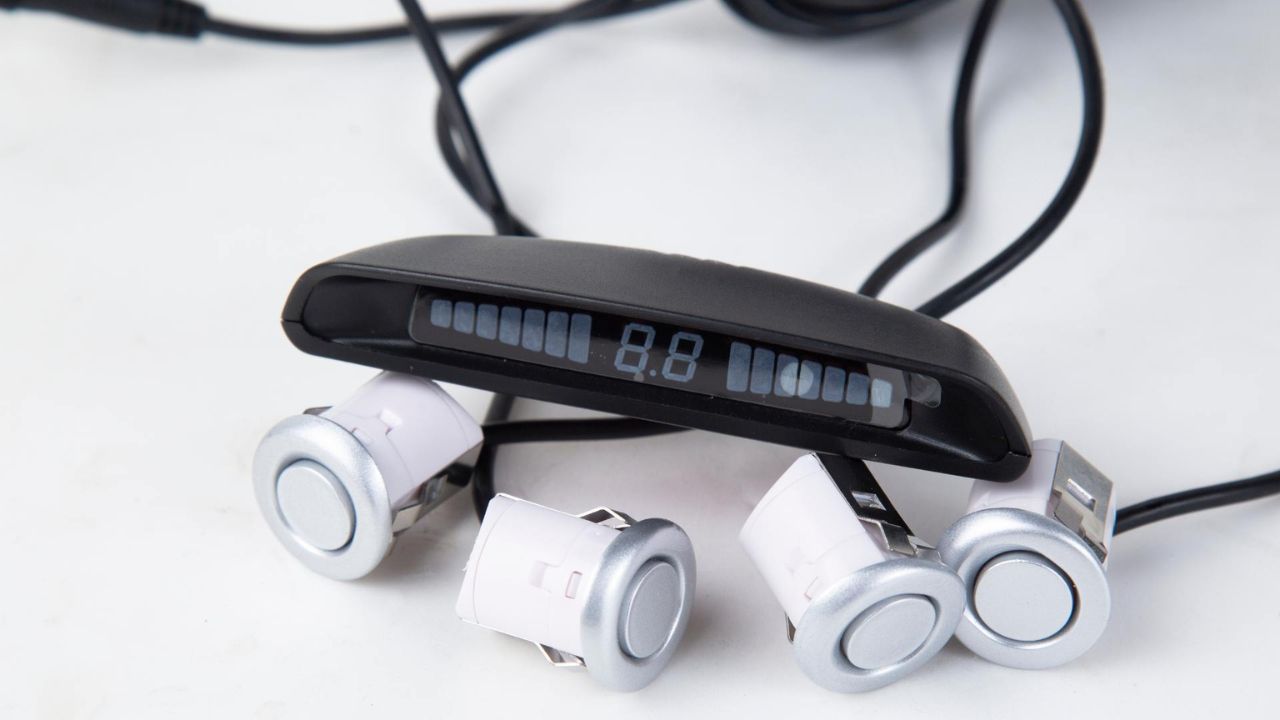
With urban traffic becoming increasingly tight and parking spaces getting narrower, the parking sensor has transitioned from luxury to necessity. The best-selling models in 2025 come equipped with front and rear ultrasonic sensors, progressive audible alerts, and even a digital display showing precise distance to obstacles.
Entry-level cars generally do not offer this item as standard equipment, which explains the growth in sales of standalone kits, with prices starting at R$ 300. Installation has also evolved: many sensors can be painted the same color as the body and integrated discreetly into the bumper, ensuring efficiency and a professional look. For those who drive daily, the sensor pays for itself in no time — just avoiding one or two scratches justifies the investment.
Wireless Charger: Practicality in Daily Life
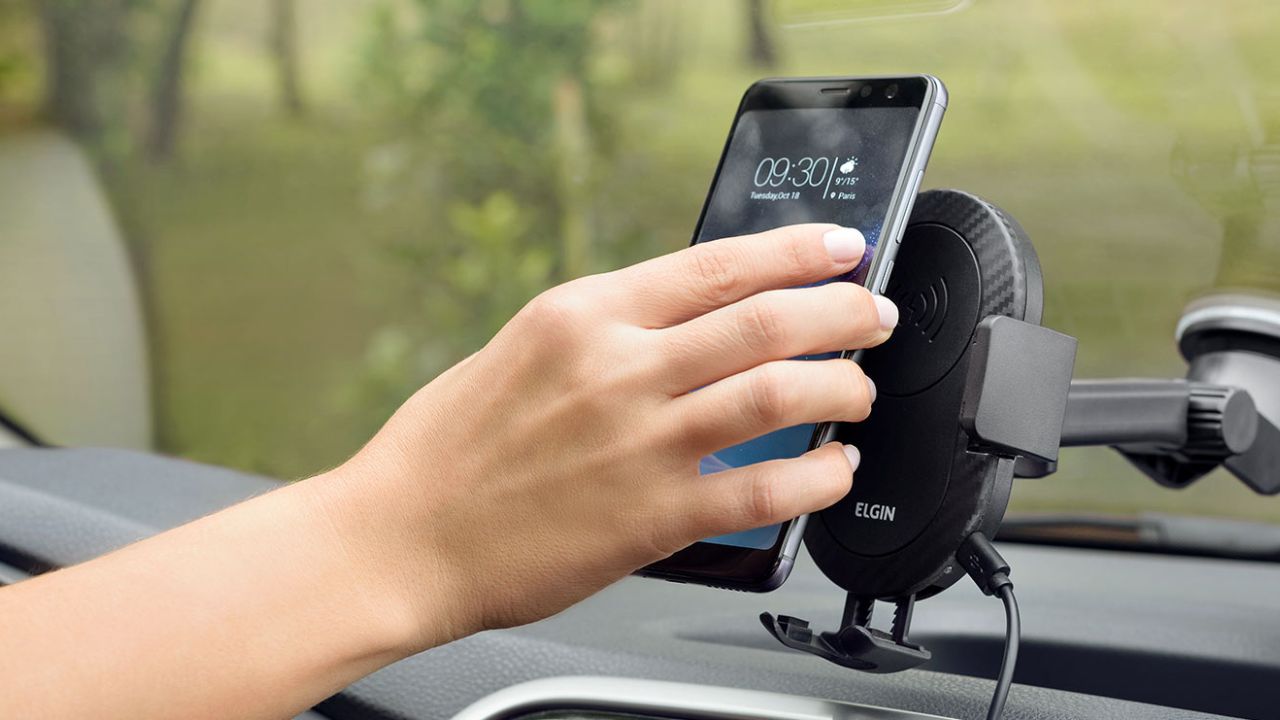
With cell phones taking on multiple functions inside the car — GPS, music, messages, calls, social networks — keeping the battery charged has become a matter of survival. Wireless induction chargers have gone from being a trend to a standard in 2025, with models compatible with most smartphones and features like internal ventilation, adjustable support, and compatibility with protective cases.
In addition to the practicality of not dealing with cables, the wireless charger helps keep the dashboard organized and prevents distractions. Priced between R$ 150 and R$ 300, they have gained popularity among both ride-hailing drivers and regular users, and today are almost a must-have in any vehicle that is driven for more than an hour a day.
Accessories That Make a Difference
The success of these five accessories shows how Brazilians are increasingly attentive to the driving experience — and how the car has become an extension of their lifestyle. It’s not just about getting from point A to B: it’s about how you go, what you listen to, what you see, what you avoid, and how you feel while driving.
These items are helping to create safer, smarter, and more enjoyable vehicles to use — all at a cost that fits the budget and often adds value to the car upon resale. For those not planning to change cars yet, they represent a real, effective, and modern solution.
If investing in accessories was once seen as a luxury, today it is one of the most practical and intelligent ways to transform daily commutes — with more safety, style, and efficiency.