Portuguese
  Spanish


New Toyota 4Runner Hybrid SUV Is Registered in Brazil and May Change the Scenario for Large Utility Vehicles by Bringing Together Technology, Power, Hybrid Engine, and Advanced Safety Features; Model Promises to Influence Competition and the Public in the Segment.
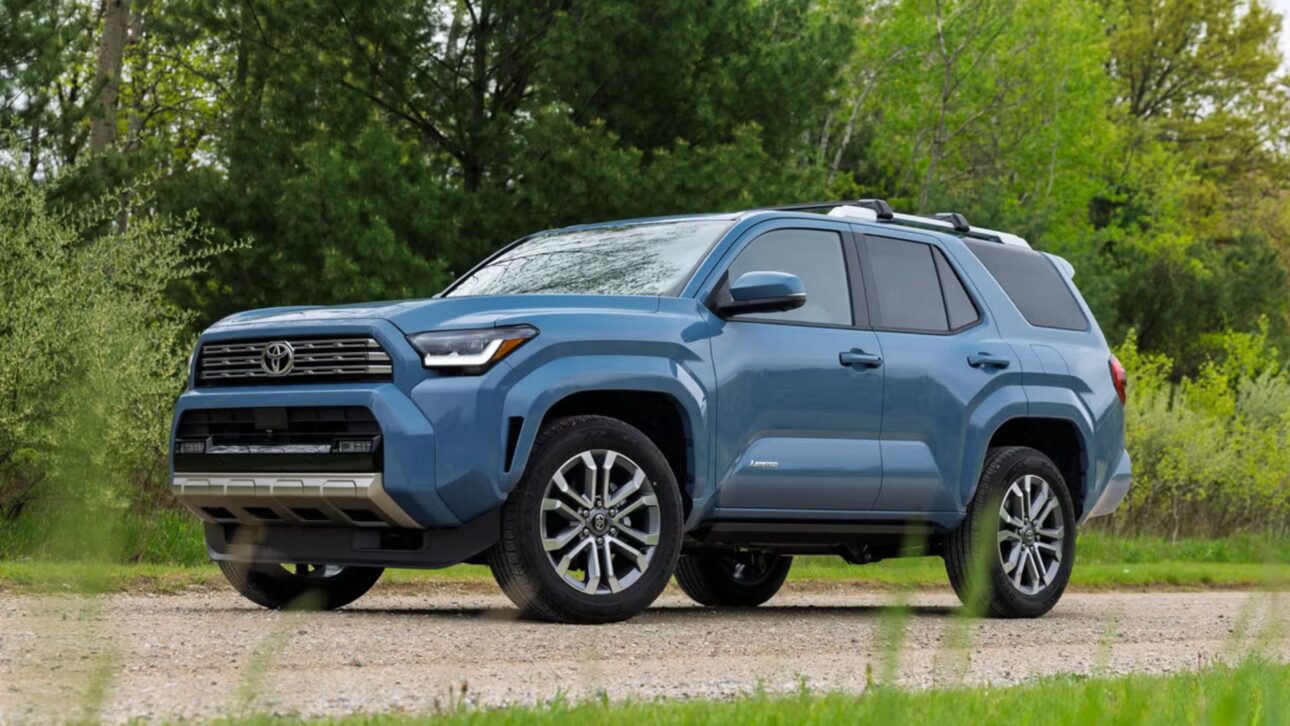
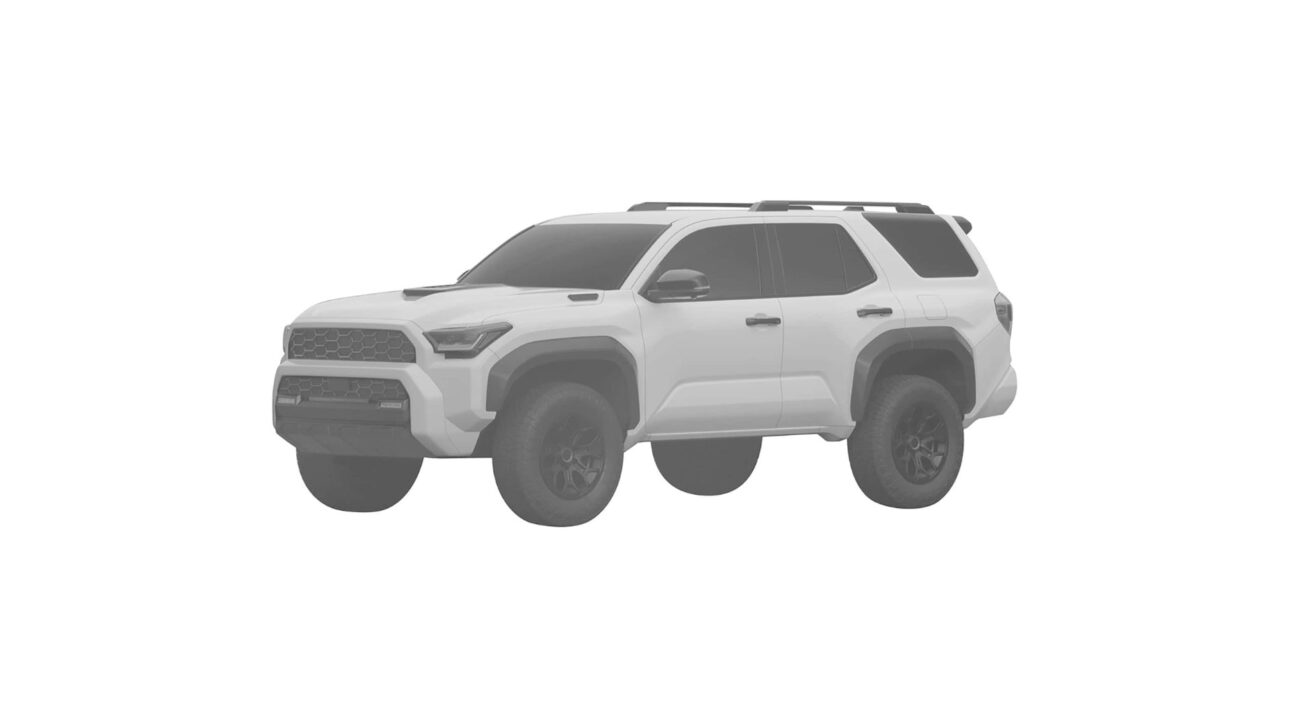
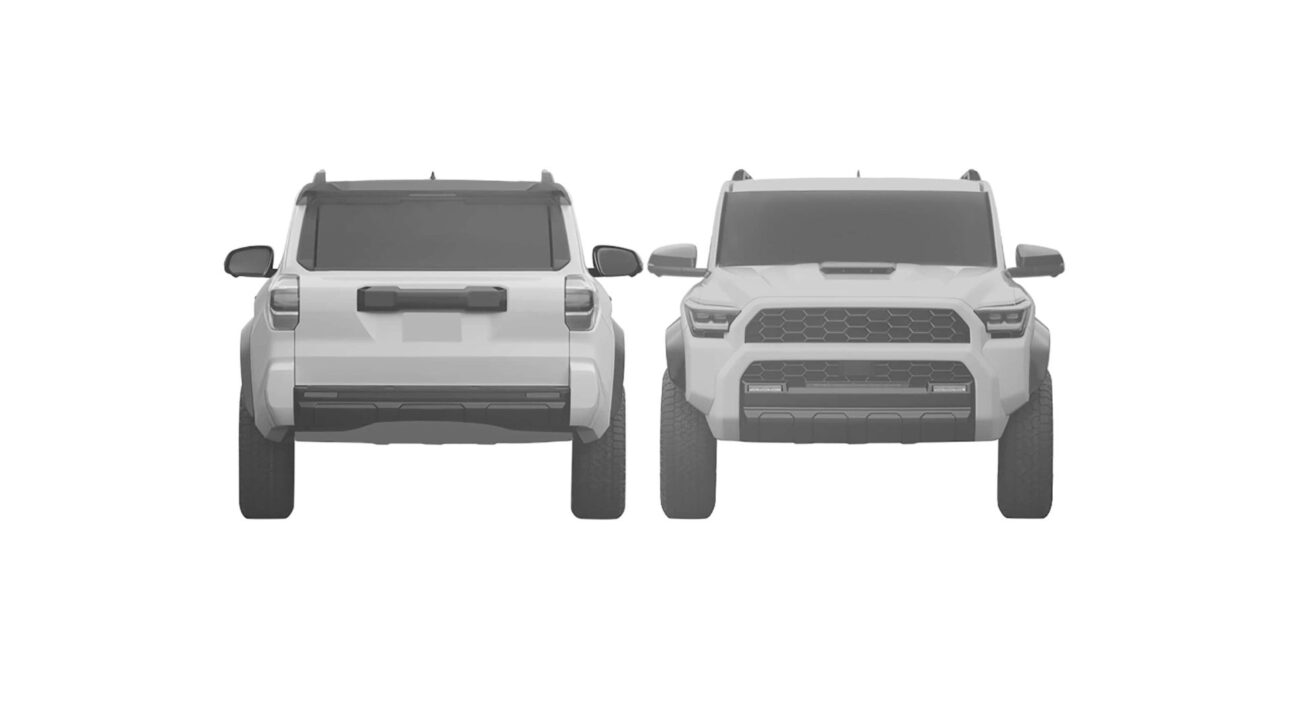
Toyota has officially registered the design of the 4Runner, a large SUV, at the National Institute of Industrial Property (INPI) in Brazil, a move that comes amid recent changes in the tax policy for the Brazilian automotive sector.
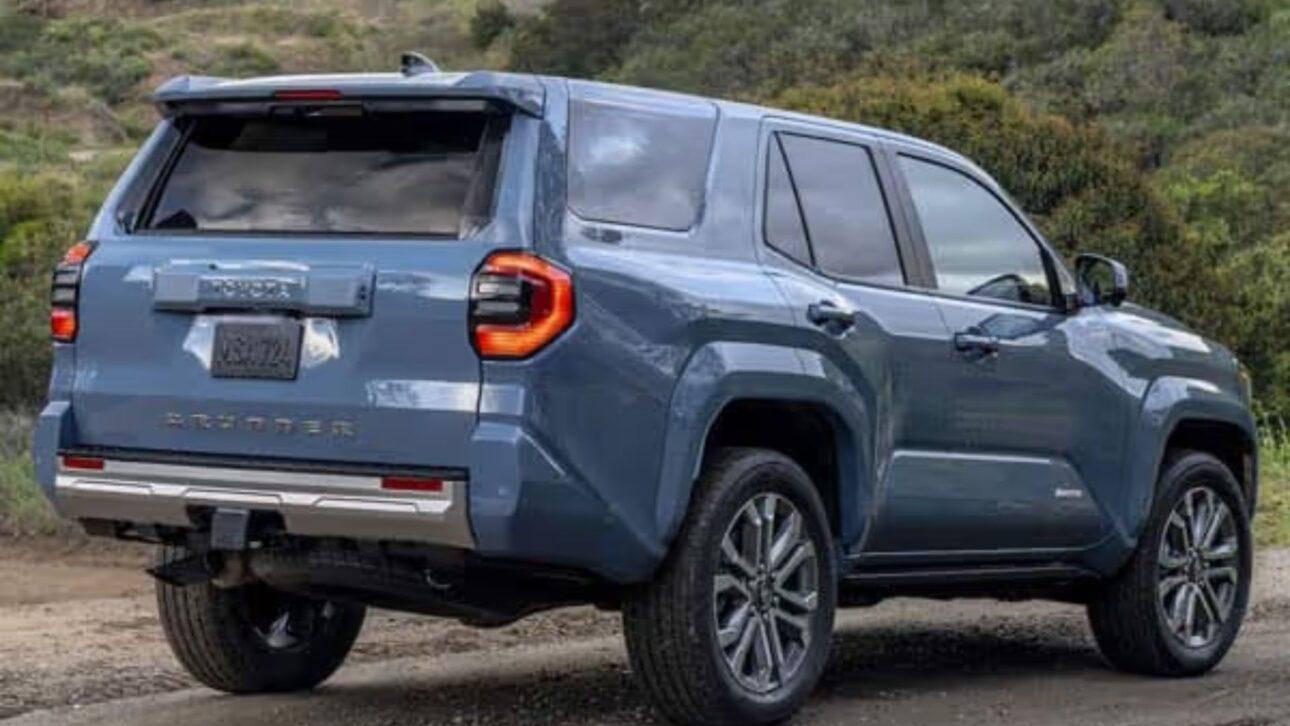
The model, which is sold in the United States with gasoline and hybrid engines, stands out for bringing together cutting-edge technologies, a robust mechanical set, and the potential to compete directly with traditional vehicles in the segment, such as the Toyota SW4.
Registration of the Toyota 4Runner in Brazil and Tax Scenario
The registration of the 4Runner occurs in a scenario of new rules for the Industrialized Products Tax (IPI), defined by the Federal Government in June 2025.
-
Toyota Corolla Hybrid Achieves 17.5 km/l in City with Self-Charging System and Regenerative Braking, Offering a Spacious and Quiet Ride Without Needing a Plug

-
Land Rover Issues Recall for Airbag Connector Fault Affecting 250,857 Vehicles in the US, Alerting Drivers in Brazil for Official Notice

-
Brazilian Electric Motorcycle Once Promised 180 km Range and Affordable Price, Now Faces Uncertain Future Amid Delays and Manufacturer’s Bankruptcy
-
Chery Stockman 2026 Unveiled: Larger Than Toyota Hilux, Featuring Unique Plug-In Hybrid Diesel Engine, 3.5 Ton Towing Capacity, and 1,000 kg Payload to Challenge Traditional Off-Road Trucks


These norms, which are part of the Sustainable Car Program, aim to stimulate the electrification of the Brazilian fleet, forecasting higher taxation for vehicles powered exclusively by diesel and lacking electric components.
In light of this change, hybrid vehicles like the Toyota 4Runner gain a competitive advantage, as hybrid engines pay less IPI than diesel models, such as the Toyota SW4.
Features of the 2025 Toyota 4Runner
The 2025 Toyota 4Runner was unveiled in the United States in 2024, marking the first complete renewal of the SUV in over a decade.
The model adopted the I-Force Max set, which combines a 2.4 turbo gasoline engine with a 48 hp electric motor, providing combined power of 330 hp and torque of 64.3 kgfm.
In the conventional configuration, running on gasoline only, it delivers 282 hp and 43.8 kgfm.
The 8-speed automatic transmission replaced the old 5-speed gearbox, bringing more efficiency and performance.
TNGA-F Platform and Versatility of the Hybrid SUV
Another differentiator of the new 4Runner is the use of the TNGA-F platform, a modular architecture already well-established in Toyota’s range of sports utility vehicles and pickups, such as Tacoma, Tundra, Land Cruiser Prado, Land Cruiser 300, and Sequoia.
This base allows for different types of traction—rear, 4×2, partial or full 4×4—depending on the version.
Configurations with rear traction feature a limited-slip differential, while the 4×4 versions receive a two-speed electronic transfer case, active traction control, and the new automatic disconnection system for the stabilizer bar, which optimizes wheel articulation on trails.
The 4Runner also offers a 32-degree approach angle and a 24-degree departure angle, attributes that favor off-road use.
These technical characteristics bring it closer to other sports utility vehicles derived from pickups, such as the Ford Everest, marketed in Argentina with a 2.3 turbo gasoline engine delivering 300 hp, 45.5 kgfm of torque, a 10-speed automatic transmission, and 4×4 traction.
Technology, Interior, and Safety Sense Package
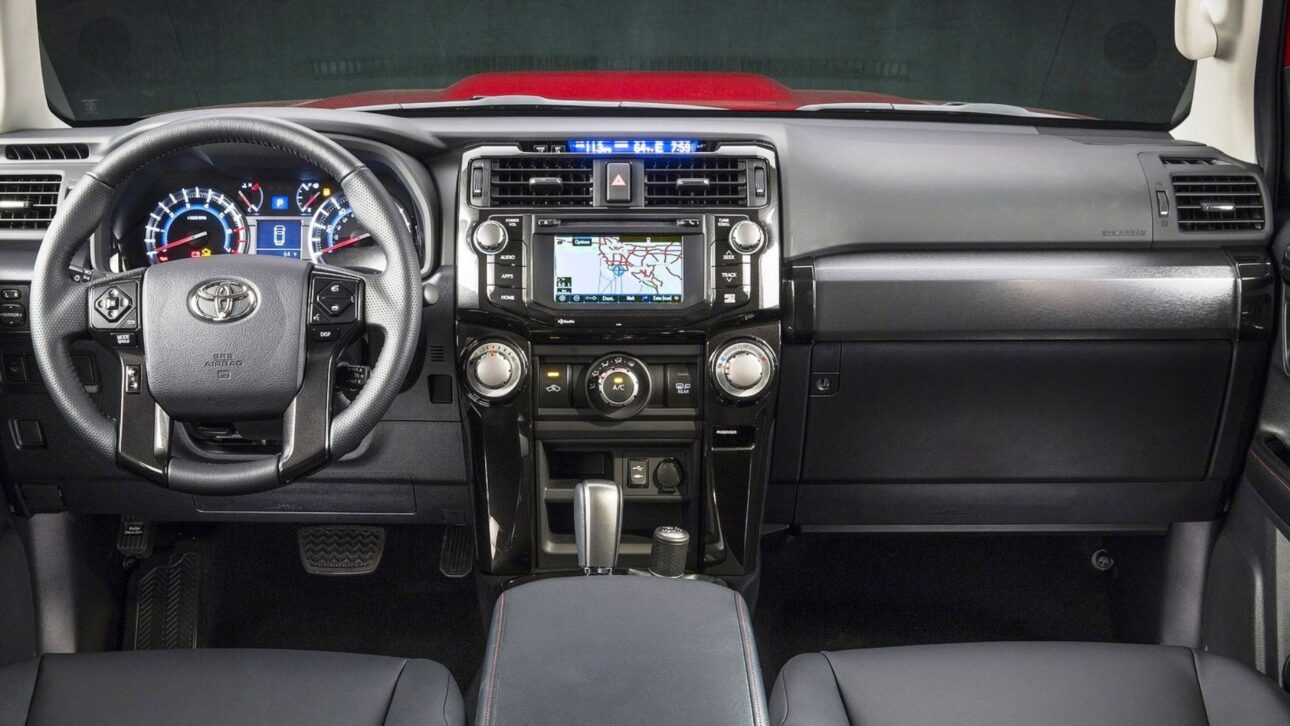
Regarding the interior, the 2025 Toyota 4Runner has been modernized to meet the profile of consumers seeking connectivity and safety.
The entry-level versions offer an 8-inch multimedia center and a 7-inch digital panel, while the higher configurations have screens of up to 14 inches.
All models come standard with the Toyota Safety Sense 3.0 package, which includes automatic emergency braking with pedestrian detection, adaptive cruise control, lane-keeping assist, traffic sign recognition, and automatic high beams.
Brazilian Market and Possible Direct Competition with SW4
Toyota’s strategy for the Brazilian market has not yet been officially detailed by the automaker.
The design registration may aim solely to protect the intellectual property of the vehicle’s visual appearance, preventing unauthorized copies, but it also raises speculation about a possible entry of the model in the country.
Considering the new IPI rules, the Toyota 4Runner hybrid emerges as an interesting alternative in light of rising taxes on diesel utility vehicles, such as the SW4.
SW4 Leadership and Impact of New Rules
Currently, the Toyota SW4 is the sales leader in the segment of SUVs derived from medium pickups in Brazil, largely due to the diesel engine and 4×4 traction, as well as its loyal customer base that values robustness, off-road capability, and a reputation for durability.
However, the new tax legislation may influence market behavior, stimulating the demand for hybrid options that reconcile performance, fuel economy, and emissions reduction.
Prices, Platforms, and Trends in the Hybrid SUV Segment
The price of the Toyota 4Runner in the United States varies by version, and the expectation is that, if it is to be sold in Brazil, the price will be above the segment average, due to the high tax burden and equipment standards.
For comparison, the Toyota SW4 currently costs between R$ 412,190 and R$ 469,890 in the national market, while the Ford Everest, its main competitor in other South American markets, has not yet been officially sold in Brazil.
Another relevant point is the flexibility of the TNGA-F platform, which allows the 4Runner to receive future mechanical and technological updates, aligning the model with global trends in electrification and automotive connectivity.
The Toyota Safety Sense 3.0 package reinforces the brand’s commitment to safety, an aspect valued by consumers and regulators worldwide.
Future of the Hybrid SUV Segment in Brazil
In the current context of the automotive sector, marked by the transition to more sustainable and efficient models, the arrival of a large hybrid SUV like the Toyota 4Runner in Brazil could represent a strategic response from the automaker to new regulatory demands and the growing demand for less polluting vehicles.
The future of the SW4 in this scenario remains uncertain, but Toyota’s movement indicates attention to market transformations and the need for constant innovation.
With the current tax changes and the advance of hybrid and electrified vehicles, to what extent are Brazilian consumers ready to shift from traditional diesel engines to new technologies in large SUVs?