






 Portuguese
  Spanish



Toyota Admits Failures in Safety Testing and Halts Production of Three Models. Learn How the Homologation Scandal May Affect Consumer Confidence and Competitiveness
“We apologize to our customers, car enthusiasts, and all stakeholders for the issues occurring within the group.” Toyota’s president, Akio Toyoda, used these words to make a public ‘mea culpa’ amidst the scandal of fraudulent homologation tests that have been tarnishing the reputation of the Japanese corporation for months.
The statement from the Toyota executive, which took place last Monday in Tokyo, was accompanied by a new partial shutdown at its factories in Japan. The company announced it would temporarily suspend production of the Corolla Fielder, Corolla Axio, and Yaris Cross models. This move responds to a measure from Japan’s Ministry of Land, Infrastructure, Transport, and Tourism.

The Toyota Homologation Testing Scandal
As reported by NHK, irregularities affected seven Toyota models, although four of them were no longer in production. Authorities state that shipments of the mentioned models will be suspended until they can be proven to comply with all national regulations for circulation. It is worth noting that this situation does not affect markets such as the Spanish or North American.
-
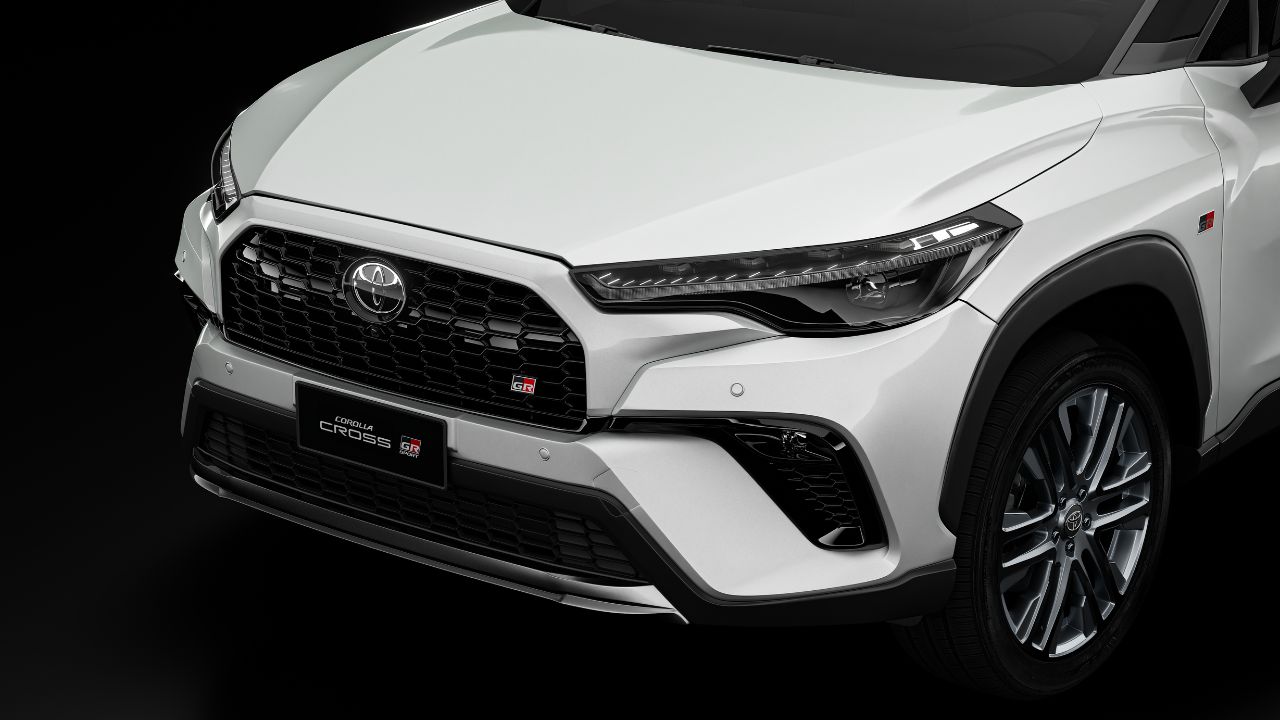
2027 Toyota Corolla Cross Unveiled: New Design, Enhanced Fuel Efficiency, Reduced Maintenance Costs, Advanced Technology, Connected Services, and Up to 10-Year Warranty

-
Fiat Cronos Precision 2018: Affordable Sedan with Spacious Trunk and Reliable Maintenance
-
Volkswagen to Cut Production by 1 Million Cars by 2030, Reducing Jobs and Platforms, Focusing on More Profitable Models

-
European Parliament Approves Digital Euro, Aiming to Challenge Visa and Mastercard’s Dominance and Transform Payments Across Europe by 2029



Despite the recent measures, owners of Toyota cars will be able to continue using them normally. The company has not issued any recall notice and assures that there are no safety or performance issues. However, Transport Minister Tetsuo Saito did not hesitate to classify the situation as “regrettable” and added that it “undermines user confidence.”
Homologation Issues
The homologation issues at Toyota include the use of inadequate or outdated data in crash tests, incorrect airbag functionality tests, and damage to rear seats during collisions. Irregularities were also found in engine power tests. Homologation, we remember, is essential for vehicles to enter the market.
Currently, the Japanese regulations stipulate that various procedures must be carried out during the development of the automobile. This dynamic, according to analysts consulted by the Japanese newspaper The Mainichi, can increase the development times of a vehicle. The consequence? It could translate to reduced competitiveness, especially against Chinese options.
Comparison with the Chinese Industry
The mentioned newspaper notes that Japanese manufacturers typically require about five years to create a new model. The Asian giant Toyota, on the other hand, can complete the development of a vehicle in approximately one year. The dizzying pace that the industry is acquiring may be one of the factors leading manufacturers to make missteps.
And we are talking about several because Toyota is not the only company involved in homologation irregularities. Manufacturers like Mazda and Honda are also facing similar issues, being forced to suspend production of some of their models. We will have to wait and see how this complex situation evolves.









Hillux é muito fraca os **** levam 10 segundos pra intra pra dentro de uma Hillux não tem seguranças