






 Portuguese
  Spanish


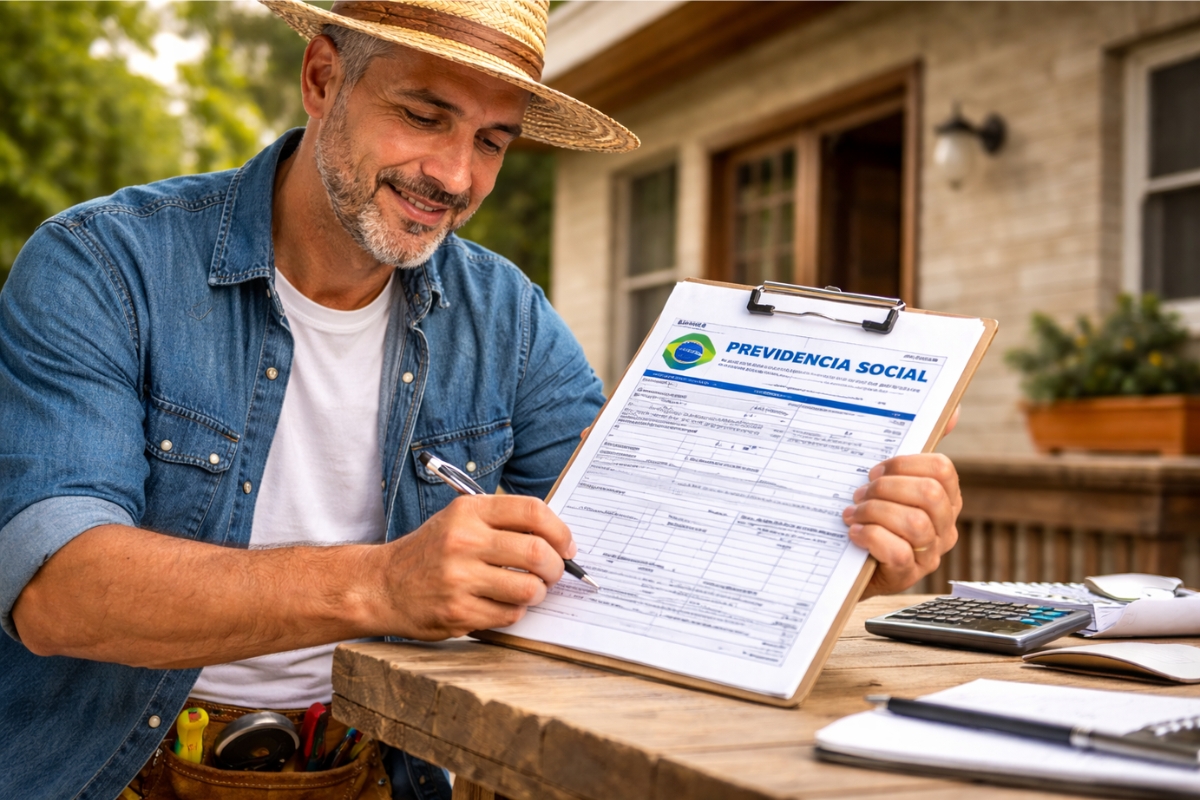


Rule Allows Voluntary Monthly Payments and Opens Path for Future Benefits
Millions of Brazilians work independently, take odd jobs, or work without formal contracts, believing that this prevents any chance of retirement. This perception does not correspond to reality.
The social security system allows the informal worker to contribute voluntarily, even without an employment relationship. Thus, they gain access to benefits and social protection in the future.
The lack of information causes many people to fall outside the system and miss years that could count towards retirement.
-
Court Upholds Just Cause Dismissal of Employee for Posting Social Media Videos During Work Hours

-
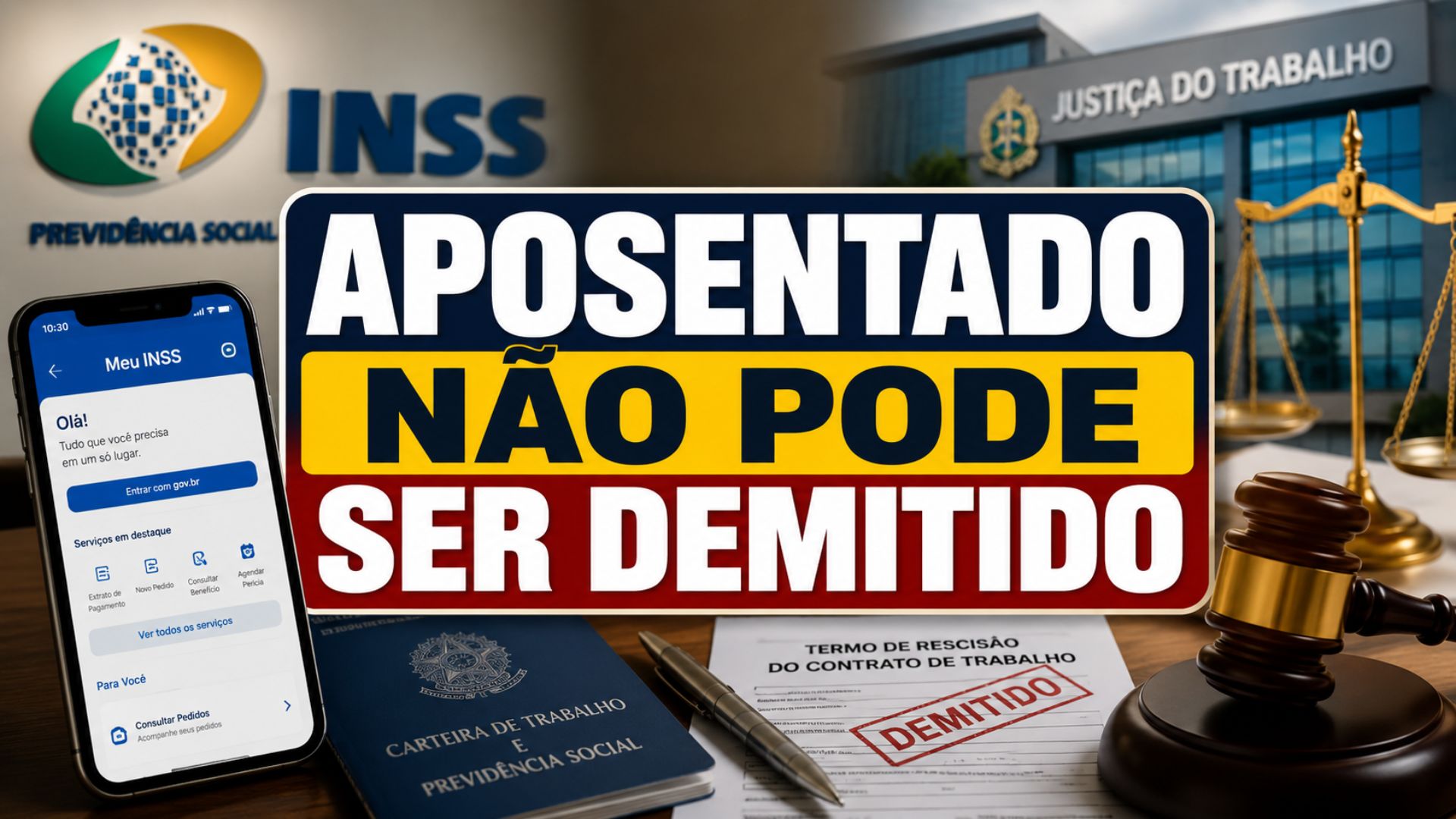
Dismissing a retired worker or one eligible for retirement constitutes ageism and creates a duty to compensate: a unanimous decision by the TRT mandates reinstatement to employment, payment of back wages, and upholds compensation of R$ 15,000 for discrimination.

-
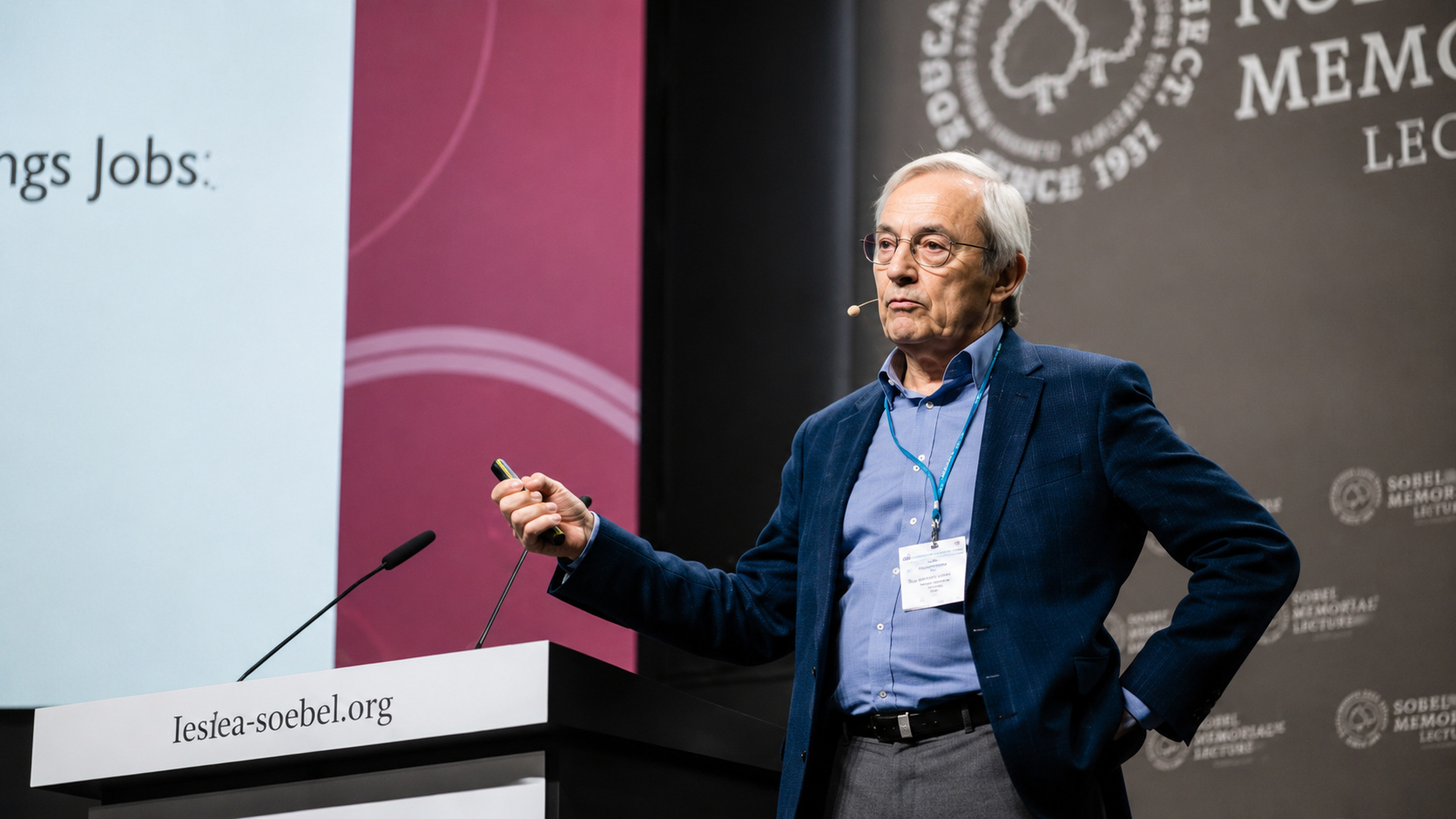
Work less and produce more? Nobel Prize in Economics explains why shorter workdays can increase productivity

-
Unions are growing again in Brazil after more than a decade, but they face an urgent challenge to win back digital workers and maintain relevance.


What Happened and Why It Caught Attention
The growth of informal work increased the number of people without regular contributions to social security. At the same time, interest in ways to ensure income in old age has grown.
The possibility of voluntary contributions gained prominence because it offers a real alternative for those without formal contracts who want to protect themselves.
This includes everyone from freelancers to those who sell products or services independently.
Who Is Considered an Informal Worker
This category includes those without formal employment relationships but who engage in paid activities. This applies to freelancers, service providers, and self-employed individuals.
Even those working occasional jobs can fall into this category, as long as they do not have a formal job record.
The key point is that the absence of a formal contract does not prevent contributions.
How Voluntary Contributions Work
The informal worker can sign up as an individual or optional contributor. Contributions are made monthly, via a payment slip.
The amount paid defines the type of benefit in the future. Lower contributions guarantee a minimum retirement, while higher amounts increase the benefit calculation.
The regularity of payments is essential to maintain rights.
What Changes Practically for Contributors
By contributing, the worker starts to accumulate time towards retirement and can access benefits such as disability assistance and survivor pensions.
This brings more security in difficult times and reduces exclusive dependence on income from informal work.
Even modest contributions already create a safety net.
Points of Caution Before Starting
Choosing the correct contribution category avoids future problems. Contributing incorrectly can limit access to certain benefits.
It is also important to keep payments up to date. Prolonged interruptions can affect the counting of time.
Planning and information can make a difference in the final outcome.
What Can Happen From Now On
With more information, the trend is for an increase in informal workers joining social security.
Those who start contributing earlier enhance their chances of ensuring income in the future, even without a formal employment history.
The central point is clear: working without a formal contract does not prevent retirement, as long as there are voluntary contributions.
Understanding this possibility changes life planning and avoids unpleasant surprises in the future.






Como faz para oficializar o trabalho informal? Como faz para conseguir o décimo terceiro e outros beneficios???