






 Portuguese
  Spanish


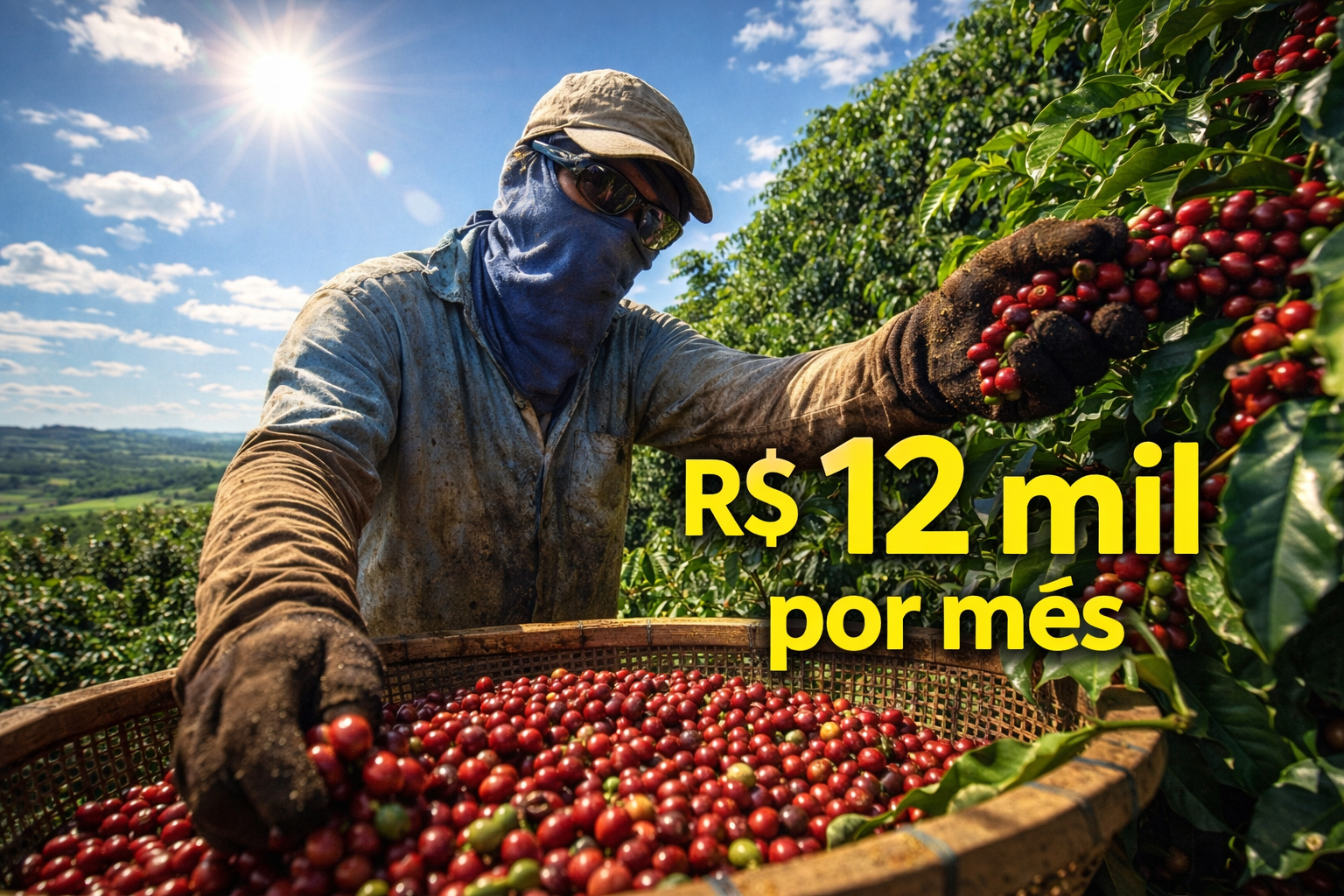


During The Harvest, Workers Concentrate High Income But Face Physical Wear, Informality, And Instability
A video circulating on social media reignited an old debate in Brazil: how much does a harvest worker really earn?
According to the report, during the peak of the harvest, there are temporary rural workers who manage to earn between R$ 10 thousand and R$ 12 thousand per month. The amount is impressive — especially in a country where millions survive on less than a minimum wage.
But what almost never appears in the short video is the physical, social, and labor costs behind that money.

Who Are The Harvest Workers And Why Do They Earn So Much In Such A Short Time
Harvest workers, also known as migrant workers or temporary rural workers, mainly work during planting and harvesting seasons of crops such as coffee, sugarcane, soybeans, oranges, and cotton.
-
Brazil’s 2026 Tax Refund: Record 9.58 Million Filers in Largest Payout Ever, But a Key Detail on Priority Recipients Draws Nationwide Attention

-
Itaú Alters Hybrid Work Model, Increasing Office Days from 2028, Prompting Employees to Adjust to New Routine
-
Facing Labor Shortage, Japan Plans to Invest $34 Million to Attract Foreign Workers in Construction, Healthcare, Industry, and Commerce

-
Brazilian City Makes Remarkable Leap, Becomes 4th Wealthiest in the Country with GDP of R$ 134.1 Billion




Unlike formal monthly jobs, the high earnings happen due to some combined factors:
- payment per production (sack harvested, ton cut, meter worked);
- long hours, often exceeding 10 hours a day;
- few days off during the harvest;
- high labor demand in short periods.
In just a few weeks, some workers manage to concentrate an income that many Brazilians would take months or even a year to achieve.
The Money Comes Fast — But Doesn’t Last All Year
Here’s the point that almost never makes headlines: the work is seasonal.
The harvest ends.
The payment ends.
The job ends.
In many cases, the worker has a few months of high income and then faces long periods without stable work, relying on “gigs,” new harvests, or informal assistance.
That is: the high monthly amount does not mean annual financial stability.
However, it is important to emphasize that planting and harvesting vary depending on the crop, and there is work in many months of the year, depending on the production state.
Heavy Work, Strong Sun, And Extreme Wear
The physical effort is intense.
Manual coffee harvesting, sugarcane cutting, working in the fields under strong sun and extreme heat are part of the routine.
It is not uncommon to find reports of:
- chronic pain;
- physical exhaustion;
- injuries from repetitive strain;
- dehydration and muscle problems.
It’s money that literally comes at the cost of sweat.
The Less Talked About Other Side: Informality And Lack Of Assistance
Despite the high one-time earnings, a significant portion of harvest workers face serious issues:
- verbal or nonexistent contracts;
- lack of formal registration;
- absence of INSS contributions;
- difficulties accessing medical assistance;
- dependence on intermediaries known as “gatos”;
- poor housing conditions in some regions.
When an accident or health issue occurs, many workers simply are left without any support.
Is It Worth Earning R$ 12 Thousand In One Month Under These Conditions?
This is the question that divides opinions.
For some, harvest work is a rare opportunity to earn quick money, pay debts, or support the family.
For others, it is a system that concentrates income in a few months and transfers all the risk to the worker.
The viral video shows only one part of the reality — the high earnings.
The complete daily life includes instability, extreme effort, and little social protection.








