






 Portuguese
  Spanish


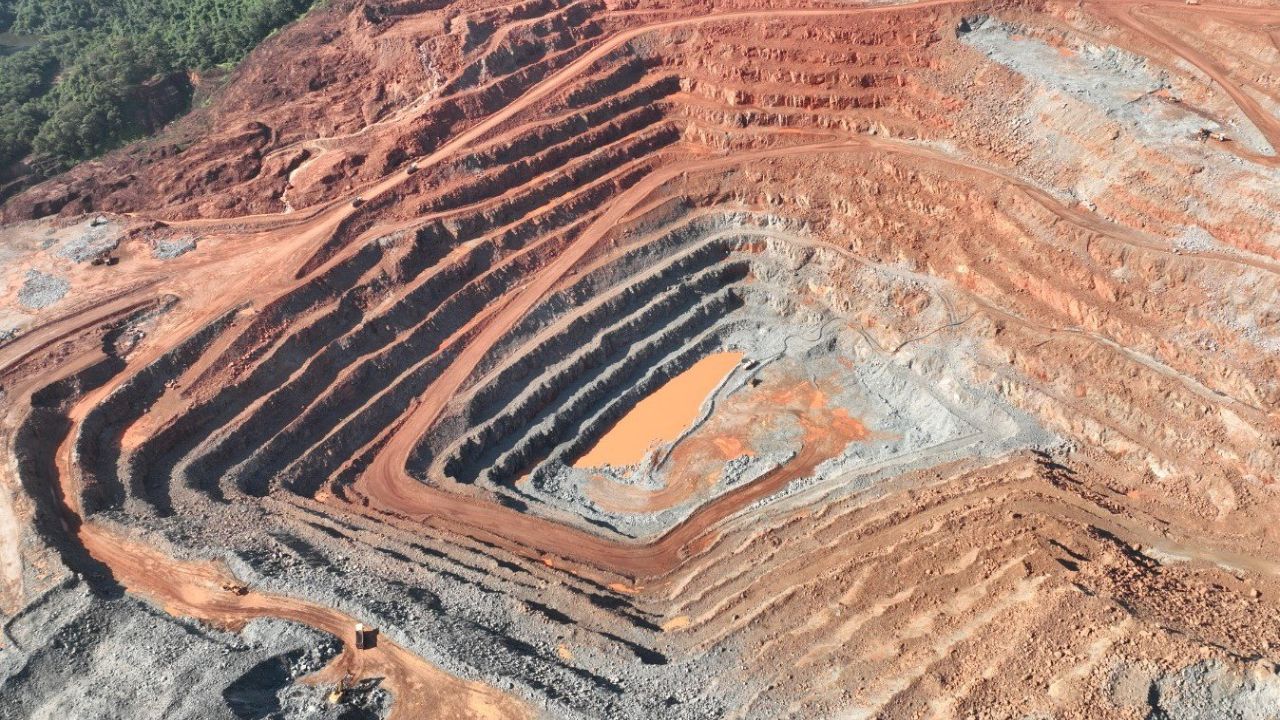


China Nonferrous Trade Co. Ltd. Acquired 100% of the Shares of the Pitinga Mine in Amazonas, Brazil’s Largest Uranium Reserve, in a Transaction That Raises Debates About Sovereignty and Nuclear Regulation
In recent days, information circulated by local and regional media has generated controversy by stating that China Nonferrous Trade Co. Ltd. (CNT), a subsidiary of the China Nonferrous Metal Mining Group Co., has acquired Brazil’s largest uranium reserve, located in the municipality of Presidente Figueiredo, in the state of Amazonas. This area is linked to the Pitinga Mine, previously operated by Mineração Taboca S.A. The case has raised debates in Congress and among experts in national security and sovereignty.
According to reports, CNT is said to have taken control of 100% of the mine’s shares, including its operational structure and mining rights. However, the lack of official confirmations from both the Brazilian government and regulatory agencies, such as the National Mining Agency (ANM), brings uncertainties about the veracity and legality of this alleged transaction.
Debate About Sovereignty and Regulation of Nuclear Resources
The exploration and commercialization of uranium in Brazil are governed by strict rules set forth in the Federal Constitution, which stipulates that the State holds the monopoly over nuclear minerals. The participation of private companies in uranium-related activities is allowed only under state control and in accordance with the guidelines of the National Nuclear Energy Commission (CNEN). Thus, the potential sale to CNT raises questions about how a strategic asset could be transferred without broad public debate and formal approval.
-
Giant 142 kg Emerald from Brazil’s Bahia Region Auctioned with Starting Bid of Nearly $16 Million

-
Study Reveals 97% of Pregnant Munduruku Women in the Brazilian Amazon Have Mercury Levels Above Safe Limits, 90% of Newborns Contaminated by Gold Mining
-
China could reduce iron ore imports from 80% to 50% of consumption by 2030, while its share in global steel production falls from 52% to 46%, in a shift that could reshape the global market, says CMRG.
-
Brazil is sitting on one of the largest lithium reserves in the world, in the Jequitinhonha Valley, but national mining has almost become an appendage of China: 97% of the metal’s export goes to a single country, which also dominates refining.


Federal Deputy Luiz Lima (PL-RJ) expressed concern in the Chamber of Deputies, highlighting the risks associated with handing over strategic resources to a foreign company. “Uranium is not just a commodity. It is an essential resource for nuclear energy production and, in military contexts, can be used in the development of weapons,” the congressman stated. He called for an immediate investigation to verify the details of the deal.
Additionally, mining and geopolitical experts warn that Brazil needs greater control and transparency in transactions involving strategic natural resources, especially in environmentally sensitive areas like the Amazon. The Pitinga Mine, although primarily known for cassiterite extraction, also houses significant reserves of other minerals of industrial and energy interest.


Lack of Official Confirmation and Future Implications
So far, the federal government and responsible agencies have not issued official statements confirming or denying the sale of the uranium reserve to CNT. This makes a careful investigation of the facts essential to avoid the dissemination of inaccurate information that may cause alarm.
If the transaction did occur, there may be relevant legal and political ramifications, as the exploration of nuclear minerals is directly linked to national security and depends on state approval. Furthermore, environmental and indigenous organizations have expressed increasing concern about the impacts of mining operations in Amazon territories, highlighting the need for more effective regulation and stringent oversight.
The CNT-Pitinga case illustrates how the control of strategic resources in Brazil is a sensitive issue that demands transparency and accountability, both from the government and the companies involved. More information about the negotiation and its possible impacts is expected in the coming days as investigations progress.





Temos que ter muito cuidado com nossa soberana, senão, daki a pouco, estarão tomando o q é nosso!