Portuguese
  Spanish



Discussions at COP30 Advance on Energy Transition, Green Industrialization, and Sustainable Fuels, While Social and Health Issues Receive New International Commitments.
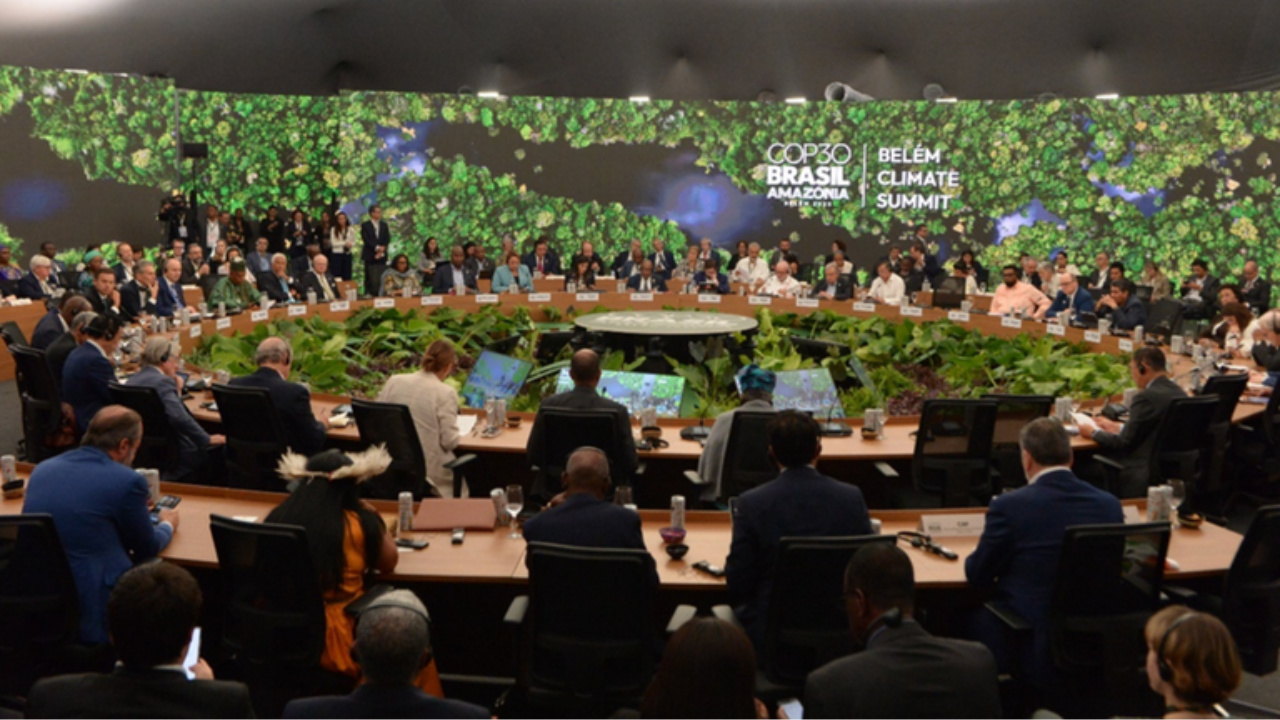
The energy transition dominates the discussions at the COP30, this Friday (11/14), the fifth day of the event taking place in Belém, Pará. With an intense agenda marked by new multilateral commitments, the event underscored the urgency of accelerating structural changes to tackle the climate crisis.
Moreover, round tables, social panels, and financial announcements expanded the reach of the negotiations, highlighting the comprehensive nature of this edition of the conference.
Discussions Highlight Green Industrialization and Cooperation for Sustainable Fuels
Early in the morning, one of the central points was the launch of the Belém Declaration, from the E+ Institute, a document aimed at accelerating green industrialization. This movement reflects the global effort to transform productive sectors and reduce dependence on polluting sources.
-
World’s Largest Engie Solar Plant in Brazil Highlights Billion-Dollar Energy Waste Issue: Company Considers Batteries and Bitcoin Mining to Avoid Wasting Production

-
Air Products Cancels $2.9 Billion Clean Hydrogen Megaproject in Louisiana, Shuts Down Arizona Unit, Highlighting High Costs of U.S. Energy Transition
-
Over 60 Tractors Take to the Streets in Lopera as Solar Parks Compete with Olive Groves, Affecting 13,000 to 100,000 Trees According to Conflicting Reports

-
Green Hydrogen Projects in Northeastern Brazil Stalled for 18 Months Awaiting Government Decree, Delaying Billions in Investments


In parallel, ministerial round tables focused on implementing the international commitment to quadruple the use of sustainable fuels over the next decade. This pact had the support of approximately 20 countries before the beginning of COP30, demonstrating its strategic importance in the global energy transition.
The discussion about alternative fuels marks a significant difference in this COP compared to previous conferences. Now, in addition to diagnostics, countries are trying to build consensus on more effective approaches to enable real changes in energy systems. Thus, the energy transition is treated as a decisive step to achieve climate targets established since the Paris Agreement.
Social Agenda Reinforces Climate Justice and Women’s Leadership
While technical discussions advanced, the social front of COP30 also gained prominence. In the afternoon, the Minister for Women, Márcia Lopes, participated in a panel on gender and climate at the Northeast Consortium space. Her agenda also included commitments aimed at climate justice, focusing on women’s and youth leadership in combating environmental racism.
These meetings continued the discussions from Thursday (11/13), when the Belém Health Action Plan was adopted, developed in partnership with the World Health Organization (WHO). The document has already received support from 80 signatories, including 30 countries and 50 partner organizations.
Another highlight was the announcement of the Climate and Health Funders Coalition, formed by more than 35 philanthropic organizations. The group committed US$ 300 million to accelerate innovative solutions, public policies, and research on urgent issues such as heatwaves, air pollution, and infectious diseases.
The president of COP30, André Corrêa do Lago, emphasized that this edition is being recognized as “the implementation conference.” According to him, the event marks the conclusion of a fundamental regulatory cycle initiated with the Paris Agreement, now allowing for the effective execution of climate policies.