Portuguese
  Spanish


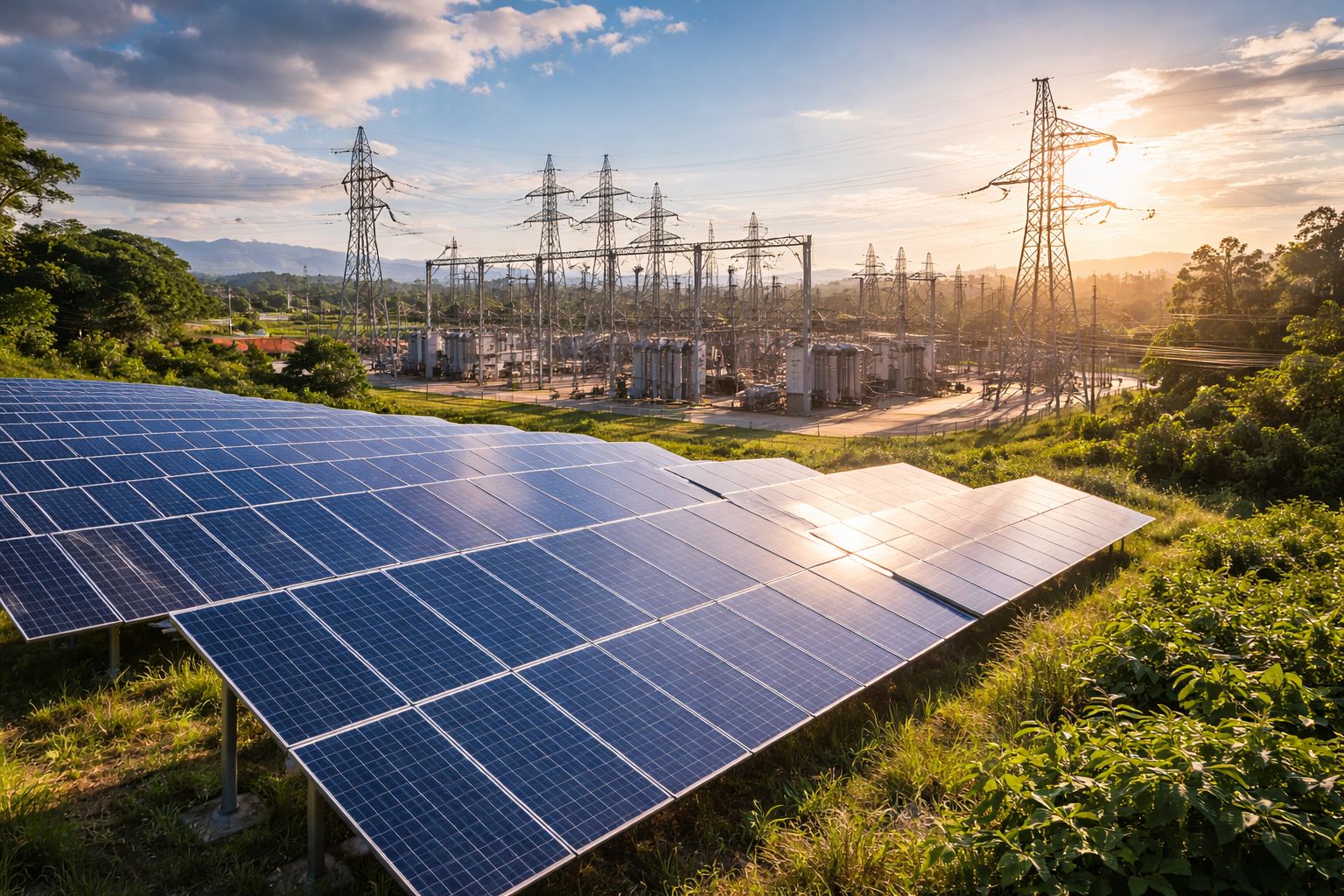

The Requirement for Periodic Disclosure of Data on Electrical Substations Places Solar Energy at the Center of Energy Planning in Roraima, Uniting Transparency, System Security, and Incentives for New Investments.
Solar energy has been gaining traction in the Brazilian energy debate. In Roraima, this movement has just taken another step forward. An approved project mandates the periodic disclosure of essential technical data for the expansion of solar generation in the state, bringing more clarity to the operation of the local electrical system.
If enacted, the new rule requires Roraima Energia to publish, every six months, information on the capacity of electrical substations. This measure aims to increase transparency and facilitate the planning of new solar energy projects, especially in a state that faces historical challenges in the electrical sector.
This advancement occurs in a particular context. For years, Roraima was the only Brazilian state outside the National Interconnected System. This condition limited investments and raised costs, making solar energy a strategic alternative to diversify the local energy matrix.
-
World’s Largest Engie Solar Plant in Brazil Highlights Billion-Dollar Energy Waste Issue: Company Considers Batteries and Bitcoin Mining to Avoid Wasting Production

-
Air Products Cancels $2.9 Billion Clean Hydrogen Megaproject in Louisiana, Shuts Down Arizona Unit, Highlighting High Costs of U.S. Energy Transition
-
Over 60 Tractors Take to the Streets in Lopera as Solar Parks Compete with Olive Groves, Affecting 13,000 to 100,000 Trees According to Conflicting Reports

-
Green Hydrogen Projects in Northeastern Brazil Stalled for 18 Months Awaiting Government Decree, Delaying Billions in Investments


Solar Energy and the Energy History of Roraima
To understand the relevance of the project, it is important to observe the energy history of the state. Until the early 2020s, Roraima heavily relied on thermal generation and energy imports. According to data from the federal government, this dependence increased electricity costs and heightened the vulnerability of the system.
With the interconnection to the National Interconnected System, the scenario began to change. Still, structural bottlenecks remained, especially regarding substation capacity and energy distribution. These limits directly affect the expansion of solar energy, both in distributed systems and larger-scale projects.
In this context, the lack of public information hindered the planning of investors and consumers. Often, solar energy projects stumbled upon previously unknown technical restrictions. The periodic disclosure of data therefore arises as a response to this historical problem.
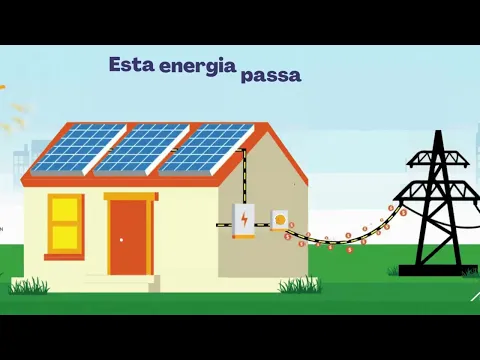

Transparency as the Basis for Solar Energy
The requirement for semiannual data publication changes the dynamics of the sector. With clear information about substation capacity, the market begins to operate with more predictability. This reduces risks and avoids misdirected investments.
According to experts in the electrical sector, transparency is a decisive factor for the growth of solar energy. Without reliable data, projects face delays, additional costs, and, in some cases, technical infeasibility. Thus, the new rule strengthens the business environment in the state.
Furthermore, residential and business consumers gain more clarity about the feasibility of installing solar systems. This stimulates distributed generation, a model that has been growing nationwide.
Solar Energy and the Role of Regulation
The growth of solar energy in Brazil has always been linked to regulatory adjustments. Since the regulation of distributed generation by the National Electric Energy Agency (ANEEL) in 2012, the sector has undergone cycles of expansion and adaptation.
In Roraima, the reality requires special attention. According to ANEEL, states with weaker systems need detailed planning to integrate new sources. In this regard, the mandatory disclosure of data strengthens local regulation by aligning transparency and system security.
Additionally, the measure connects to practices already adopted in other regions of the country, where utilities disclose technical information to guide the market. Thus, Roraima moves closer to more mature standards of energy governance.
Solar Energy as a Vector of Regional Development
The increase in transparency also impacts regional development. Solar energy represents an economic opportunity for Roraima by generating jobs, attracting investments, and reducing long-term costs.
According to federal government data, solar projects contribute to decentralizing energy production. This reduces transmission losses and strengthens local autonomy. In regions far from major centers, such as Roraima, these benefits become even more relevant.
Moreover, the expansion of solar energy aligns with the environmental agenda. By reducing dependence on thermal sources, the state decreases emissions and enhances the sustainability of the electrical system.
Technical Data and Long-Term Planning
The requirement for semiannual data disclosure creates a continuous update cycle. This allows for tracking the evolution of substation capacity over time, facilitating medium- and long-term planning.
According to experts in electrical infrastructure, decisions based on updated data reduce the need for emergency investments. Furthermore, they avoid overloads and failures in the system. For solar energy, this planning is essential because the source grows in a decentralized and rapid manner.
By making this information public, the utility also strengthens its relationship with consumers and investors. Transparency generates trust, a key element for the sustainable expansion of the sector.
Solar Energy and Electrical System Security
Another central point involves the security of the system. The integration of new solar plants requires attention to substation capacity. Without this care, the growth of solar energy could generate operational imbalances.
According to ANEEL, data disclosure helps to anticipate bottlenecks and guide reinforcements in infrastructure. Thus, the system prepares to absorb new projects without compromising stability.
In Roraima, where the electrical system has faced episodes of fragility, this measure becomes even more important. It helps to prevent future problems and sustain the growth of solar energy in an organized manner.
A New Level for Solar Energy in Roraima
The approval of the project represents more than just a bureaucratic requirement. It signals a shift in attitude regarding the management of solar energy in the state. By prioritizing data, transparency, and planning, Roraima creates stronger foundations for the expansion of the source.
According to sector analysts, measures like this tend to accelerate investments and reduce technical conflicts. Moreover, they align the state with the best national practices in energy governance.
Thus, the requirement for periodic disclosure of information about substations places solar energy on a new level. It transforms technical data into instruments of development, strengthening the security of the electrical system and paving the way for a more balanced, efficient, and sustainable growth in Roraima.