Portuguese
  Spanish


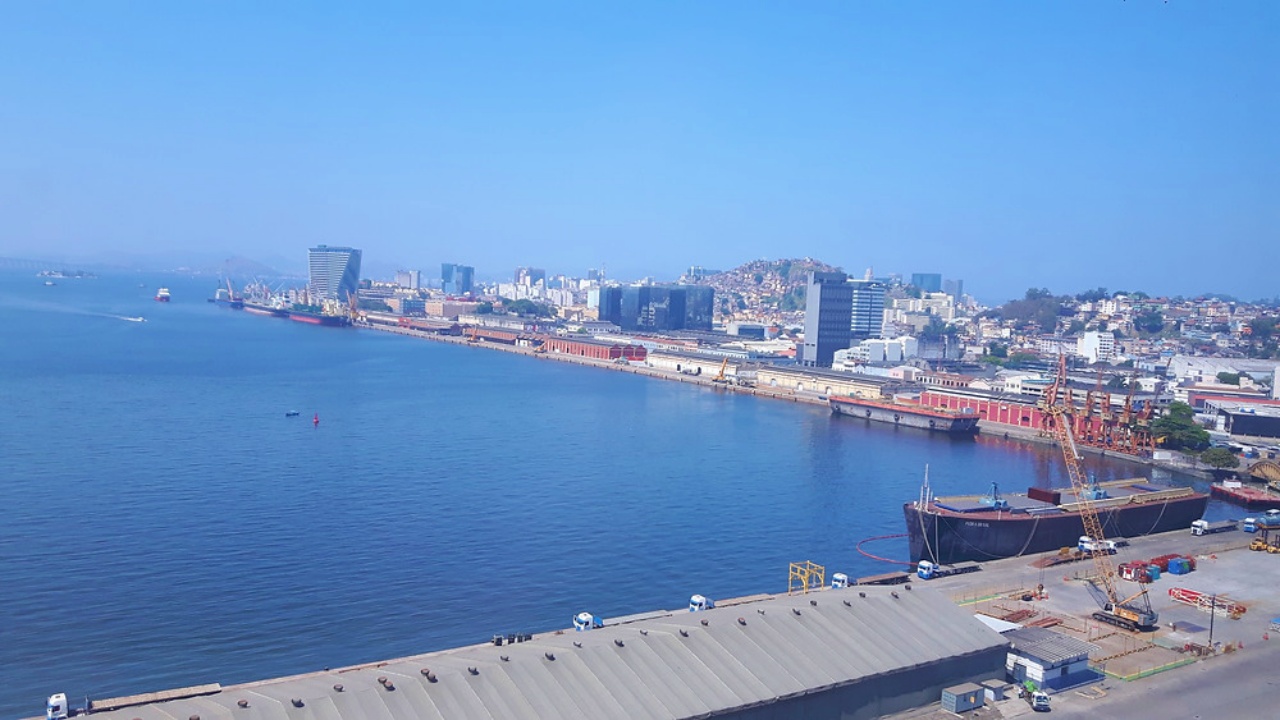

The Panel of the Regulatory Agency Indicates That Containers Highlighted in the Cabotage Transport Movement at the Port of Rio de Janeiro.
The Port of Rio de Janeiro, managed by the Companhia Docas do Rio de Janeiro (CDRJ), handled 1.163 million tons in cabotage transport during the first four months of this year, which represents 745 thousand tons more than the volume recorded in the same period last year. The growth percentage is 178.4% compared to 2022 x 2021. The data comes from the Aquatic Statistics of the National Agency for Waterway Transportation (Antaq), recently released.
The panel of the regulatory agency highlights that containers have been prominent in the cabotage transport movement at the Port of Rio de Janeiro. This upward trend in container movement, according to the Port Authority, is due to the increase in the volume of cargo transshipment.
In this case, transshipment refers to the transfer of goods arriving from abroad at the Port of Rio de Janeiro, via deep-sea navigation, and continues to the final destination at another Brazilian port through cabotage navigation. It is important to remember that cabotage refers to navigation between maritime ports of the same country, unlike deep-sea navigation, which takes place between ports of different countries.
-
They exchanged the idea of a large house for a 35 m² warehouse, spent US$ 12,000 on the structure, and created a tiny house in Colorado with space to live and work.

-
While modern cities rely on pumps and electricity, in Iran, ancient tunnels carried water through the desert using only slope and gravity.
-
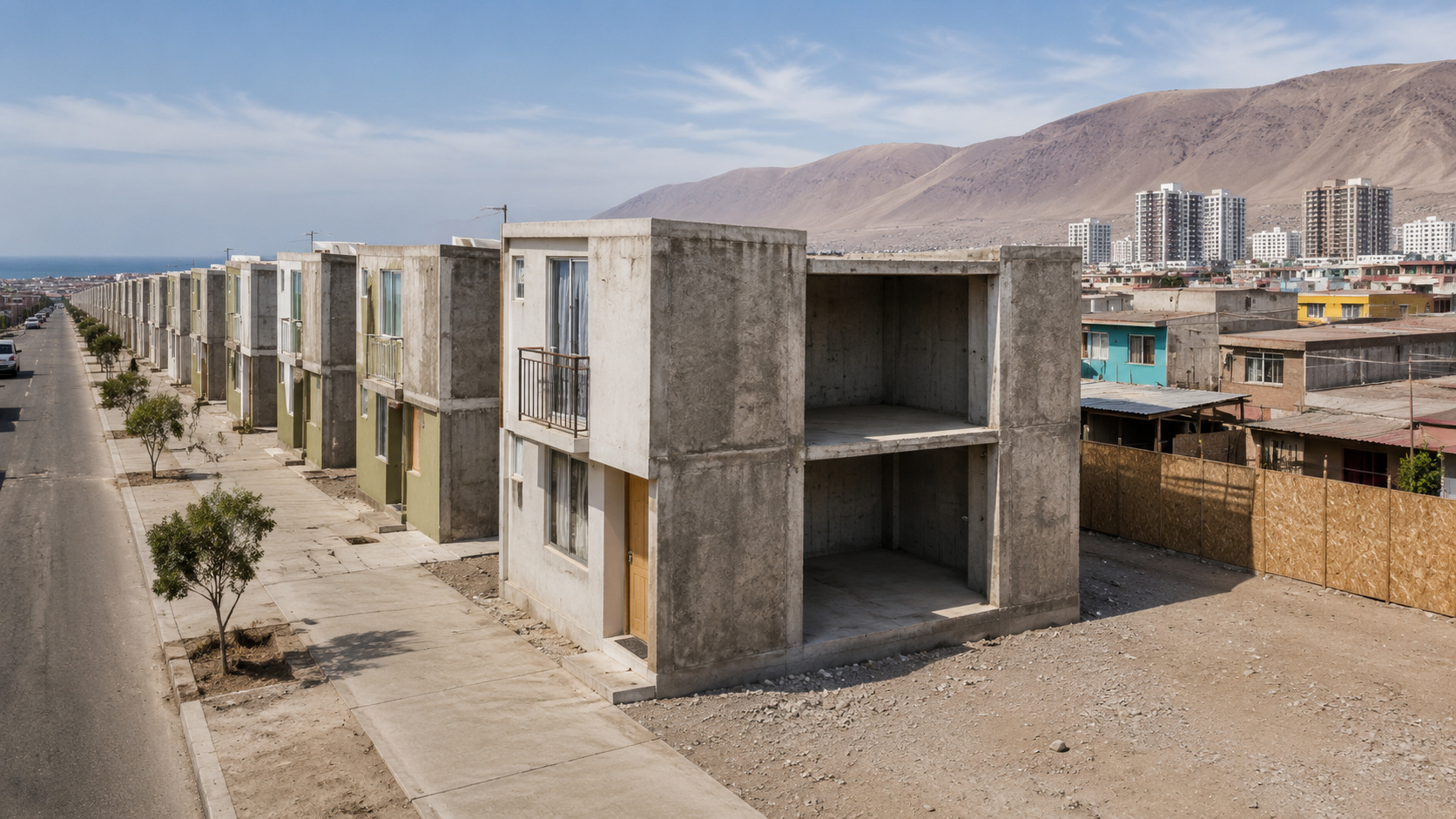
Instead of sending families far from the city, a project in Chile intentionally created incomplete houses on expensive urban land and left technical space for each to grow.
-
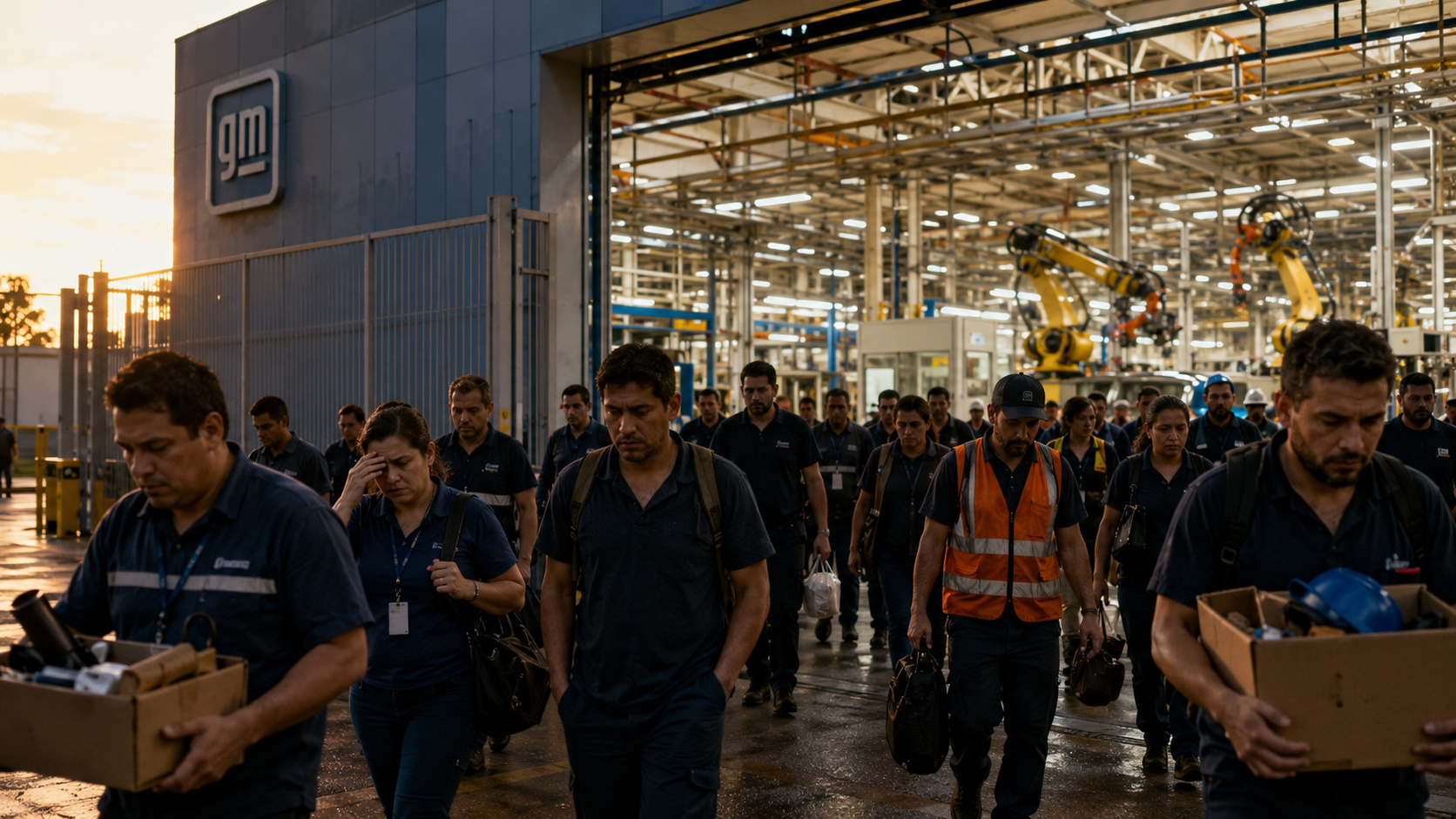
General Motors Replaces Over a Thousand Workers with 50 Cobots at Electric Vehicle Plant, UAW Union Criticizes Move Amid Industry’s Automation Push

The Aquatic Statistics of Antaq is an online public utility tool for consulting updated data from the waterway sector, with information on port movement, deep-sea and cabotage navigation, ship dockings, tariffs, indicators, and operational times of vessels. The panel can be accessed at this link.