Portuguese
  Spanish


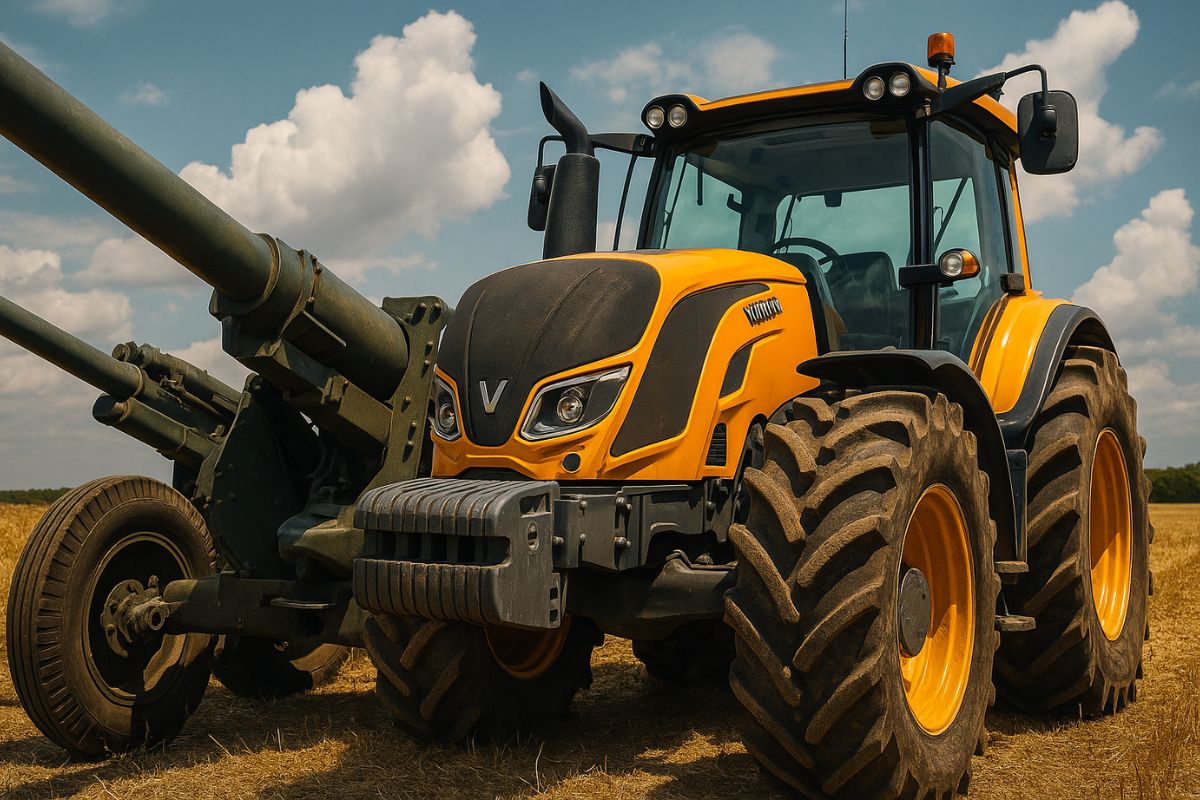

The History of the Finnish Brand Reveals How Military Engineering Became Synonymous with Resilience in the Field
Few people know, but Valtra tractors originated from a weapons factory. Before gaining traction in the fields of Brazil and the world, the company produced rifles, heavy artillery, and ammunition for the Finnish army. The shift occurred after World War II, when the country’s defense industry needed to adapt to national reconstruction.
Founded from two large state-owned factories of armaments, the brand began applying precision engineering and military robustness in tractor production. The first model, launched in 1951 under the name Valmet, used parts from cannons in its chassis and was designed to withstand snow, mud, and rough terrain—features that became the company’s signature.
From Finland to Brazil
Brazil entered Valtra’s story in the late 1950s when the government required tractor manufacturers to establish factories in the country. The brand won the bidding and built its unit in Mogi das Cruzes (SP), launching the 360D model, simple, sturdy, and adapted to Brazilian agriculture. In no time, “Valmet” became synonymous with robust tractors, especially among small and medium producers.
-
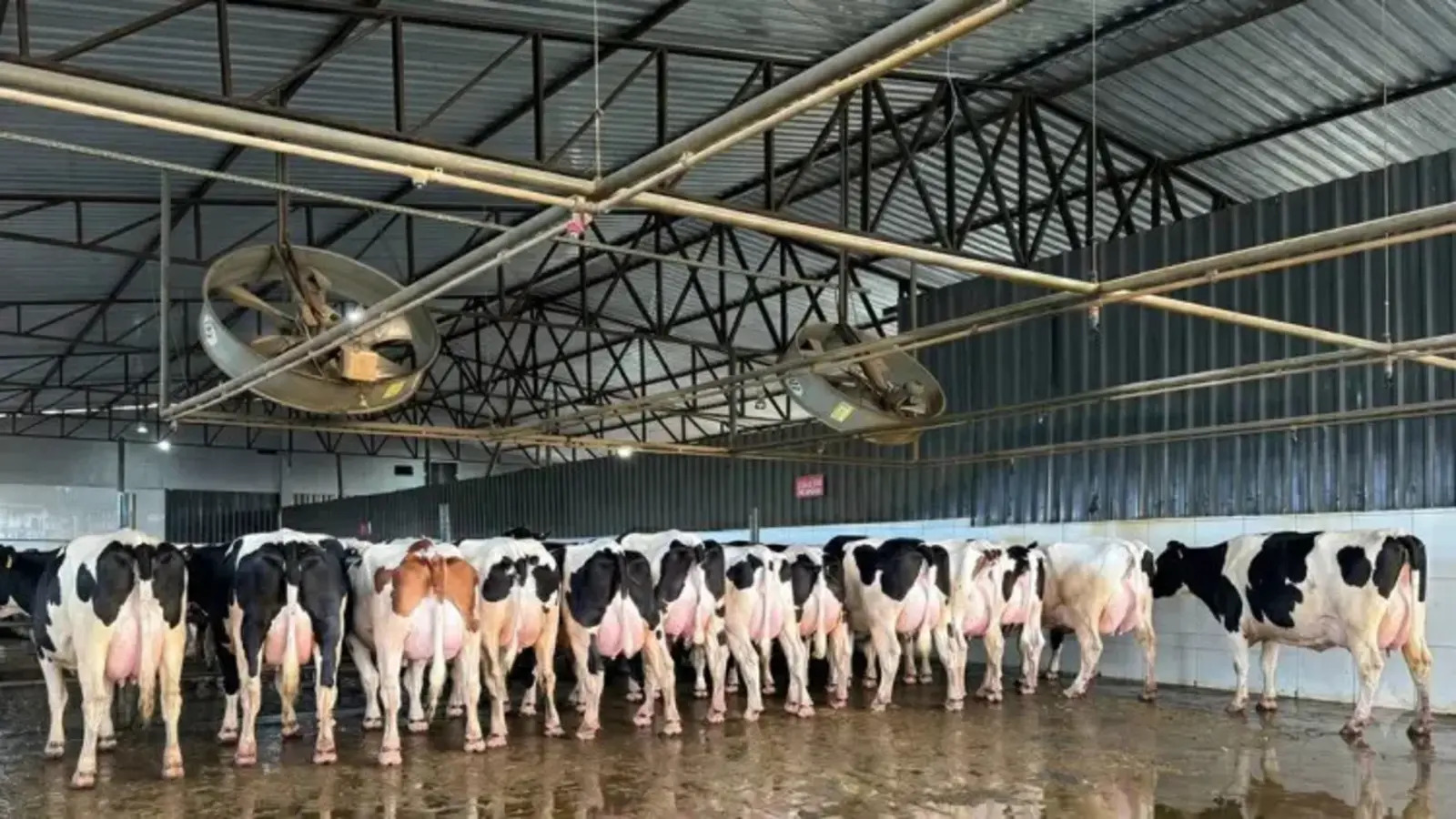
Innovative Farm in Northeastern Brazil Combats Drought with Advanced Techniques, Aiming for 10,000 Liters of Milk Daily Production

-
Australian Desert Farm Uses Solar Power and Seawater to Produce 15,000 Tons of Tomatoes Annually, Resembling a Sci-Fi Agricultural Innovation

-
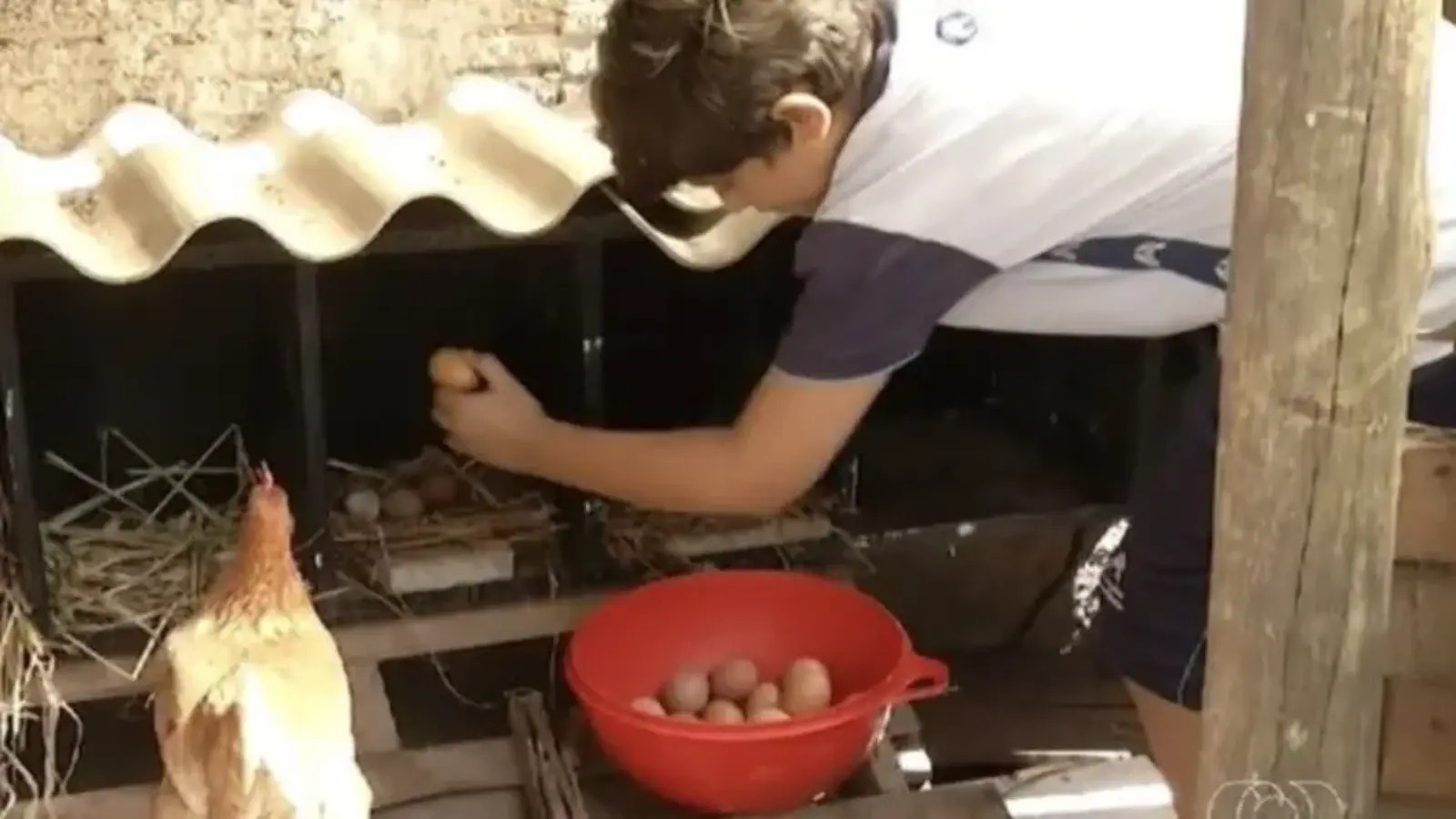
Brazilian Child Becomes National Role Model by Turning Financial Education Lesson into Thriving Poultry Business with 25 Hens and 150 Eggs Weekly
-
California’s Almond Industry Consumes Over 4 Trillion Liters of Water Annually Amid Drought, Relies on Trucked-In Bees for Pollination


The philosophy remained the same: machines without frills, easy to maintain, and ready for heavy-duty work. During the 1970s and 1980s, the brand consolidated its reputation with iconic models like the six-wheeled Valmet 152 and the series 100, which marked a new era of performance and reliability.
Transformation and Challenges
In the 1990s, the agricultural market demanded more technology and comfort, leading to the modernization of the line and, in 2000, a definitive name change to Valtra. The acquisition by the AGCO group accelerated investments, bringing tractors with air conditioning, synchronized transmission, automatic pilots, and more efficient engines, yet without losing the resilience that won over the producer.
However, economic crises and increased competition in the 2000s put Valtra to the test. The solution was to reconnect with the producer, strengthen after-sales service, and create models adapted to Brazilian realities, balancing technology and simplicity.
Global Presence and Innovation
Today, Valtra is a reference in Latin America, exporting from Brazil to neighboring countries and offering complete solutions for the field, including harvesters, sprayers, and digital systems. Despite modernization, it maintains the identity of a strong, reliable tractor with uncomplicated maintenance.
From a weapons factory to an agricultural icon, Valtra’s story shows how adaptability can transform a symbol of war into an essential ally of food production.
In your region, do people still call any tractor a Valmet, even when it’s not? Share your experience with the brand in the day-to-day field in the comments.