






 Portuguese
  Spanish
  3 min of reading
  0 comments


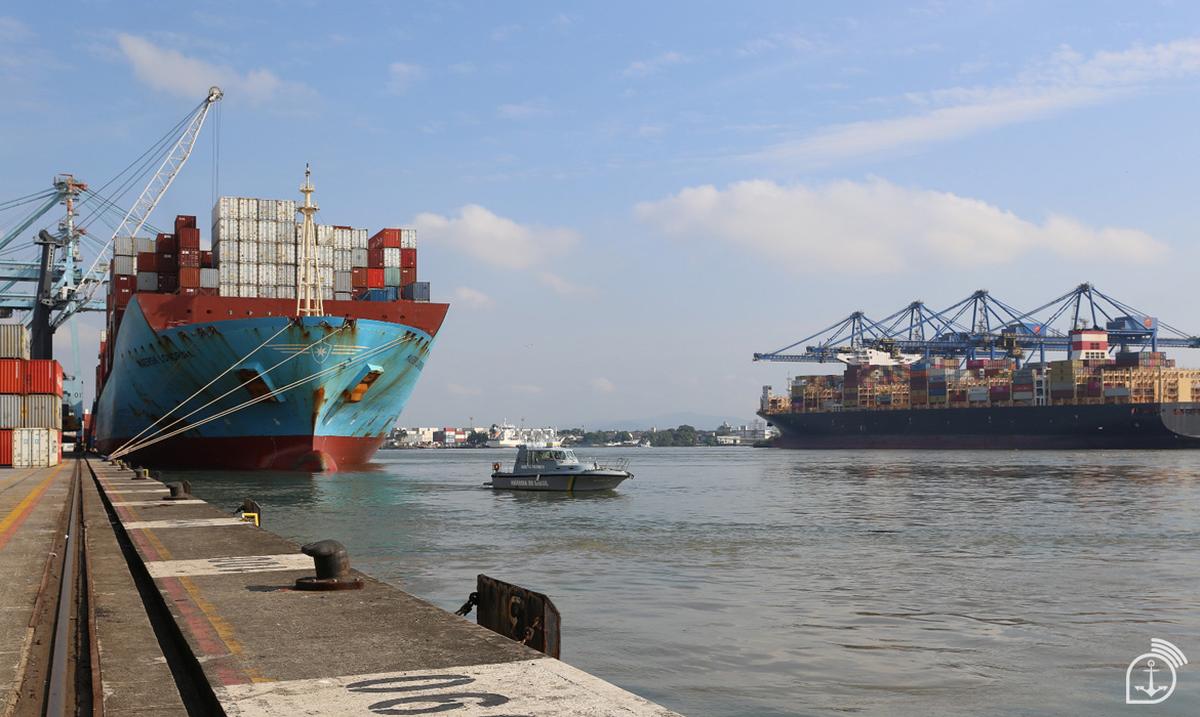
The Court Reaffirms Tax Principles And Prevents Unforeseen Requirements In Law
The Federal Regional Court of the 1st Region maintained, by unanimous decision, the suspension of the AFRMM charge applied to imported goods under the Repetro regime, a mechanism used in oil and gas exploration and production.
The Federal Regional Court of the 1st Region, therefore, unanimously confirmed the suspension of the AFRMM charge on goods brought into the country under the Repetro regime and, thus, structured a decision that, from the outset, highlights the relevance of this mechanism for the entire exploration chain. Furthermore, the ruling emphasized that the Portaria No. 72/2008, used by the Union to justify the requirement, exceeds the legal limits established by Law No. 10.893/2004 and, therefore, cannot create tax requirements that are not expressly provided for by law.
However, the Court also reinforced the established jurisprudence of the STJ, which considers it illegal to condition the suspension of the AFRMM on the suspension of other taxes and, thus, reaffirmed the legal interpretation that continuously assures stability to companies in the sector. Moreover, the decision strengthens the legal certainty applied to special customs regimes, which are essential for economic competitiveness, and, therefore, establishes fundamental regulatory predictability for long-term investments.
-
Oil production grows in Rio, but reserve replacement raises a warning sign

-
Petrobras is expected to complete the drilling of the Morpho well in the Foz do Amazonas in August 2026, the first well in the Equatorial Margin, an oil frontier that the ANP estimates at more than 30 billion barrels and could redraw the map of Brazil.

-
Oil returns to the center of concerns with tension between the US and Iran

-
IEA reduces forecast for global oil demand in 2026 after impacts of the Middle East crisis



Key Points of the Decision
- Suspension Maintained: TRF1 fully confirmed the impossibility of charging the AFRMM in Repetro.
- Portaria No. 72/2008: deemed inapplicable for exceeding Law No. 10.893/2004.
- Jurisprudence of the STJ: reaffirmed as a reference to prevent undue tax requirements.
- Economic Impact: direct benefits to companies in the oil sector.
- Legal Certainty: strengthened in strategic regimes.
Relevance to the Sector
The ruling was also interpreted as a relevant legal milestone for the entire oil and gas industry. After all, as highlighted in the technical statement presented in the case, “the ruling of the TRF of the 1st Region represents a precedent of great relevance for the entire oil and gas industry” as it reaffirms that the AFRMM cannot be required in operations conducted under the Repetro regime. Thus, it prevents infralegal norms from restricting benefits financially provided for by law, which reinforces the principle of tax legality.
Consolidated Understanding
The decision also shows that federal courts have been rigorously interpreting any attempts to expand tax requirements without the necessary legal backing, which thus protects investments and ensures normative coherence. Therefore, maintaining the suspension of the AFRMM demonstrates that the decision is not only technical but also consistent with what had been established in previous precedents, contributing to regulatory stability.
Given a decision that reinforces legality, stability, and predictability, how can the oil and gas sector leverage this understanding to plan future operations with even greater security?
By: Janssen Murayama, tax attorney and partner at Murayama, Affonso Ferreira e Mota Advogados








Be the first to react!