






 Portuguese
  Spanish
  5 min of reading
  0 comments


Dispute in the USA shows how AI data centers can move beyond the field of technology and reach Justice when gas-powered turbines, air emissions, environmental licensing, nearby residents, national security, and economic interest enter the same process involving Elon Musk’s xAI
The Trump administration entered the dispute to defend Elon Musk’s xAI in a lawsuit about data center turbines, air emissions, and national security in the United States. The request was made on June 16, 2026, within a lawsuit filed by the NAACP.
The information was published by Reuters, an international news agency. The dispute involves xAI, an artificial intelligence company linked to Elon Musk, MZX Tech, cited as a subsidiary, and the NAACP, a civil rights organization that questions the operation of gas-powered turbines.
In practice, the case shows that artificial intelligence data centers have ceased to be just buildings with powerful computers. When these structures require a lot of energy, they also involve air pollution, environmental licensing, nearby residents, and public authority decisions.
-
SpaceX receives investment grade for the first time, sees Starlink become a cash engine, and reaches a valuation exceeding 2 trillion dollars.

-
Germany and Japan expand defense amid tensions with China, Russia, and doubts about the US

-
OpenAI accelerates the race for the post-cellular future with several acquisitions in the first few months of 2026 and bets $6.5 billion on the startup of the former iPhone designer to create the device that could challenge the reign of smartphones.

-
Goodbye traditional washing machine: LG surprises and launches a version with up to 18kg capacity that detects dirt with AI, eliminates 99.9% of bacteria, washes giant comforters, and completes full cycles in just 39 minutes without taking up more space.
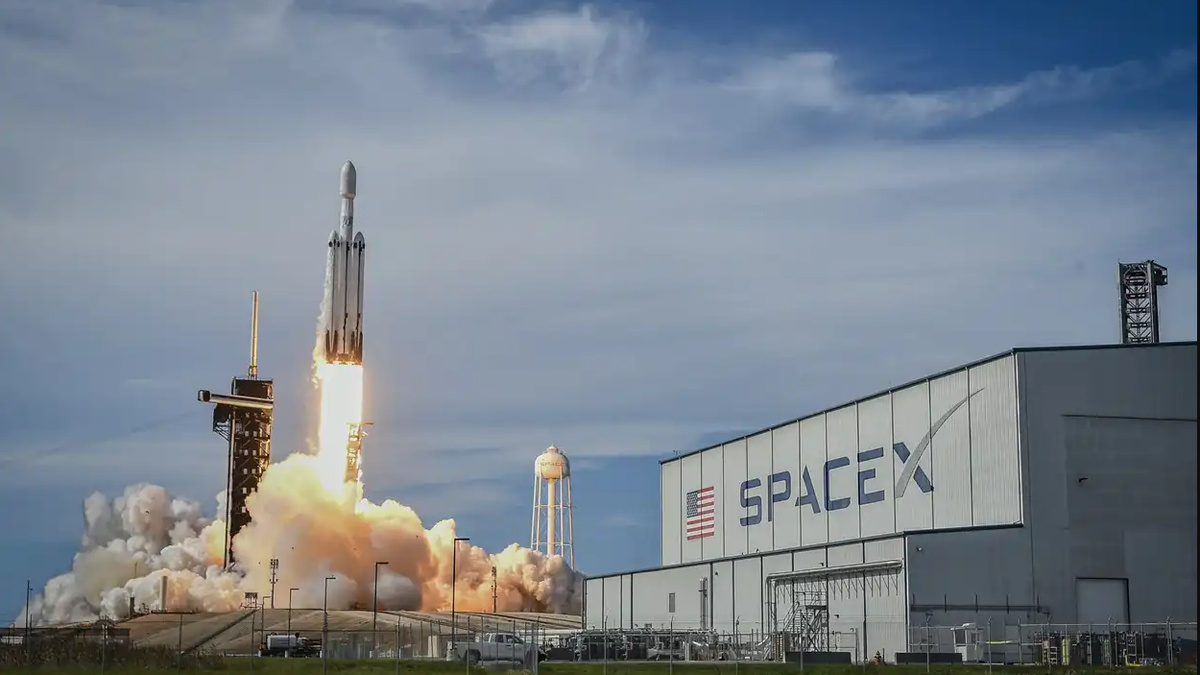



Why AI data center turbines became the target of an environmental lawsuit in the United States
The NAACP brought to Justice a lawsuit related to the Clean Air Act, a federal law in the United States created to control air pollution. The lawsuit addresses allegations of issues in licenses and emissions related to gas-powered turbines.
These turbines power data centers used by xAI. Data centers are large structures full of servers, machines that process and store digital information.

In the case of artificial intelligence, these devices work in large volumes and require a lot of energy. Therefore, the discussion has shifted from just technology to also involving air emissions and environmental regulations.
Trump Administration Asked to Join the Case and Try to Block NAACP’s Action
The United States Department of Justice asked a federal court in Mississippi for permission to intervene in the case and try to end the action. The agency argues that the government has broad power to enforce environmental law.
The central point is the discussion about who can demand penalties in the name of public interest. The NAACP is trying to advance with a citizen action, a type of lawsuit used when an organization or group seeks to hold potential polluters accountable.
The government, on the other hand, argues that this demand can exceed limits when it involves civil penalties and a court order capable of stopping turbines that power data centers linked to artificial intelligence.
National Security Entered the Case Because the Turbines Power AI-Related Infrastructure
The dispute gained weight because the government told the court that the attempt to stop the turbines could threaten national security and economic interests. This statement changed the political and legal scope of the case.
Instead of a fight restricted to environmental licenses, the case began to touch on the infrastructure used to train and maintain artificial intelligence systems. This type of technology requires constant energy, powerful servers, and facilities capable of operating without interruption.
The artificial intelligence that appears in apps, companies, and digital services depends on physical structures. And these structures can create conflicts when they come close to communities or when they use energy sources that cause emissions.
NAACP Wants to Stop the Operation of Turbines Used by xAI
Reuters, an international news agency, detailed that the NAACP wants a judge to block xAI from operating the turbines that power the data centers. The action also mentions MZX Tech, identified in the case as a subsidiary of Elon Musk’s company.
The organization questions possible violations of licenses and emissions. In simple terms, a license is the authorization to operate within environmental rules. Emission is what is released into the air when equipment operates and releases gases or pollutants.
Abre’ Conner, responsible for the NAACP’s environmental and climate justice center, defended the importance of citizen actions for communities affected by decisions that cause harm. The statement helps to show that the case is not just about companies, but also about residents and community health.
What this case shows about data centers, affected communities, and environmental licensing
The dispute around xAI shows that AI data centers can have impacts beyond the computer screen. They need energy, occupy space, rely on heavy equipment, and can attract scrutiny from nearby communities.
Environmental licensing exists to assess whether an activity can operate and what precautions it must take. When there is suspicion of failure in this process, the dispute can reach the courts and involve public agencies, companies, and civil organizations.
This debate is also relevant to Brazil. Large digital structures can grow along with the demand for artificial intelligence, cloud, and data processing. This increases the need for clear rules on energy, emissions, and dialogue with nearby residents.
The dispute is not about rooting for or against Musk, but a fight over rules, public power, and local impact
The case involves a company of Elon Musk, but the core of the discussion goes beyond the entrepreneur. The process brings face to face technological innovation, environmental control, government power, and community protection.
It is also important not to treat the government’s request as a final decision. What exists is an attempt to intervene to block the action, within an ongoing judicial process.
The most sensitive point is that the infrastructure of artificial intelligence is growing and needs energy. When this energy depends on turbines, the debate becomes visible and starts to affect air, neighborhood, oversight, and justice.
The Trump administration requested to block the NAACP’s action against xAI on June 16, 2026, within a dispute involving data center turbines, air emissions, the Clean Air Act, environmental licensing, and national security.
The case shows how artificial intelligence also depends on construction, energy, and environmental rules. Behind digital systems, there are real equipment, nearby communities, and public decisions that can affect many people.
If AI data centers need so much energy to operate, who should have more weight in this decision: the rush for technology, environmental oversight, or the protection of those living near these structures?







Be the first to react!