






 Portuguese
  Spanish
  3 min of reading
  0 comments


Donald Trump’s official visit to China puts Taiwan at the center of discussions between Washington and Beijing, increases diplomatic pressure on the sale of American arms to the island, and turns the meeting with Xi Jinping into one of the most closely watched geopolitical moves on the international scene, also involving trade tariffs, military tensions, and strategic debates linked to the war in Iran
Donald Trump arrived in Beijing this Wednesday, May 13, around 9 am, Brasília time, to begin a three-day official visit to China.
According to information released by the Associated Press, the President of the United States received an official reception shortly after the landing of Air Force One in the Chinese capital.
On the occasion, Chinese authorities organized a ceremony with a red carpet, military honor guard, official band, and about 300 youths.
-
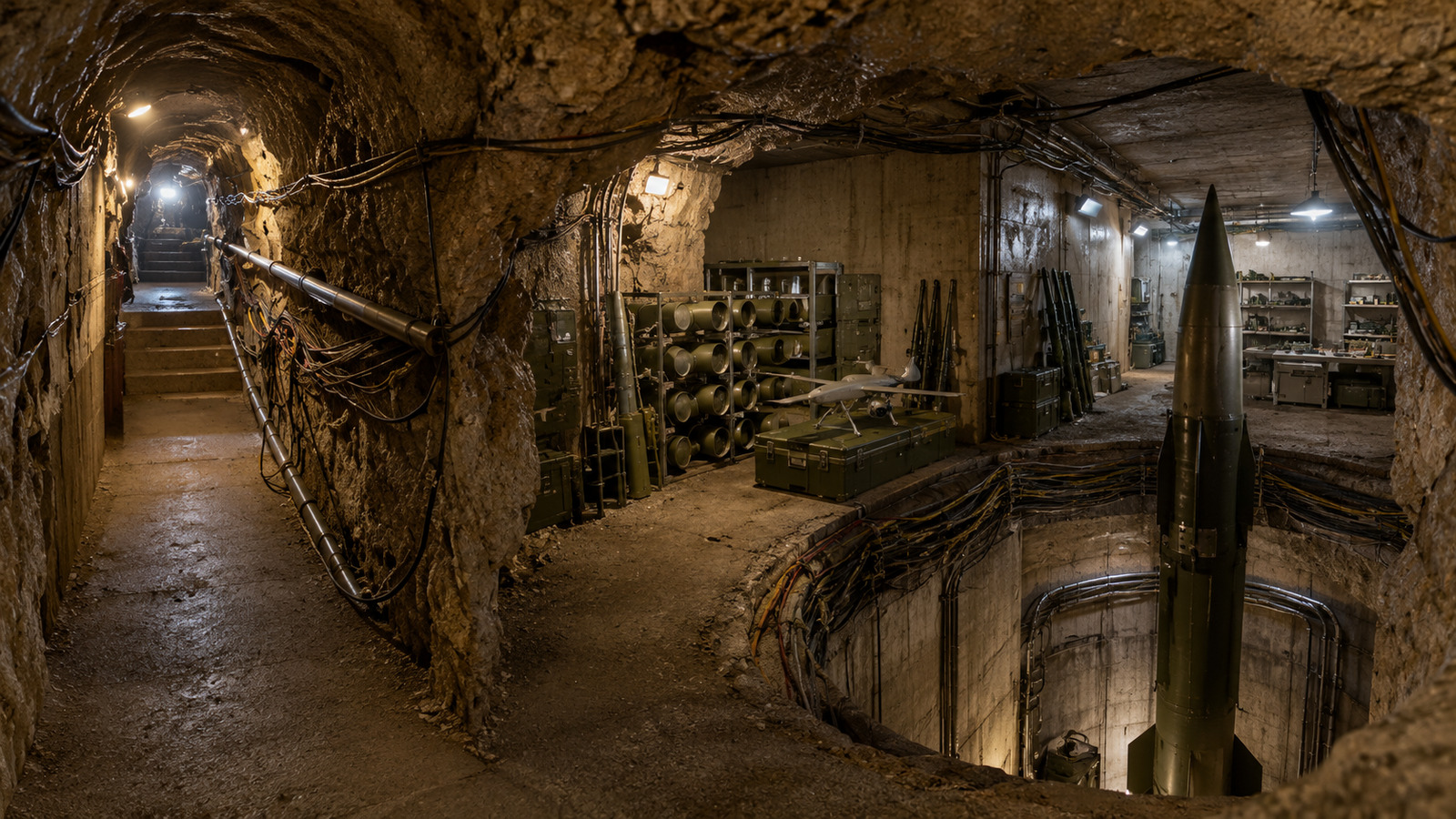
Israel finds Hezbollah militarized tunnel over 200 meters long under village, with 4 missile launch shafts, 12 chambers, anti-tank missiles, drones, and weapons depots at a depth of 25 meters.

-
Ukraine launches largest drone attack on Moscow since 2022, Russia claims to have intercepted nearly 200 aircraft near the capital, Kapotnya refinery targeted again, and offensive reignites alert about war reaching the Russian energy heart just a few kilometers from the Kremlin.

-
Truck drivers, freight, and fines from 2022 take center stage in politics: Chamber approves MP with amnesty, mandatory tracking by CIOT, million-dollar penalties, and new minimum wage for those who spend more than 24 hours on the road.

-
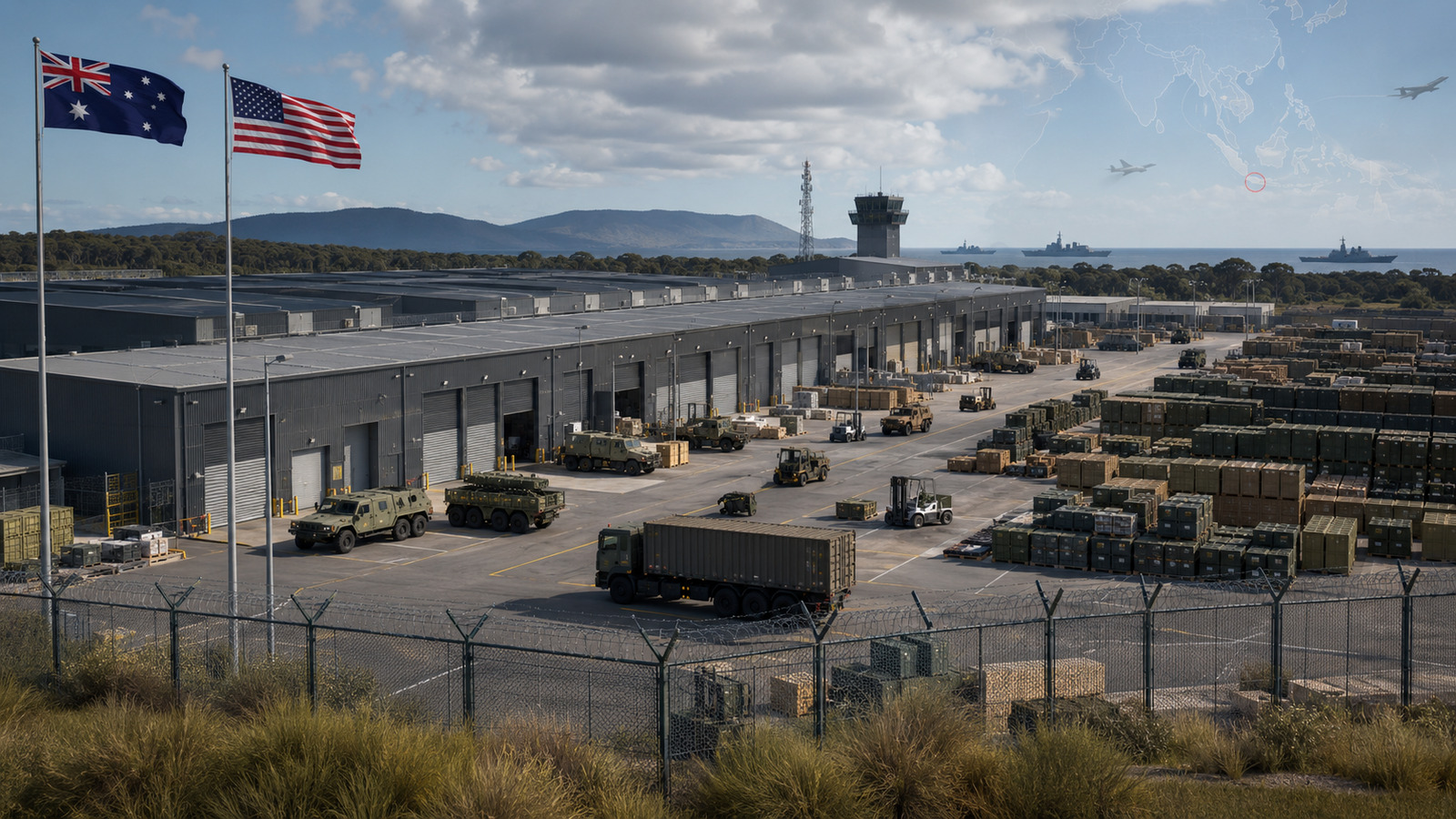
China off the radar: US plans mega $30 million weapons depot in Australia, out of reach of most Chinese missiles, with full capacity expected by 2028


Meanwhile, the visit takes place at a moment of diplomatic tension between Washington and Beijing, mainly because of Taiwan and the sale of American arms to the island.

Meeting with Xi Jinping will be the main moment of the diplomatic agenda
On Thursday, May 14, Trump is expected to participate in bilateral meetings and a formal banquet with Xi Jinping.
In this scenario, the leaders of the world’s two largest economies are expected to discuss strategic issues related to security and international trade.
According to the base text, the planned topics include the war in Iran, trade tariffs, and the increasing tensions involving Taiwan.
Therefore, the meeting gains relevance by bringing together the countries with the largest military expenditures on the planet.
Arms sales to Taiwan increase pressure between China and the United States
On Monday, May 11, Trump stated to the press that he intended to talk with Xi about an US$ 11 billion military package intended for Taiwan.
The United States government authorized this package in December. However, the measure has not yet been implemented.
Before Trump’s arrival in Beijing, China once again pressured Washington on the issue.
According to statements reproduced by the EFE agency, Zhang Han, spokesperson for the Taiwan Affairs Office of the Chinese State Council, stated that Taiwan is “a purely internal matter of China.”
In the same statement, the Chinese representative asked the United States to respect the so-called “one China principle”.
It also urged Washington to stop selling arms to Taiwan and avoid encouraging separatist movements linked to the island’s independence.
China considers Taiwan part of its territory since the end of the civil war
Taiwan has been independently administered since 1949, when the Chinese Civil War ended.
During that period, the nationalists defeated by the communists took refuge on the island after the victory of the forces led by the Chinese Communist Party.
Even so, Beijing continues to consider Taiwan part of its territory.
In recent years, the Chinese government has reinforced threats of annexing the island, a process it defines as “reunification.”
On the other hand, Taipei has increased defense investments in the face of rising Chinese military pressure.
Therefore, Trump’s visit to China takes place amid a sensitive diplomatic dispute, involving military security, territorial sovereignty, and international relations between the two powers.
Given the growing tension between China, the United States, and Taiwan, how far can this diplomatic dispute impact the global geopolitical balance in the coming years?





Be the first to react!