






 Portuguese
  Spanish


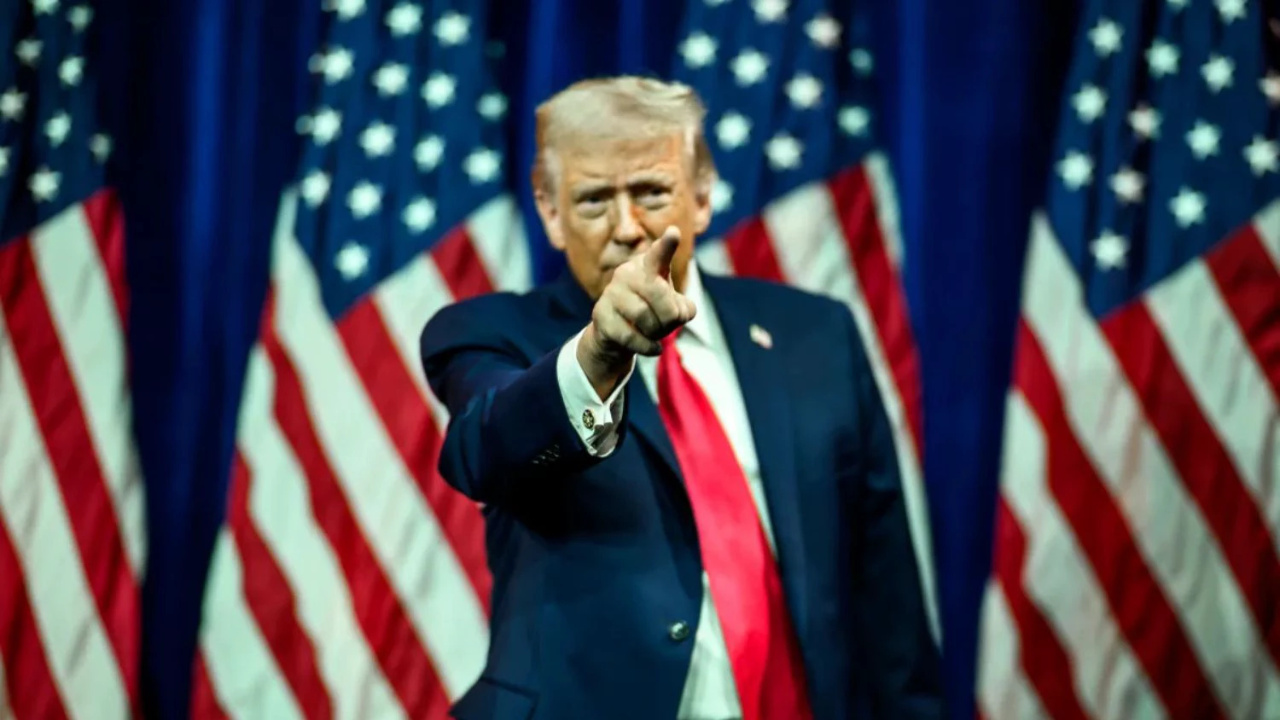


President Donald Trump Signs Executive Order to Prevent Seizure of Venezuelan Oil Revenue Held by U.S. Treasury, with Diplomatic Impact and for the Oil Sector.
The President of the United States, Donald Trump, signed an executive order with direct impact on the oil sector and relations with Venezuela. The measure, announced by the White House on Saturday (10), aims to prevent courts or creditors from controlling or seizing revenues from Venezuelan oil sales held in U.S. Treasury accounts.
The decision was made in a context of high geopolitical tension, marked by recent U.S. operations on Venezuelan territory and strategic initiatives related to the energy sector.
Decree Establishes Protection for Oil Financial Reserves
According to the official text, the amounts, classified as “Foreign Government Deposit Funds,” are considered sovereign property of Venezuela and are protected from seizures and legal actions. Thus, they cannot be accessed by private creditors, nor used to satisfy old claims, such as those from companies that left the country after asset nationalizations.
-
With a record production of nearly 3 million barrels per day, Petrobras resumes importing diesel in July, highlighting the bottleneck in Brazilian refining.

-
Qantas and Airbus Invest in Company Aiming to Convert Unsorted Household Trash into Jet Fuel

-
Brazil’s ANP Opens 86 New Oil Blocks in the Equatorial Margin, Expanding the Amazon River Mouth Frontier

-
OPEC+ Boosts Oil Supply by 188,000 Barrels per Day in July 2026, Leading to Price Drop from $112 to $89 per Barrel in Under Two Months
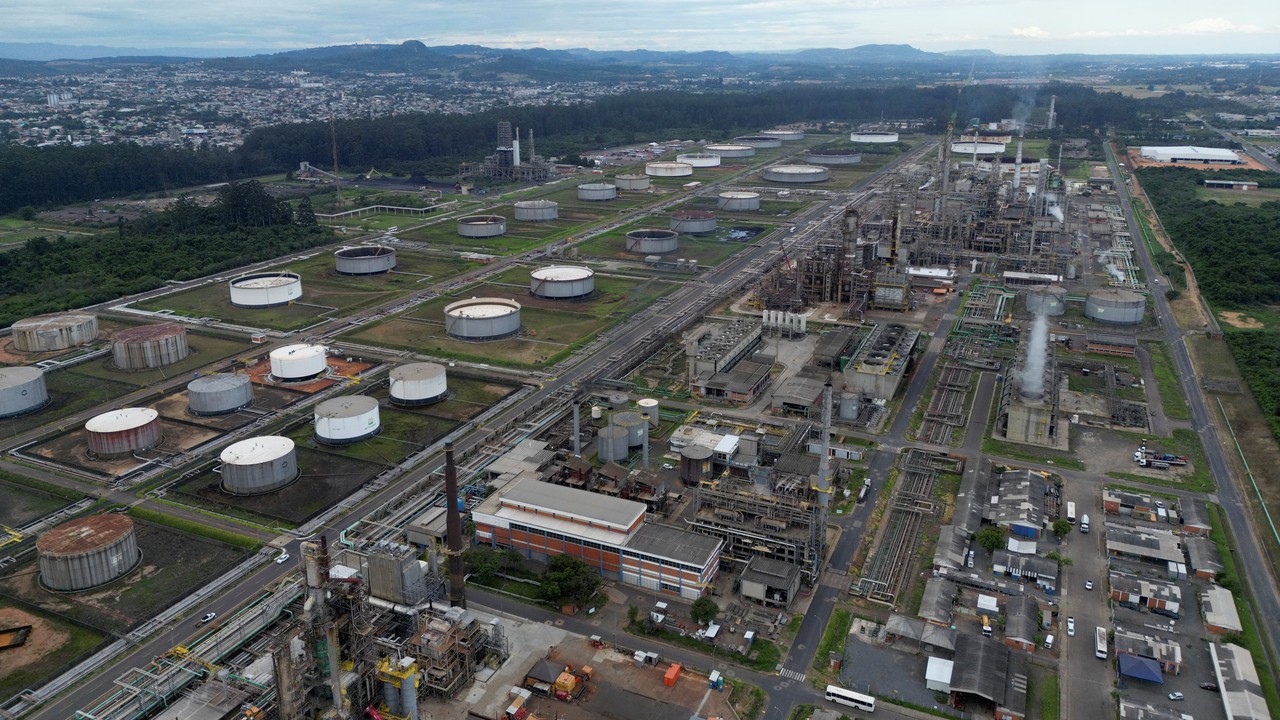


The order prevents any “attachment, judgment, decree, lien, execution, garnishment, or other legal process” against these funds, except in cases expressly authorized by U.S. authorities. The White House argues that preserving these resources contributes to “U.S. foreign policy objectives” and helps promote economic and political stability in Venezuela.
Trump’s Strategy and Legal Justification
The U.S. administration based the order on laws that allow for national emergency actions. In the justification, Trump states that the possibility of seizing the funds would pose a threat to U.S. security and its diplomatic efforts in the region.
The text highlights that the maintenance of Venezuelan oil revenues in accounts under U.S. custody does not represent commercial use or trade in the country. Instead, the funds remain designated for governmental and diplomatic purposes, reinforcing a strategic protection logic in the face of international challenges.
Implications for the Oil Sector and International Creditors
The measure arises amid long-standing claims by major oil companies against Venezuela, which have been trying to recover billions of dollars after the nationalization of assets nearly two decades ago. Companies like Exxon Mobil and ConocoPhillips are involved in litigation that could, in theory, result in asset seizure. The new executive order blocks this type of action.
Although the text does not mention specific companies, it creates a legal security environment for the use and destination of Venezuelan oil revenues. This could influence future negotiations and investments in the oil sector, both for American companies and others interested in the potential revival of local production.
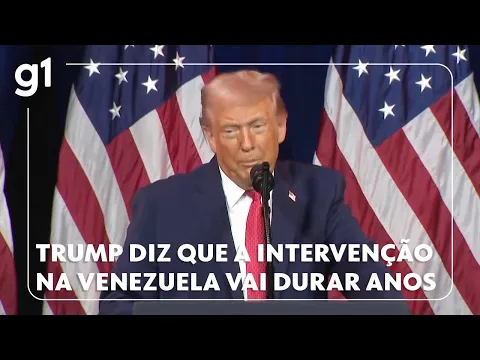

Context of U.S.-Venezuela Relations and Strategic Focus
The signing of the decree took place less than a week after a U.S. military action in Venezuela, which resulted in the capture of Venezuelan President Nicolás Maduro in Caracas. The White House emphasized that the decision is part of a broader effort to ensure stability in the region and protect American interests.
Additionally, Trump met with executives from major oil companies, including representatives from Exxon, Chevron, Shell, and others, with the intention of encouraging them to invest billions in the Venezuelan oil sector. The meeting highlighted the strategic importance of oil in this diplomatic and economic relationship.
Fund Under U.S. Custody and Political Goals
The decree states that oil revenue funds remain under the custody of the American government and cannot be used in private litigation. This reinforces the role of the U.S. as guardians of these resources while seeking to influence the political and economic direction of Venezuela.
The measure also reflects an attempt to balance interests in a country that has vast oil reserves, considered among the largest in the world. The protection of revenues can be seen as a way to maintain U.S. influence over this strategic resource and over the power transition in the neighboring country.








