Portuguese
  Spanish


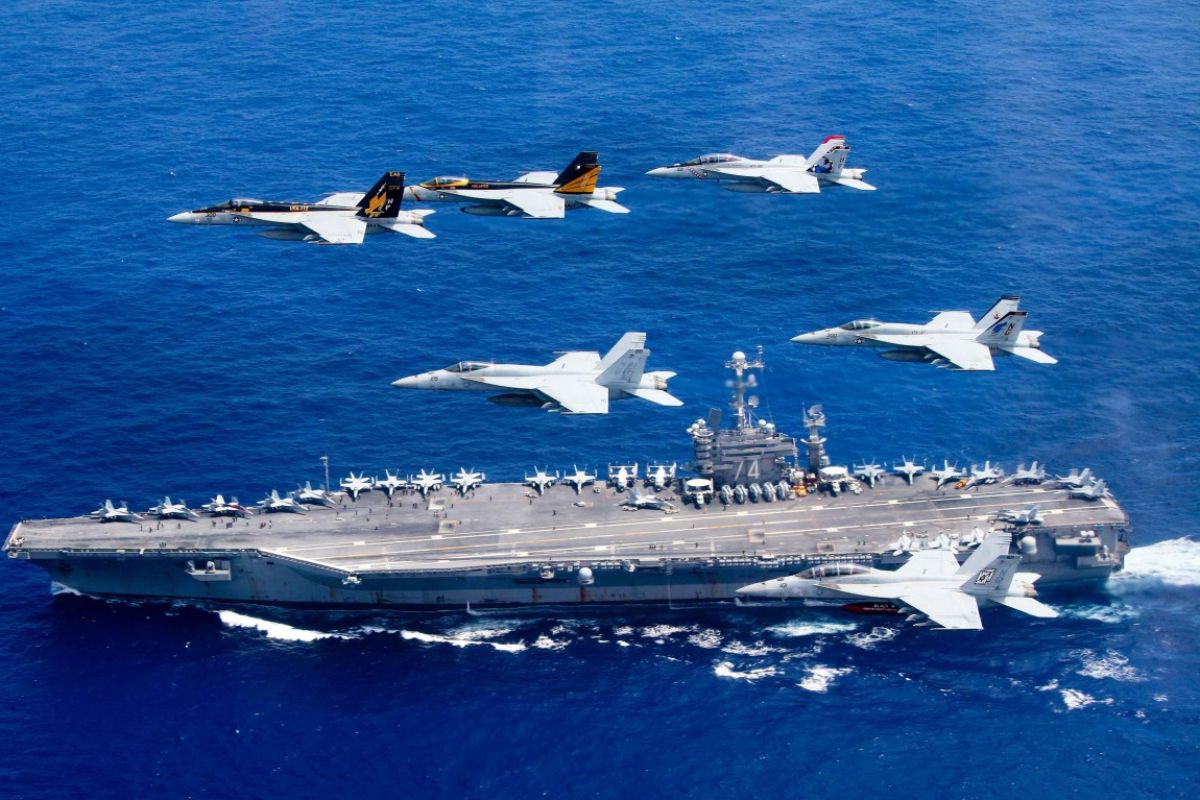


With The Navy Offered By Trump As Guarantee For Energy Flow In The Strait Of Hormuz, The Iranian Threat Raised Military Tension, Pushed Brent Above 8% During The Day, And Reignited Fears Of A New Global Wave Of Expensive Oil And Worldwide Inflation.
The Navy Entered The Center Of The Crisis In The Middle East After Trump Declared That The United States May Escort Oil Tankers In The Strait Of Hormuz If The Iranian Threat Becomes A Real Disruption Of Traffic. The Statement Came After The Iran Announced The Closure Of The Passage And Claimed It Could Attack Vessels Attempting To Cross The Route.
Even Without An Official Blockade Confirmed, The Shock Of Statements Was Enough To Shake The Markets. The Brent Rose 8.43% In The Morning, To US$ 84.29, And Still Showed An Increase Of 7.04% At 3 PM, Quoted At US$ 83.21, While Investors And Governments Began To Regard Hormuz As A Point Capable Of Spreading Pressure On Fuels, Transportation, And Inflation Worldwide.
What Trump Put On The Table
Trump Stated That If Necessary, The U.S. Navy Would Begin Escorting Oil Tankers Through The Strait Of Hormuz As Soon As Possible.
-
A 180-meter ship with a deck the size of a football field was christened to carry 25,000 tons of giant energy modules around the world.

-
To erect the “Baleia” building on the richest avenue in Brazil, he bought 35 houses, paying with trips to Disney, a truck, and even an apartment, waited over 20 years, and today the complex is valued at R$ 2.5 billion.
-
The land belonged to her great-great-grandfather and was worth R$ 25 per square meter during the pandemic; the couple sold 250,000 m² for the nearly R$ 30 billion project that is transforming the “neighbor of Jericoacoara,” and today a house in the region goes for R$ 4.2 million.

-
Labor shortage reaches the truck drivers’ area: Brazil is already facing a deficit of 120,000 drivers, 65.1% of transport companies feel the impacts, and Mercedes-Benz strengthens training in the face of the new generation of technological trucks.



At The Same Time, He Emphasized That The United States Would Ensure The Free Flow Of Energy To The World And Again Highlighted American Economic And Military Weight, Saying That The Country Has The Greatest Power On Earth.
The Message Was One Of Immediate Deterrence, Without Waiting For The Iranian Threat To Become A Formal Blockade Before Reacting.
In Addition To The Possibility Of Armed Escort, Trump Announced That He Had Ordered, With Immediate Effect, The United States Development Finance Corporation To Provide Insurance Against Political Risk And Financial Guarantees For Maritime Trade Transiting Through The Gulf, Especially Energy Transportation.
According To Him, The Measure Will Be Available To Shipping Companies At A “Very Reasonable” Cost, In A Clear Attempt To Prevent Fear From Paralyzing Traffic Even Before Any Direct Confrontation.
Why The Strait Of Hormuz Matters So Much To The Planet
The Strait Of Hormuz Is One Of The Most Sensitive Maritime Routes In The Global Energy System Because It Connects Major Producers In The Gulf, Such As Saudi Arabia, Iran, Iraq, And The United Arab Emirates, To The Gulf Of Oman And The Arabian Sea.
It Is Estimated That About One-Fifth Of All Oil Consumed In The World Passes Through This Narrow Stretch Of Sea. This Turns Any Local Threat Into An Instant Global Problem.
For Now, U.S. Military Authorities State That The Route Is Not Officially Blocked.
Still, The Simple Announcement Of An Iranian Closure And The Warning From The Revolutionary Guard That The Passage Would Not Be Safe Were Enough To Raise Tensions.
In A Corridor Of Such Importance, The Market Does Not Wait For The Closure To Materialize Completely To React. A Credible Risk Of Disruption Is Enough For Oil Prices To Rise And Pressure To Spread.
How Brent Reacted And What The Jump Reveals
Oil Prices Spiked This Tuesday Reflecting Fears That The War In The Middle East Could Extend, That The Strait Of Hormuz Could Be Effectively Closed, And That Attacks Could Hit Energy Sector Installations.
The Brent, The Most Watched International Benchmark In This Type Of Crisis, Rose 8.43% In The Morning And Continued To Be Under Strong Pressure Hours Later. The American WTI, Set To Expire In April, Increased 8.79% And Was Trading At US$ 77.49.
This Movement Reveals That The Market Has Started Pricing Not Only A Diplomatic Crisis But A Concrete Risk To Supply And Circulation.
When Brent Jumps This Way In A Few Hours, It Is Signaling That The Threat Has Shifted From Rhetoric To A Variable Of Global Cost.
And Since Oil Is Factored Into The Cost Of Fuels, Freight, Production, And Transportation, The Reaction Is Not Limited To The Screens Of Traders And Analysts.
What The Navy Represents If The Impasse Shifts From Discourse
The Navy Appears In This Scenario As The Instrument That Washington Places Between The Iranian Threat And The Collapse Of The Route.
If The Promise Of Escort Is Activated, The United States Will Try To Convert Naval Power Into A Guarantee Of Commercial Flow.
This Explains Why Trump Tied Military Talk To The Expression “Free Flow Of Energy For The World”: It Is Not Just About Protecting Ships, But About Preventing The Iran From Turning Hormuz Into A Lever For International Shock.
At The Same Time, This Response Raises The Political Risk Of Confrontation.
The Closer The U.S. Navy Gets To The Operational Center Of The Strait Of Hormuz, The Greater The Chance That The Impasse Will Shift From A War Of Statements To An Environment Of Concrete Incidents.
It Is Exactly This Boundary Between Intimidation And Action That Scares The Markets, Because Any Misstep On A Route That Handles One-Fifth Of The World’s Oil Can Multiply Economic Impact Within Days.
What Is At Stake For Oil, Energy, And Inflation
The Most Immediate Effect Of A Prolonged Crisis In Hormuz Would Be A Reduction In Global Oil Supply And Stronger Pressure On Commodity Prices.
The Base Already Makes This Clear: Any Interruption In Traffic Could Tighten The Market Even Further And Generate Repercussions On Fuels, Transportation, And Inflation In Various Countries.
This Means That The Conflict Is No Longer Just A Problem Between The United States And Iran And Directly Affects The Wallets Of Governments, Companies, And Consumers Far Removed From The Area.