






 Portuguese
  Spanish


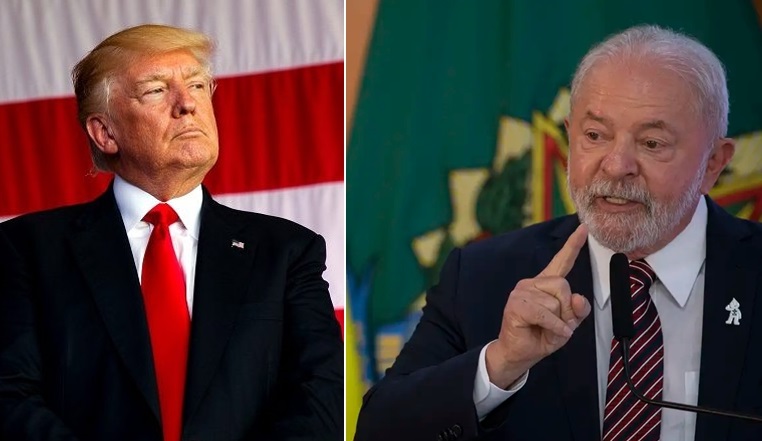


Understand How The Decisions Of Trump And Lula Are Redesigning The Global Economic Scenario
The recent escalation of tensions between Donald Trump, elected president of the USA, and the government of Lula has placed Brazil at the center of a political and economic confrontation with global impacts. The possibility of a 100% tax on products from Brics countries, announced by Trump, has reignited the debate about dependence on the dollar in international transactions and the future of Brazil-United States relations.
Where Does This Friction Between Lula And Trump Come From?
The animosity between the leaders began in 2022, when Lula took office and decided to position Brazil alongside powers like Russia and China, two major antagonists of the USA. In 2023, Lula’s support for Hamas during the conflict with Israel and Brazil’s closeness to countries like Iran and North Korea exacerbated negative perceptions in Republican circles.
Then in 2024, during the presidential campaign in the USA, Lula declared support for Kamala Harris, Trump’s direct opponent, and even called him a Nazi, inflating tensions even further. Now, with Trump’s victory and his impending inauguration in 2025, promises to retaliate economically against Brazil are beginning to take shape.
-
At 14 years old, she worked in a factory in Hong Kong, studied economics abroad, and then entered the Chinese real estate market, which helped change the landscape of Beijing.

-
While NATO secured more than $10 billion in missiles and space surveillance at a single forum, Brazil still spends 1.1% of its GDP on defense and is stalling its own anti-aircraft system.

-
Corn ethanol attracts R$ 23 billion in 21 new plants and prepares for a nearly 50% jump in Brazilian production by 2027, even with high interest rates.
-
A newly opened terminal in the middle of the Amazon has begun transporting soy and corn through Amapá, eyeing the queue of ships that is congesting the ports in the South.


Brics Under Attack: Taxation Of Products Is The First Weapon
Donald Trump made it clear that he will not allow Brics countries to implement an alternative currency to the dollar without consequences. He stated that any attempt to replace the dollar will result in 100% tariffs on products exported to the USA. For Brazil, which exported US$ 29.4 billion to the USA between January and September 2024, including oil, beef, and aircraft, this measure would be devastating.
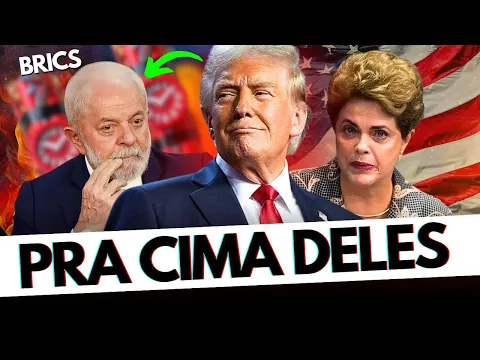

However, Lula insists on creating a Brics currency, reinforcing his rhetoric against the dollar. In 2023, he was already questioning: “Why should all countries trade backed by the dollar?” This view, however, does not take into account historical agreements like Bretton Woods, which solidified the dollar as the global benchmark.
The Impact Of Taxation On Brazil
With Trump determined to protect the interests of the USA, Brazil faces significant risks. Such aggressive taxation would directly harm Brazilian exports and could destabilize key sectors of the economy, such as agribusiness and the aerospace industry.
Moreover, the trade flow of over US$ 60 billion between the two countries could plummet, exacerbating Brazil’s isolation in the North American market. It is important to remember that the USA is one of Brazil’s largest trading partners, and losing this relationship would be disastrous.
Lula Versus Trump: Who Gives In First?
While Trump adopts a tough and strategic stance, Lula faces the difficult task of balancing his international alliances and protecting the Brazilian economy. The Brazilian government has already indicated that it prefers to avoid direct confrontations, but the challenge will be dealing with Trump’s demands without compromising its ambitions in Brics.








Essa reportagem contém alguns equívocos, mas o Brasil e os BRICS estão no caminho certo. Chega de domínio de uma nação só….
Geopolitica é difícil mesmo