Portuguese
  Spanish


In a Tense Meeting at the White House, Trump and Zelensky Star in a Heated Debate About War and Strategic Alliances, Raising Concerns About the Future of Global Security.
Trump Discusses With Zelensky: Tensions Between the United States and Ukraine Reached a New Level After an Explosive Confrontation Between Donald Trump and Volodymyr Zelensky Inside the White House. In a Heated Discussion in the Oval Office, the Former U.S. President Accused the Ukrainian Leader of “Betting on World War III,” Showing Impatience with Ukraine’s Position on Peace Negotiations with Russia. The Incident Marked One of the Most Intense Moments in the Relationship Between the Two Countries, Shaking Kyiv’s Confidence in American Support and Calling into Question the Future of Bilateral Relations.
What Motivated the Discussion at the White House Between Trump and Zelensky?
The Meeting Between Trump and Zelensky Was Supposed to Be an Opportunity to Strengthen Ties Between the Countries and Finalize a Strategic Agreement on Critical Minerals. However, the Diplomatic Climate Quickly Deteriorated as Negotiations Descended into Accusations and Criticism. The Discussion at the White House Involved Not Only the Two Leaders but Also the Participation of Vice President JD Vance, Who Reinforced Trump’s Tough Stance Toward the Ukrainian Government.
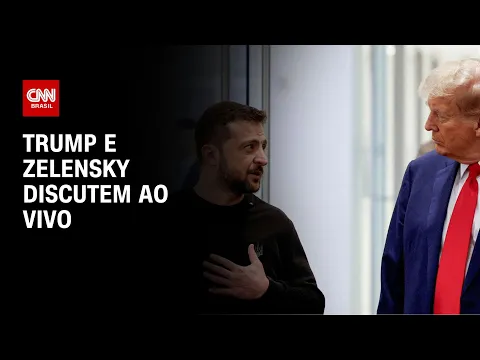

The Main Disagreement Arose When Trump and Vance Pressured Zelensky for More Gratitude for U.S. Military Support for Ukraine, Pressuring the Ukrainian President to Accept a Deal with Vladimir Putin. Trump’s Insistence on Forcing a Negotiation with the Russian Leader Deeply Displeased Zelensky, Who Reiterated His Position of Not Yielding to the Demands of the Kremlin. The Standoff Quickly Evolved into a Tense Verbal Exchange.
-
European Parliament Approves Digital Euro, Aiming to Challenge Visa and Mastercard’s Dominance and Transform Payments Across Europe by 2029

-
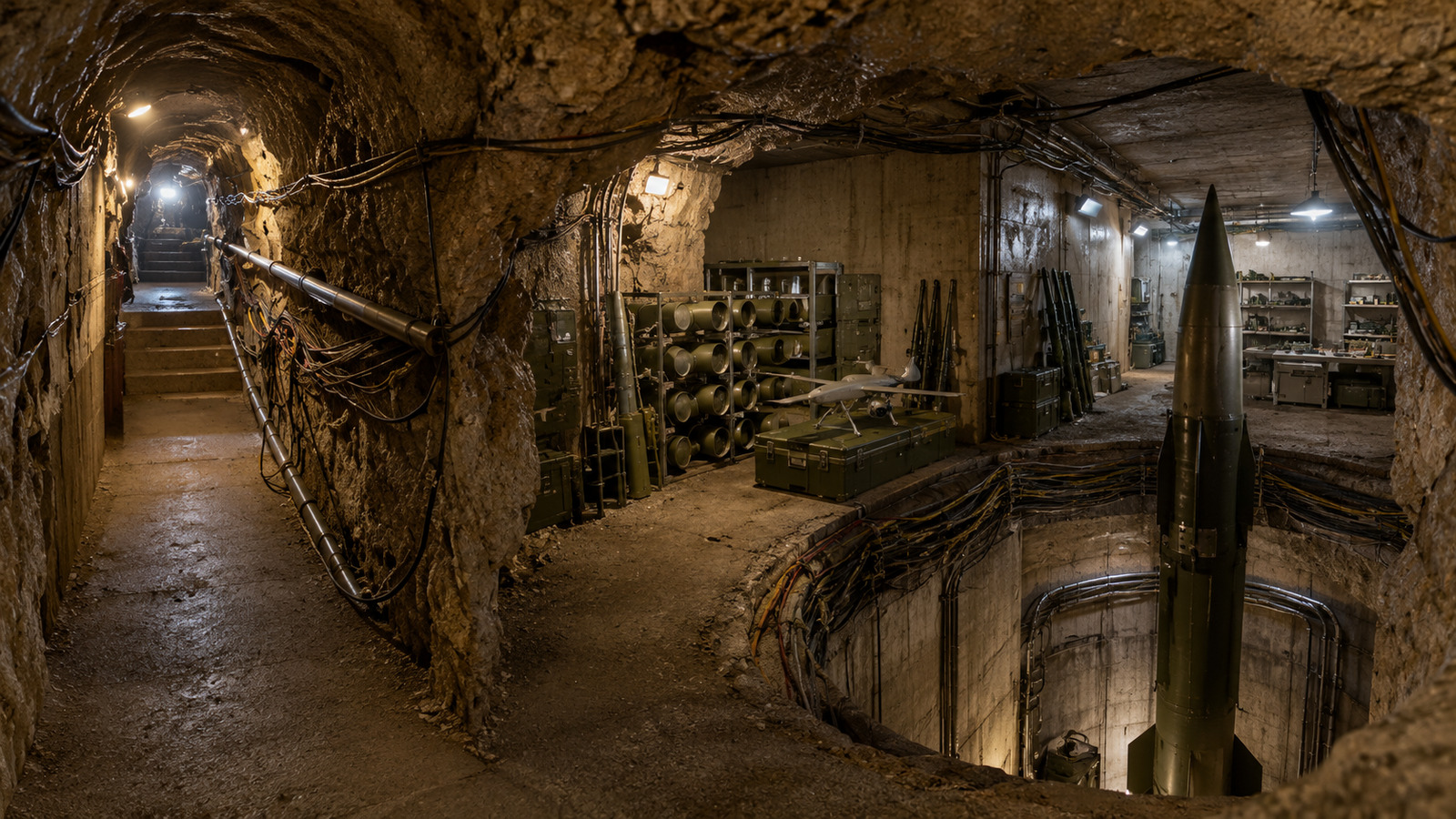
Israel finds Hezbollah militarized tunnel over 200 meters long under village, with 4 missile launch shafts, 12 chambers, anti-tank missiles, drones, and weapons depots at a depth of 25 meters.

-
Ukraine launches largest drone attack on Moscow since 2022, Russia claims to have intercepted nearly 200 aircraft near the capital, Kapotnya refinery targeted again, and offensive reignites alert about war reaching the Russian energy heart just a few kilometers from the Kremlin.

-
Truck drivers, freight, and fines from 2022 take center stage in politics: Chamber approves MP with amnesty, mandatory tracking by CIOT, million-dollar penalties, and new minimum wage for those who spend more than 24 hours on the road.



“You Are Betting With World War III,” Fires Trump
The Most Impactful Moment of the Discussion at the White House Came When Trump, Clearly Annoyed, Launched a Direct Accusation Against Zelensky, Claiming That the Ukrainian Leader Was “Betting with World War III.” The Statement Was Accompanied by Intense Gestures as the Leaders Leaned Forward in Their Seats, Pointing Fingers and Throwing Their Arms in the Air in an Atmosphere of Total Hostility.
Trump Continued Pressuring Zelensky, Stating That Ukraine Was in a Fragile Position in the Conflict and That the United States Would Not Continue Supporting the Country Unconditionally. “Your People Are Very Brave, But Either You Make a Deal or We’re Out, and If We’re Out, You’ll Be Fighting. People Are Dying… You’re Running Out of Soldiers,” Trump Declared.
The Former President Also Criticized Zelensky’s Stance, Saying That Ukraine Was Not Acting with Enough Gratitude for American Military Support. “You Don’t Have the Cards. As Soon as We Sign This Deal, You’ll Be in a Much Better Position. But You’re Not Acting Grateful, and That’s Not a Good Thing,” He Added.
Zelensky’s Reaction and the Collapse of Negotiations
The Discussion at the White House Had Immediate Consequences. The Strategic Agreement on Minerals, Which Was One of the Central Points of the Meeting, Was Discarded Following the Verbal Clash. The Press Conference Scheduled to Occur After the Meeting Was Canceled, and Zelensky Left the White House Clearly Upset.
Despite the Exchanges of Barbs, Trump Maintained a Firm Stance by Declaring That Zelensky Would Only Be Welcome Back When He Was “Ready for Peace.” “I Determined That President Zelensky Is Not Ready for Peace If America Is Involved Because He Feels That Our Involvement Gives Him a Great Advantage in Negotiations. I Don’t Want an Advantage; I Want PEACE,” Trump Stated.
Shortly After the Incident, Zelensky Used Social Media to Respond Diplomatically. In a Post on X (Formerly Twitter), the Ukrainian President Thanked the United States for Its Support but Reinforced the Need for “A Fair and Lasting Peace.”
“Thank You, America, Thank You for Your Support, Thank You for This Visit. Thank You @POTUS, Congress, and the American People. Ukraine Needs a Fair and Lasting Peace, and We Are Working Exactly for That,” Zelensky Wrote.
The Impact of the Discussion at the White House on the War in Ukraine
The Discussion at the White House Raises Serious Concerns About the Future of U.S. Support for Ukraine. Since the Beginning of the Russian Invasion, Washington Has Been One of Kyiv’s Main Allies, Providing Weapons, Military Training, and Financial Support. However, Trump’s Recent Statements Indicate a Shift in Stance if He Returns to the Presidency, Which Could Result in a Significant Cut in American Assistance.
The Pressure for Ukraine to Accept a Deal with Russia Also Raises an Alarm in Europe and in the NATO. Many Western Leaders Fear That a Retreat by the United States Would Encourage Moscow to Intensify Its Military Offensive, Putting Not Only Ukraine but the Security of the European Continent as a Whole at Risk.