






 Portuguese
  Spanish


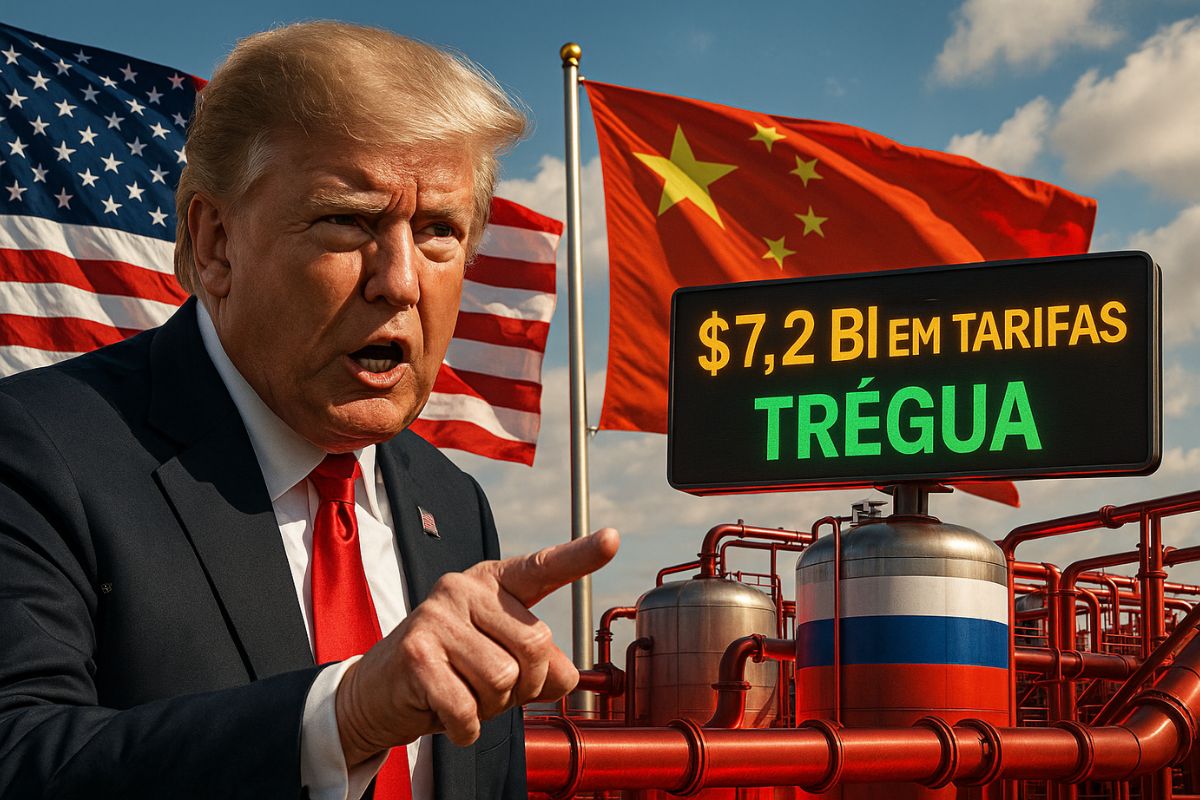


Trump Says He Will Not Punish China for Buying Russian Oil. For Now. Republican Backtracks on Tariff Threat and Maintains Trade Truce with Beijing Amid Negotiations with Putin Over the War in Ukraine
The President of the United States, Donald Trump, says he will not punish China for buying Russian oil, at least for now. The decision was announced after his summit with Vladimir Putin, in which, according to the Republican, there were advances toward possible peace negotiations in Ukraine.
In early August, Trump had threatened to impose additional tariffs on countries importing energy from Russia as a way to pressure Moscow. Now, the American president is temporarily backtracking in the Chinese case, claiming he may reconsider the measure in a few weeks.
Why Trump Says He Will Not Punish China for Buying Russian Oil
Trump stated to Fox News that he does not see an immediate need to expand tariffs against China, although he has kept the possibility open for the future. According to him, any decision will depend on the progress of talks with Putin over the war in Ukraine.
-
Brazil’s 2026 Tax Refund: Record 9.58 Million Filers in Largest Payout Ever, But a Key Detail on Priority Recipients Draws Nationwide Attention

-
Itaú Alters Hybrid Work Model, Increasing Office Days from 2028, Prompting Employees to Adjust to New Routine
-
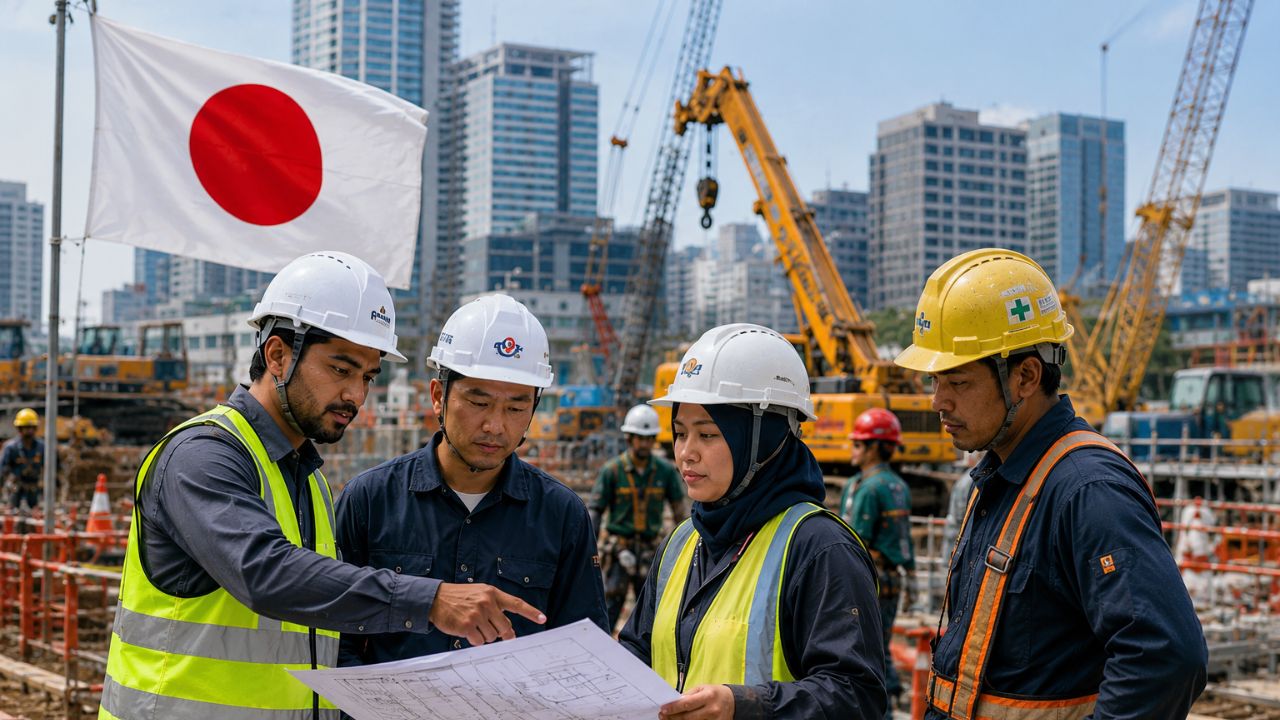
Facing Labor Shortage, Japan Plans to Invest $34 Million to Attract Foreign Workers in Construction, Healthcare, Industry, and Commerce

-
Brazilian City Makes Remarkable Leap, Becomes 4th Wealthiest in the Country with GDP of R$ 134.1 Billion



The Republican had already increased tariffs on Indian products, raising them to 50% due to oil purchases from Russia. In the case of China, however, the impact would be riskier, as the two countries recently extended a 90-day trade truce that reduced tensions in global markets.
How the Decision Could Cost Trade Relations
Analysts surveyed by O Globo and Bloomberg point out that punishing China for importing Russian oil could further shake global trade. Today, the two largest economies already face billions in tariffs imposed in recent years, which have reduced investments and slowed strategic sectors such as technology and manufacturing.
Maintaining the delay, therefore, gives temporary relief to Beijing and prevents Washington from breaking the truce established this semester, when both reduced tariffs on consumer goods and raw materials.
Where China Stands on Russian Oil
China, for its part, defends its imports of Russian oil as legal and essential for its energy security. Chinese authorities argue that the dependence on external energy forces the country to seek stable and large-scale suppliers — a role that Russia has begun to fulfill since the start of the war in Ukraine and the isolation imposed by the West.
This movement has intensified since 2022, when Moscow redirected a significant portion of its energy exports to the Asian market, taking advantage of the space left by Europe.
Why Trump Prefers to Delay the Punishment
By stating that he will not punish China for buying Russian oil “for now,” Trump keeps room for political pressure without destabilizing the American economy. The Republican also signals that his strategy is to condition the decision on Putin’s response in negotiations.
Experts remind us that Trump seeks to balance three factors: maintain pressure on Moscow, preserve trade with Beijing, and respond to his voters’ expectations for a tough stance on China.
Is It Worth Waiting for a Shift in Stance?
The scenario is still uncertain. Trump has made it clear that he may resume the threat in “two or three weeks,” depending on the course of the war in Ukraine and Russia’s behavior in negotiations. If he proceeds with new tariffs, markets may face immediate shocks, affecting everything from oil prices to global supply chains.
China, in turn, seems prepared to sustain its purchases of Russian oil, even in the face of new pressures. This indicates that the deadlock between the two powers may prolong, raising geopolitical risks.
The announcement that Trump says he will not punish China for buying Russian oil represents yet another chapter in the trade and diplomatic dispute between Washington and Beijing. At the same time, it emphasizes how the war in Ukraine continues to directly influence the strategies of the world’s largest economies.
And you, do you believe that Trump will really maintain this position or will he end up yielding to pressure and imposing tariffs? Do you think that not punishing China for buying Russian oil is an intelligent strategy or just an inevitable postponement? Leave your opinion in the comments — we want to hear from those closely following this scenario.









Trump não vai punir a China pela compra do petróleo Russo,mais puniu o Brasil pela compra desse petróleo,que louco esse Trump.
Trump epstein taco
Governo americano deveria ter mais bom senso aos a todos os países ao redor do mundo. Não ser **** como ele demonstra se achando que é superior a todos. Governo americano já mostrou aos países que não tem taxação firme, em vários aspectos. Esse tarifaço está causando um caus aos próprios povos deles.