Portuguese
  Spanish


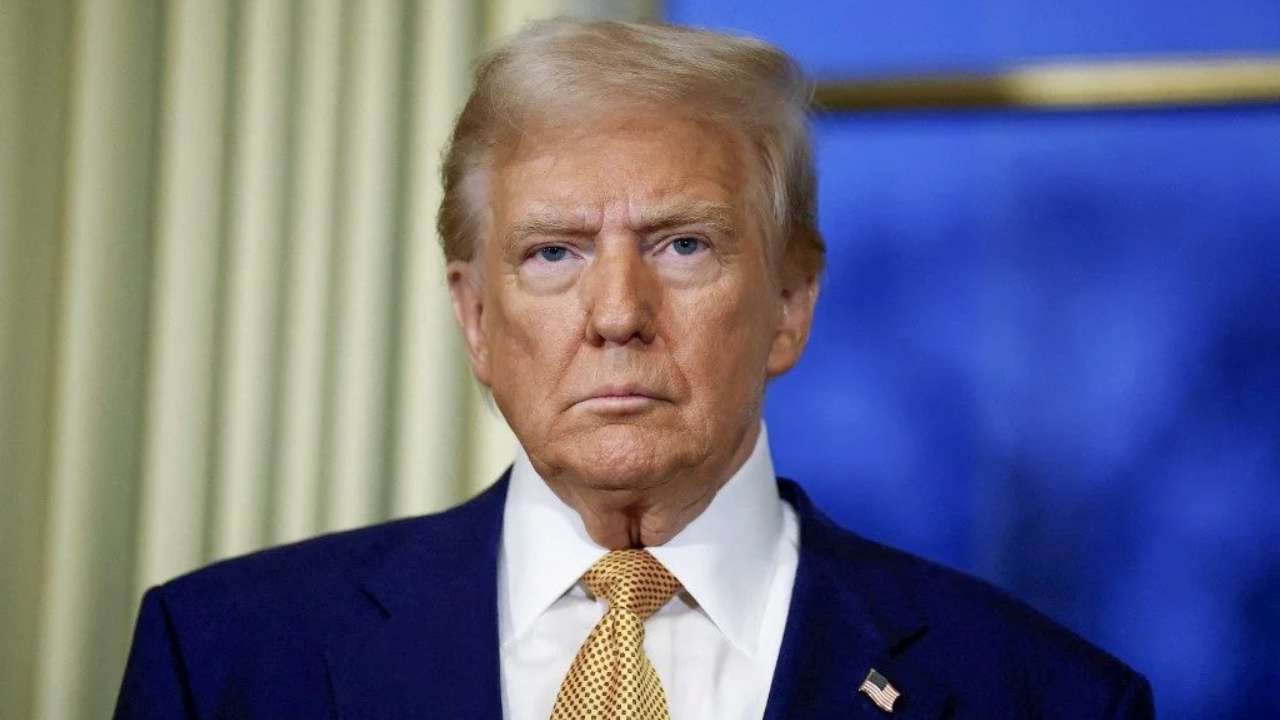

Clean Energy Partnership Established By California With The United Kingdom Irritates Donald Trump, Generates Exchange Of Political Attacks And Puts Environmental Interests And The Oil Sector In Conflict.
A new clean energy agreement signed between the United Kingdom and the California government has turned environmental cooperation into a political battlefield in the United States.
The signing, done by Governor Gavin Newsom with British Energy Secretary Ed Miliband, was enough to provoke harsh criticism from President Donald Trump, just hours after the official announcement.
At the same time, the episode lays bare the dispute between development models. On one side, states and governments betting on renewable sources. On the other, a faction that defends the exploration of oil and gas as the engine of the economy.
-
Brazilian scientists are simultaneously advancing two research projects on clean hydrogen and driving solutions that could transform the energy matrix, enhance industrial competitiveness, and accelerate large-scale emission reduction targets.

-
Advancement in renewable energy: A R$ 150 million project launched by Petrobras and Finep aims to create state-of-the-art electrolyzers for green hydrogen, strengthening national research and preparing Brazil to compete in a billion-dollar energy market.
-
Illiterate or semi-literate grandmothers were trained to repair solar systems, open rural workshops, and light up homes that still depended on kerosene.
-
The world has bet on green hydrogen as the fuel of the future, but now faces the side effect: producing 1 kilogram requires about 9 liters of ultrapure water, and the largest projects on the planet are precisely in the driest regions of the Earth, where water is already scarce for people.




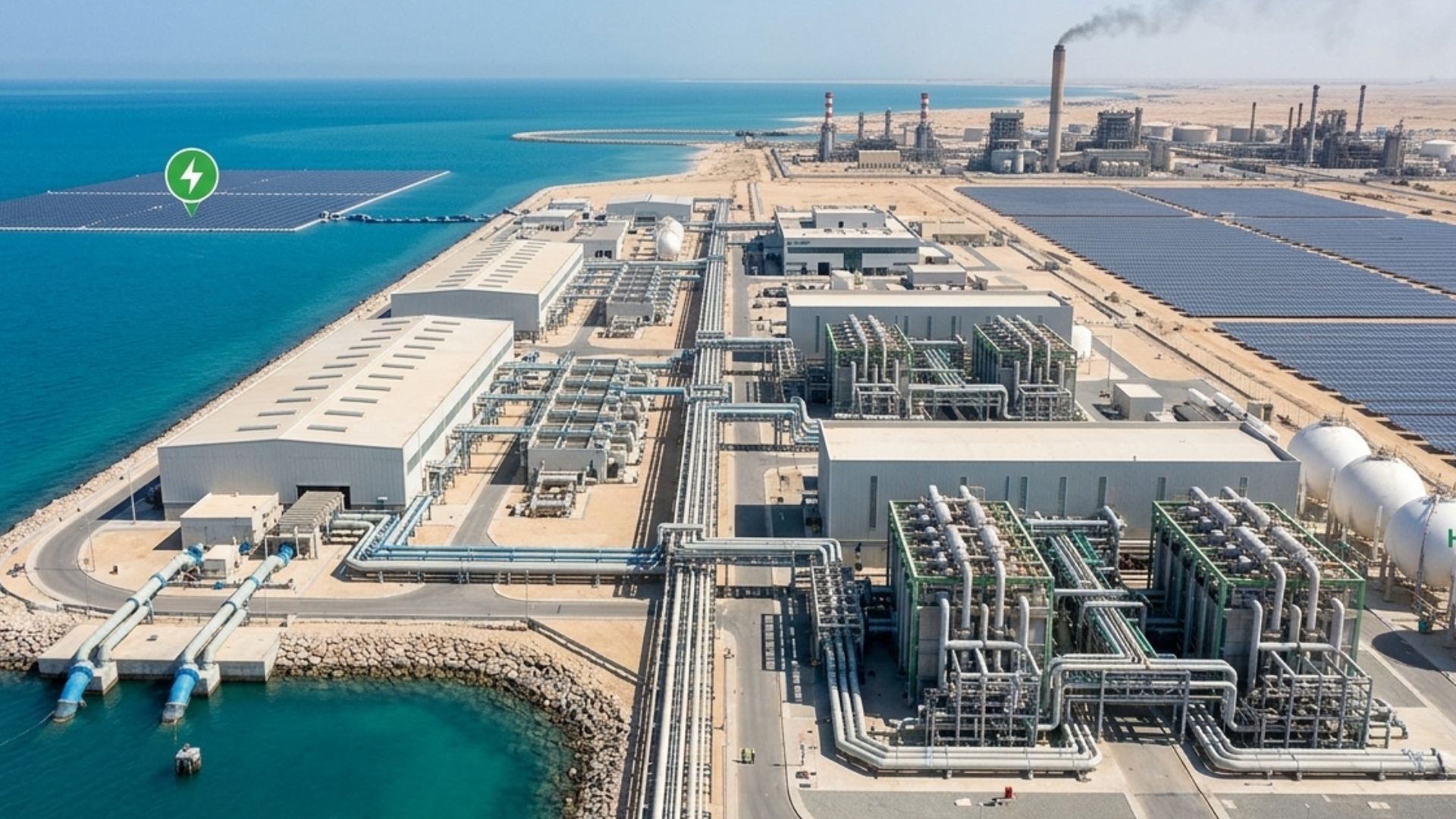
What The Clean Energy Agreement Proposes
The signed pact promises to enhance cooperation between the United Kingdom and California in clean energy technologies.
Among the main focuses are offshore wind projects and other solutions aimed at reducing dependence on fossil fuels.
Moreover, the agreement seeks to open the Californian market to British companies in the sector, creating new business and investment opportunities.
Through this, London and Sacramento want to accelerate the energy transition while strengthening their economies.
Trump Attacks Raise Tension
Shortly after the signing, Donald Trump reacted. In an interview with Politico, the president stated that it was “inappropriate” for the United Kingdom to negotiate directly with the Governor of California.
Trump also attacked Newsom, calling him a “loser” and stating that “his state has gone to hell and his environmental work is a disaster.”
These statements reinforce the atmosphere of confrontation. Newsom is a declared critic of Trump and has already mentioned the possibility of running for president in 2028.
Thus, the debate on clean energy ends up mixed with political ambitions.
The Response From The California Government
Newsom’s reaction did not take long. A spokesperson for the governor fired back at Trump in an email.
“Donald Trump is on his knees to coal and big oil, selling the future of the United States to China,” he stated. “Governor Newsom will continue to lead in his absence. Foreign leaders are rejecting Trump and choosing California’s vision for the future.”

With this, the Californian government tries to present itself as a global reference in clean energy, even facing resistance within its own country.
While criticizing the agreement, Trump is following an opposite path. Recently, he invited oil and gas companies to identify areas in the south and central California for possible offshore exploration concessions as early as next year.
The proposal has been harshly criticized by Newsom and environmental groups, who see a direct risk to marine ecosystems. For these critics, increasing oil production is counter to any serious clean energy strategy.
The conflict also reflects an institutional clash. In January, Newsom was prevented from speaking at the official United States venue at the World Economic Forum in Davos, Switzerland. According to him, the decision came from the White House.
Since then, tensions have only increased, and the agreement with the United Kingdom has become yet another chapter in this political war surrounding the future of clean energy.