Portuguese
  Spanish


The promise of greater transparency in Venezuela’s oil industry has returned to the center of international debate after new allegations involving what are considered secret agreements and contracts linked to the country’s oil sector. Even after statements from Donald Trump’s government advocating for oversight and reorganization of the Venezuelan industry, international investigations and reports indicate that companies associated with old scandals continue to operate and profit from the commodity’s commercialization.
Furthermore, experts warn that geopolitical interests, commercial disputes, and networks of political favoritism continue to directly influence the control of the world’s largest oil reserves. The topic gained repercussion after InfoMoney reports and international media outlets detailed the behind-the-scenes of negotiations involving Venezuelan oil.
Venezuela’s oil remains at the center of the global dispute
Venezuela possesses one of the largest oil reserves on the planet, a factor that makes the country a strategic player in the international energy market.
-
Oil production grows in Rio, but reserve replacement raises a warning sign

-
Petrobras is expected to complete the drilling of the Morpho well in the Foz do Amazonas in August 2026, the first well in the Equatorial Margin, an oil frontier that the ANP estimates at more than 30 billion barrels and could redraw the map of Brazil.

-
Oil returns to the center of concerns with tension between the US and Iran

-
IEA reduces forecast for global oil demand in 2026 after impacts of the Middle East crisis
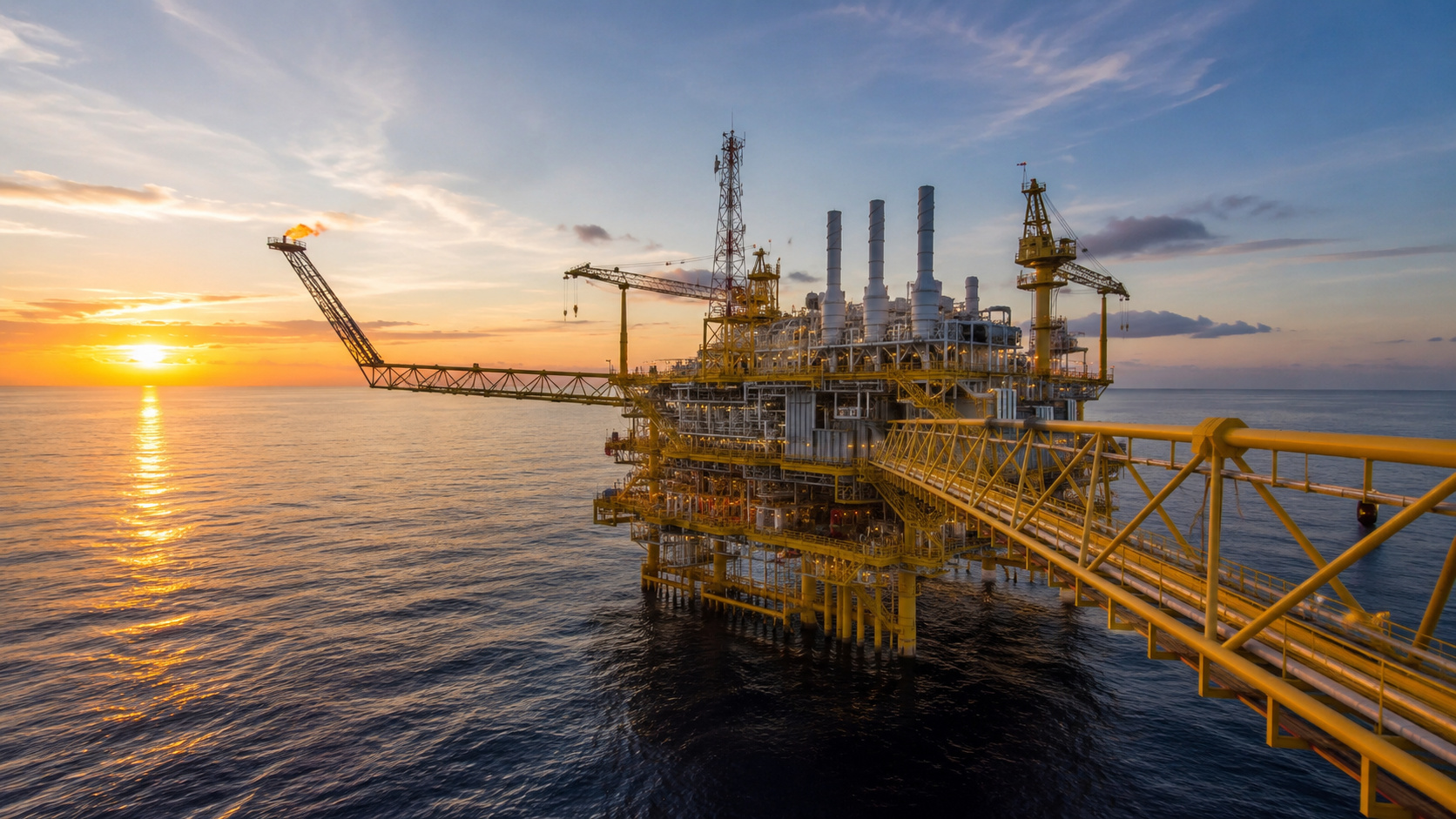


Furthermore, Venezuelan oil has always been at the center of political, economic, and diplomatic disputes involving global powers.
In recent years, economic sanctions, political crises, and corruption allegations have further aggravated the situation of the state-owned company PDVSA, responsible for Venezuelan oil exploration.
In this scenario, any change involving exploration or export agreements for the commodity generates strong international repercussions.
Trump’s promises of transparency
Donald Trump stated on different occasions that he intended to reorganize the Venezuelan oil sector with greater oversight and participation from American companies.
Furthermore, the American president declared that Venezuela’s oil industry could resume large-scale production under new international agreements.
However, critics point out that part of the negotiations continues to occur in a less than transparent manner.
According to recent reports, contracts were allegedly directed to business groups already associated with investigations involving corruption and political favoritism.

Allegations involving secret agreements
International investigations indicate that agreements related to Venezuelan oil continue to be shrouded in secrecy and low transparency.
Furthermore, allegations indicate that favoritism networks associated with the old regime continue to maintain influence over strategic sectors of the oil industry.
Experts state that the lack of clarity regarding contracts, licenses, and commercial operations raises concerns related to international oversight.
In this context, companies previously mentioned in earlier investigations have reappeared in negotiations involving the export and commercialization of Venezuelan oil.
PDVSA’s history of corruption
The state-owned company PDVSA has faced corruption allegations for several years.
Investigations conducted by international authorities have revealed bribery schemes, fraudulent contracts, and billions in diversions involving the Venezuelan oil sector.
Furthermore, former directors and businessmen linked to the company have been accused of participating in illegal money laundering operations and political favoritism.
Experts state that the deterioration of PDVSA directly contributed to Venezuela’s economic crisis.
The role of economic sanctions
The United States has applied various economic sanctions against Venezuela in recent years.
A large part of these measures directly targeted the oil sector and the state-owned company PDVSA.
According to American authorities, the restrictions aimed to pressure the Venezuelan regime and combat corruption and political violations.
However, critics argue that the sanctions also contributed to exacerbating the country’s economic and energy crisis.
International interest in Venezuelan reserves
Venezuela’s oil reserves attract global interest due to the country’s enormous energy potential.
In addition to the United States, countries like China and Russia also maintain strategic interests in the Venezuelan industry.
Experts state that Venezuelan oil remains an important piece in the global geopolitical balance.
Therefore, negotiations involving contracts and production of the commodity have a significant international impact.
The geopolitical impact of the Venezuelan crisis
Venezuela’s political crisis transcends economic borders and directly influences international diplomatic relations.
Furthermore, oil-related disputes involve military, strategic, and commercial interests of different global powers.
In this context, control over Venezuelan energy production has become one of the main points of international tension.
Experts state that any political change in the country could significantly alter the global energy market.
The relationship between oil and political power
Historically, oil has always exerted a strong influence on Venezuelan politics.
For decades, oil revenues sustained government programs, political alliances, and power structures in the country.
Furthermore, recurring allegations indicate that control over the energy industry also served as an instrument of political and economic influence.
In this scenario, the lack of transparency in the sector continues to be a target of international criticism.
What investors are watching now
International investors remain attentive to developments involving the Venezuelan oil industry.
Among the main points observed are:
- Possible new trade agreements
- Participation of foreign companies
- US economic sanctions
- Political stability in Venezuela
- Recovery of PDVSA production
Furthermore, the market monitors possible impacts on international oil prices.

The impact on the global energy market
Venezuela has the potential to significantly increase its oil production if it can recover infrastructure and investments.
Experts state that this could alter part of the global commodity supply balance.
Furthermore, Venezuela’s stronger re-entry into the international market could influence international oil prices.
On the other hand, political uncertainties and corruption allegations continue to deter some international investors.
The debate on transparency and oversight
The Venezuelan situation has also rekindled global debates on transparency in strategic energy-related sectors.
Experts advocate for stricter international oversight mechanisms to prevent corruption in billion-dollar contracts.
Furthermore, international organizations warn of the risks of secret negotiations involving strategic natural resources.
In this context, Venezuela’s oil industry continues to be closely watched by governments, investors, and international organizations.
The future of the Venezuelan oil industry
Experts believe that the full recovery of the Venezuelan oil sector will still depend on political stability, investments, and structural reforms.
Furthermore, the country faces challenges related to deteriorated infrastructure, international sanctions, and low market confidence.
At the same time, the enormous potential of Venezuelan reserves continues to attract global interest.
Finally, the allegations involving secret agreements and political favoritism show that Venezuela’s oil remains at the heart of an international dispute marked by geopolitics, energy, and economic power.