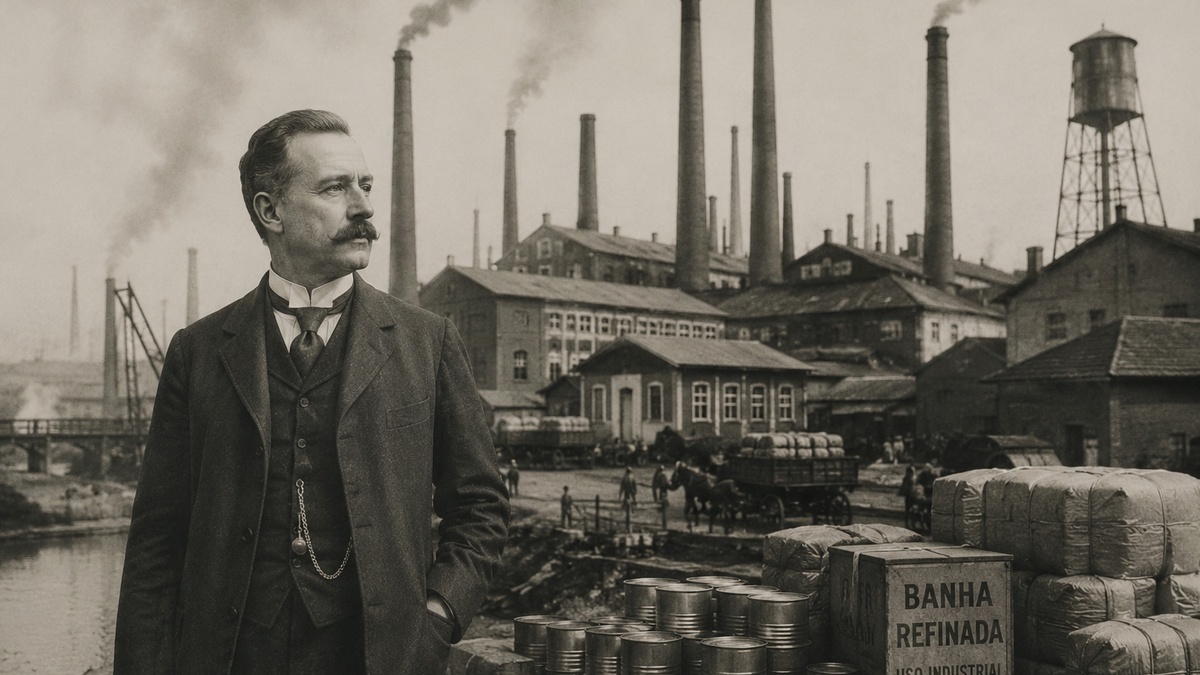
The proposal supported by the Trump administration would allow imposing high tariffs on countries that continue buying oil and natural gas from Russia, with China and India among the main targets, as Republican and Democratic senators attempt to increase economic pressure on Moscow and strengthen Ukraine’s position in negotiations.
The Trump administration will support a bipartisan project that provides for high tariffs against countries buying Russian oil. The initiative seeks to increase economic pressure on Moscow and create conditions for negotiations to end the war against Ukraine.
According to cbsnews, Senators Lindsey Graham, a Republican from South Carolina, and Richard Blumenthal, a Democrat from Connecticut, stated that the White House approved the latest version of the proposal. Government spokespeople, however, did not immediately respond to requests for comment.
Graham informed Ukrainian President Volodymyr Zelenskyy about the support in a meeting in Kiev. After the meeting, Zelenskyy posted that he had received details about the ongoing work in Congress involving the sanctions project.
-
The Arctic is no longer just a frozen region and is becoming a new military board with the opening of maritime routes, expansion of bases, nuclear icebreakers, and competition among Russia, NATO, the United States, and China.

-
U.S. Dismisses Brazilian Foreign Ministry’s Military Risk Warning as “Absurd,” Cites Brazilian Criminal Gangs Operating in the U.S. Since May 2026
-
Ukraine War Impacts Brazilian Fuel Supply: Russian Diesel Imports Drop 65% in June, Brazil Turns to US and India Amid Market Concerns

-
Chinese Nuclear Submarine Launches Simulated Warhead Missile in Pacific, Heightening Regional Tensions Amid Naval Drills with Russia Near Qingdao; New Zealand and Papua New Guinea Warn of Persistent Chinese Military Presence


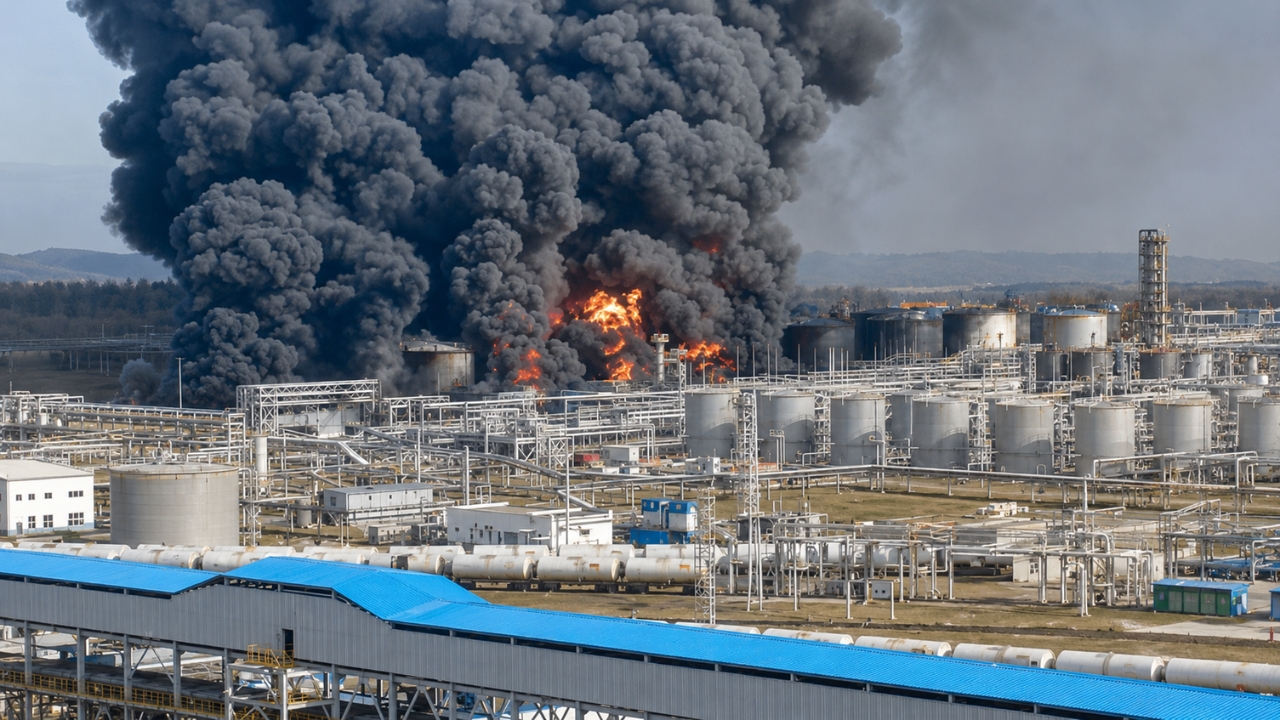

Tariffs on Russian oil would affect purchasing countries
The proposal would allow the United States to impose high tariffs on countries that continue buying oil and natural gas from Russia. India and China appear as the two largest buyers of Russian oil and are at the center of the discussed measure.
The goal of the lawmakers is to reduce the revenue linked to Russian energy exports. For Graham and Blumenthal, increasing the economic cost of these purchases can strengthen the pressure on President Vladimir Putin and bring him to the negotiating table.
It is not yet defined when the tariffs would start to apply if the text is approved by Congress and sanctioned. Senate Majority Leader John Thune had informed senators that he would put the proposal to a vote when there was sufficient support.
The Senate returns to Washington on Monday. Blumenthal said he does not yet have a vote count but expressed confidence in the Democrats’ adherence to the project, developed by members of both parties.
Market momentum favors the proposal’s advancement
Blumenthal linked the political advancement to the recent behavior of oil prices. For him, the drop recorded after the cooling of the war with Iran made the implementation of the new measures more acceptable now.
The senators state that Ukraine’s results on the battlefield also influenced the White House’s position. Graham indicated that Russian attacks and Ukrainian performance were factors considered by Trump in analyzing the text.
In addition to the sanctions, Blumenthal highlighted decisions related to military cooperation between Washington and Kyiv. He stated that Zelenskyy managed to get authorization to produce Patriot interceptors and convinced Trump to approve the purchase of Ukrainian drones intended for American use.
Senators promise to present legislation soon
Graham, Blumenthal, Jeanne Shaheen, and Roger Wicker praised the understanding reached and said they expect to present the legislation very soon. The group brings together Republican and Democratic lawmakers involved in formulating the economic response against Moscow.
In a joint statement, they advocated for coordinated action between the Legislative and Executive branches. The argument is that buyers of Russian oil and gas help financially sustain the war, while Russia increases attacks against Ukrainian civilians.
With the approval of the current version by the White House, the project gained political momentum. However, the implementation of the tariffs depends on the vote in Congress, the sanction, and the definition of application rules.
How the tariffs would increase pressure on Russia
Tariffs applied to purchasing countries function as an indirect form of economic pressure. Instead of targeting only Russian companies, the measure seeks to raise the commercial cost for governments that maintain energy purchases from Russia.
The logic is to reduce the attractiveness of these transactions and, thus, limit revenues associated with oil and gas exports. As India and China appear among the main buyers, any broad application could involve large commercial flows.
However, the concrete effect will depend on the final text, the rules adopted, the timing of implementation, and the reaction of the affected countries.