






 Portuguese
  Spanish


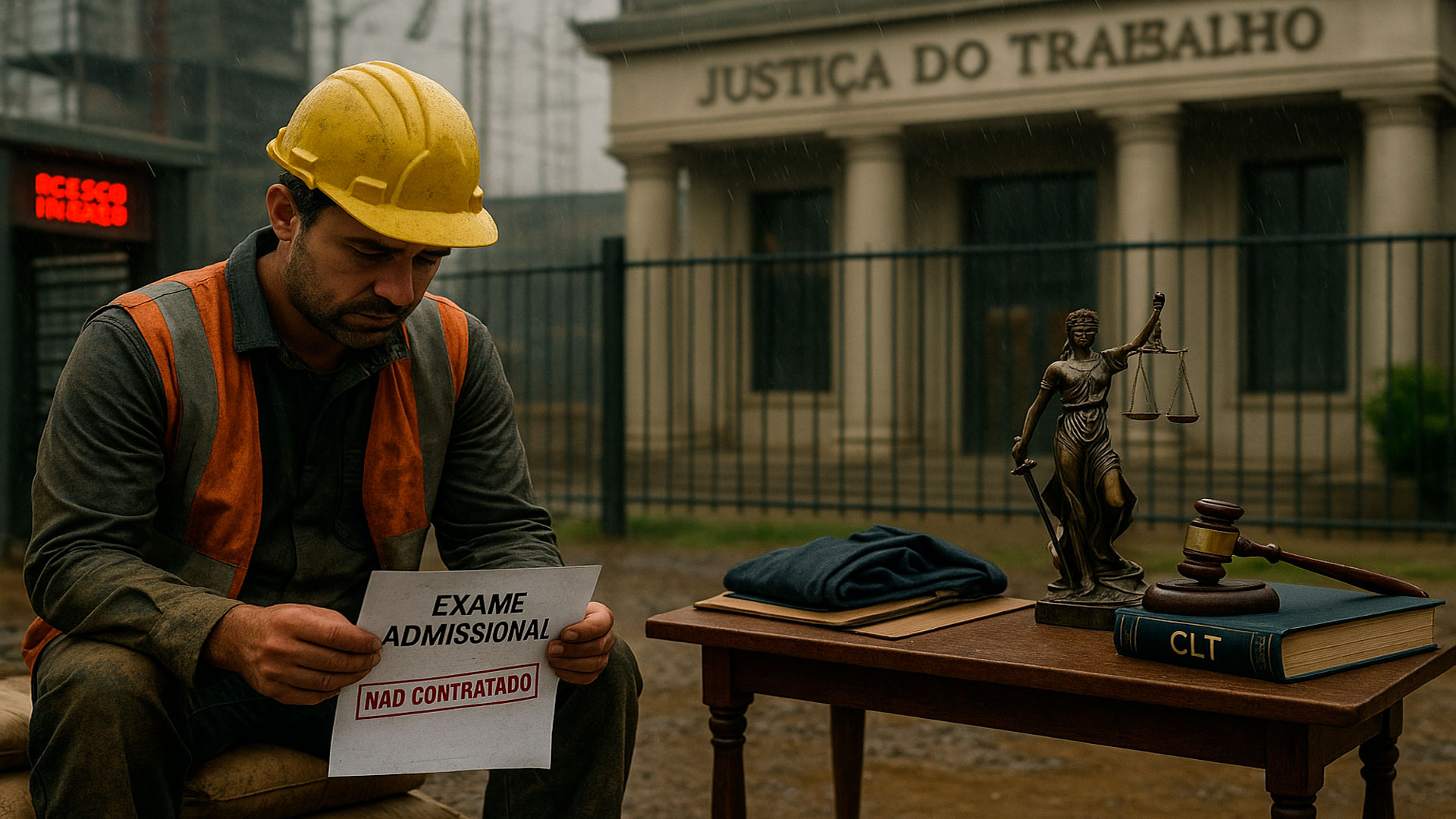

The First Panel of the TST Decided That the Unjustified Frustration of the Expectation of Hiring at the Pre-Contractual Stage Generates a Duty to Compensate, Even Without Proof of Actual Damage.
The First Panel of the Superior Labor Court recognized that a mason has the right to compensation for moral damages because his hiring was frustrated after clear admission steps, such as sending a checklist and undergoing a occupational exam. The court emphasized that the principle of good faith must also be observed before the contract is signed.
According to the vote of the rapporteur, Minister Dezena da Silva, the company clearly demonstrated an intention to hire by requesting documents, indicating a clinic for the exam, and even asking for information to open a salary account, which creates a legitimate expectation of employment. By withdrawing, it violated the duty of loyalty.
The TST also highlighted that, in the pre-contractual stage, the unjustified frustration of the job promise must be compensated, and that this damage dispenses with proof of concrete harm, consolidating a protective understanding of the worker at this stage.
-
Court Upholds Just Cause Dismissal of Employee for Posting Social Media Videos During Work Hours

-
Dismissing a retired worker or one eligible for retirement constitutes ageism and creates a duty to compensate: a unanimous decision by the TRT mandates reinstatement to employment, payment of back wages, and upholds compensation of R$ 15,000 for discrimination.

-
Work less and produce more? Nobel Prize in Economics explains why shorter workdays can increase productivity

-
Unions are growing again in Brazil after more than a decade, but they face an urgent challenge to win back digital workers and maintain relevance.



Timeline of the Case: Admission Checklist, Exam, and Company Backtrack
According to the records, the mason received the admission checklist on August 1, 2023, underwent an occupational exam on August 9, and, days later, was asked about uniform number and email for sending pay stubs, practical signs of progress towards admission. On August 24, he was informed that he would not be hired.
The case was initially processed in the 2nd Labor Court of Itabira. The first-instance court understood that there was an unlawful act due to frustration in the final admission stage and established compensation of R$ 5 thousand.
The Regional Labor Court of the 3rd Region went on to overturn the ruling and deemed the action unfounded, arguing that the pre-contractual period may not result in hiring. The worker appealed, and the TST reinstated the understanding that good faith in the pre-contractual phase was breached and that compensation is indeed warranted.
Good Faith as a Rule in the Pre-Contractual Phase
The decision is relevant to companies and candidates because it clarifies where the selection ends and where responsibility begins for admission acts. When the employer requests complete documentation, forwards the candidate for an admission exam, and asks for functional data, an objective expectation of hiring is created. If the withdrawal comes without a plausible reason, the conduct may generate compensable moral damage.
For HRs and managers, the message is clear: only proceed to formal admission steps when there is a real hiring decision. If a new fact arises that prevents hiring, document the justification, communicate with clarity and promptness, and avoid messages that create incompatible expectations.
For job seekers, the decision advises to keep records of negotiations, such as messages, audio, and emails, that demonstrate the advancement of the process beyond a merely selective phase. It was precisely this body of evidence that influenced the TST’s conviction in recognizing the legitimate expectation and the violation of good faith.
What do you think of this decision? Should companies always respond with money when they backtrack after progressing to exams and documentation, or are there situations where withdrawal is legitimate? Share your opinion.








