






 Portuguese
  Spanish
  3 min of reading
  0 comments


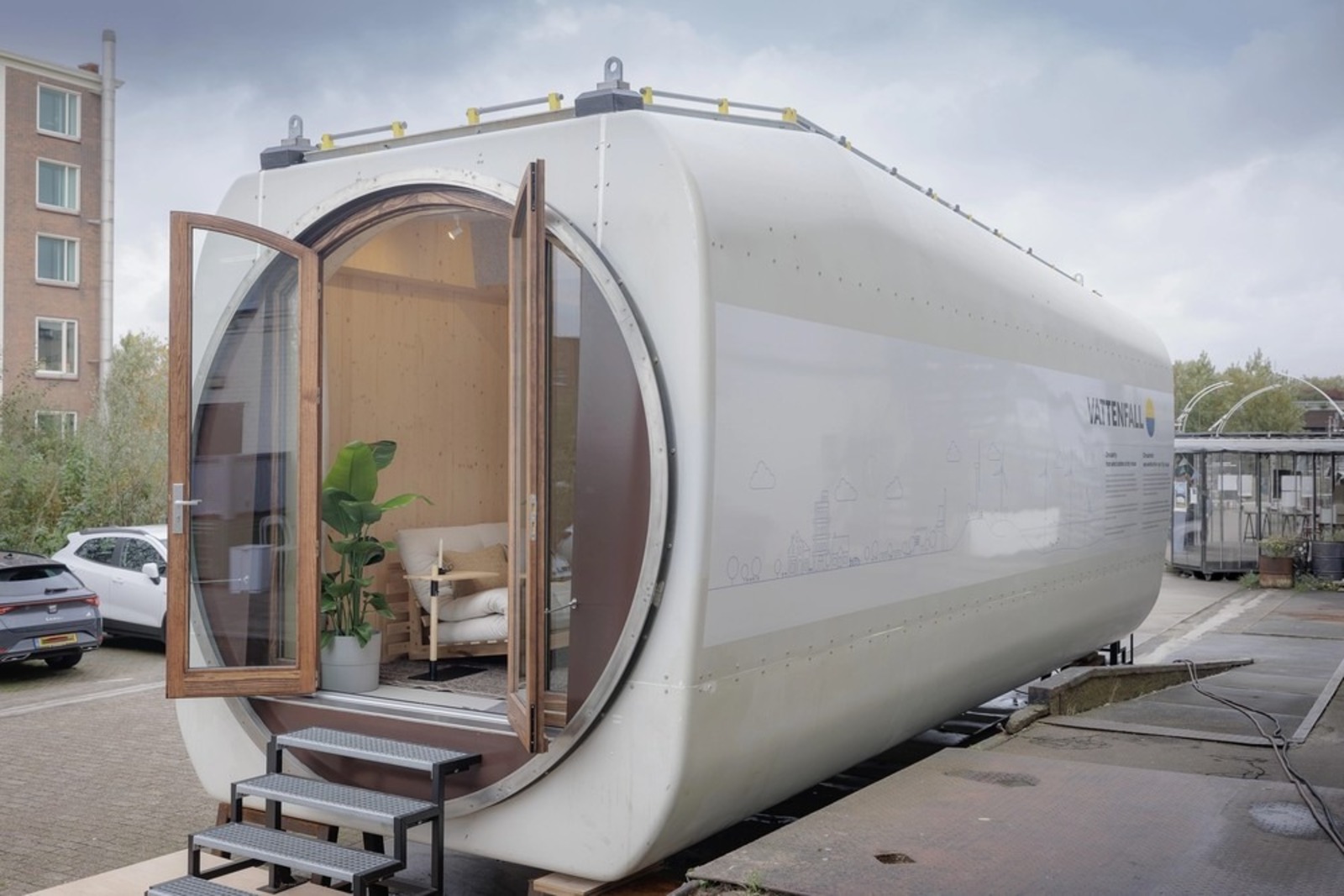
Transforming An Old Wind Turbine Into A 35 M² Tiny House Is The Bet Of The Dutch Studio Blade-Made, Which Combines Sustainability, Industrial Repurposing, And Smart Design To Create Compact Residences With Integrated Solar Energy
An old wind turbine has gained new life by being transformed into a tiny house of 35 m² by the Dutch studio Blade-Made. The project was born from the idea of giving a useful destination to what would normally become industrial waste, showing that sustainability and design can go hand in hand.
The original structure, called the nacelle, measures about 10 m by 4 m and used to house the turbine’s gearing system.
When it reaches the end of its useful life, this component is typically discarded, as the material, although durable, has a complex and costly recycling process.
-
Brazilian promises his children to save a river, creates an eco-barrier in his backyard, has already removed more than 40 tons of trash from the water, and even inspires the idea in other states of the country.

-
How a Brazilian company created a system that transforms broken pallets of any brand into new assets, recycles 80 tons of plastic per month, and found a profitable solution to a problem that challenges industries across the country.

-
Invasive bullfrog capable of devouring other amphibians and laying up to 20,000 eggs is found in Florianópolis, raising an alert about the threat to native fauna.
-
It looks like a baby, but it’s an adult: meet the Bornean pygmy elephant, the smallest elephant in the world threatened by habitat loss.




Reuse Instead Of Disposal
According to the Swedish company Vattenfall, a leader in wind energy, thousands of turbines will be decommissioned or replaced in the coming decades.
Although parts such as the tower, foundation, and generator can be recycled, the traditional process requires a lot of energy and generates emissions.
Therefore, directly repurposing materials is considered more sustainable and intelligent.
Blade-Made’s proposal follows exactly this line. By adapting the nacelle, the architects created a comfortable environment, with simple wood cladding and integrated solar energy.

Compact And Functional Space
The interior was completely rebuilt by carpenters and artisans, resulting in a compact yet complete home.
The space features a living room, kitchen, bathroom, and bedroom, efficiently utilizing every available meter.
Vattenfall plans to adopt similar solutions on a large scale and aims to achieve a fully circular system for decommissioned turbines by 2030.
This initiative shows that the future of housing may literally be in the wind.

With information from Casa Vogue.
You May Also Like: Smart Tiny House That Expands Itself In All Directions And Doubles In Size Is Becoming A Trend; See How It Works

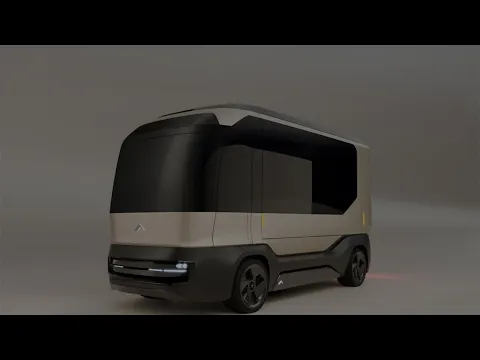
A tiny house that practically doubles in size is attracting attention in the real estate market. Priced at US$ 108,000, which is about R$ 569,000, the model is part of a line of expandable micro houses called AI-Transformer Home, developed by the American company AC Future.
The project includes three versions, with the AI-THu being the most affordable of the series. The proposal combines innovation and practicality for those seeking a compact space that offers comfort and cutting-edge technology.
Partnership Between AC Future And Pininfarina
AC Future specializes in recreational vehicles and worked in partnership with the renowned Pininfarina, famous for its Italian car designs.
This collaboration resulted in a smart and sustainable house that bets on the combination of energy efficiency and sophistication.
The AI-THu model is designed to offer independence and practicality, as it includes self-sufficient energy systems and advanced technological resources.

Artificial Intelligence And Automatic Expansion
According to the manufacturer, the tiny house comes equipped with solar panels, energy storage, water generator, and modern appliances.
Moreover, it features smart home technology based on artificial intelligence, which allows for automatic control of various functions.
The standout feature, however, is the expansion system. The structure can expand on all four sides, reaching a total area of approximately 37 square meters.
This expansion rate nearly doubles the internal space, making the model a versatile and refined solution for different lifestyles.
The company describes the project as the perfect balance between technology, form, and function.
With information from Casa Vogue.







-

-

-

-

-

-

15 people reacted to this.