






 Portuguese
  Spanish
  3 min of reading
  0 comments


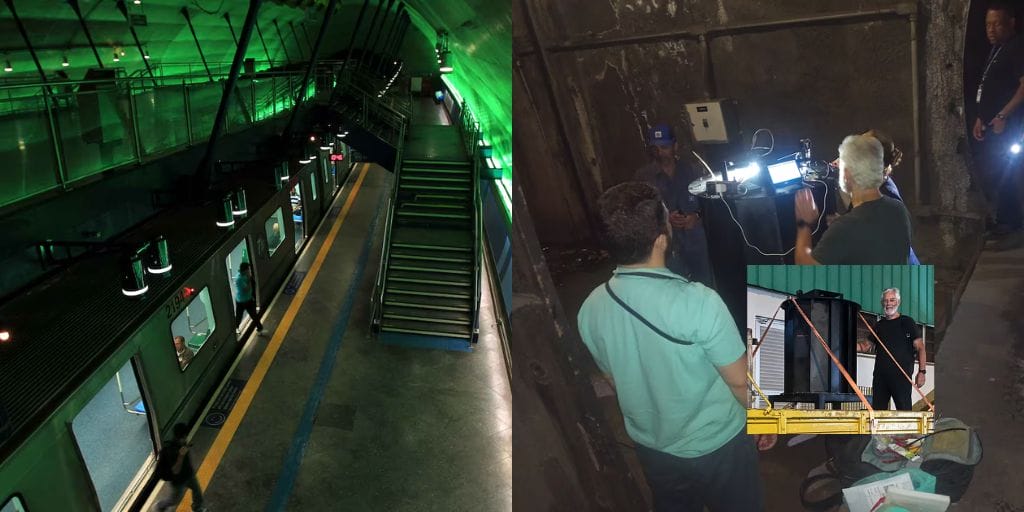
A Wind Turbine Focused on Clean Energy Generation Was Tested in São Paulo Subway Tunnels for Over a Week to Confirm the Technology’s Effectiveness.
According to information from the newspaper “O Estado de São Paulo”, there were nine days of tests conducted between the Brigadeiro and Paraíso stations on Line 2-Green.
As per the publication, the study was carried out at the end of last year, but the details were only revealed this April. According to the information, the technology uses wind generated by the movement of trains to produce energy.
In this regard, it was found that a turbine generated 800 kilowatts per day over 20 hours of daily operation, enough to illuminate tunnels or a medium-sized station, according to the subway itself.
-
Brazilian scientists are simultaneously advancing two research projects on clean hydrogen and driving solutions that could transform the energy matrix, enhance industrial competitiveness, and accelerate large-scale emission reduction targets.

-
Advancement in renewable energy: A R$ 150 million project launched by Petrobras and Finep aims to create state-of-the-art electrolyzers for green hydrogen, strengthening national research and preparing Brazil to compete in a billion-dollar energy market.
-
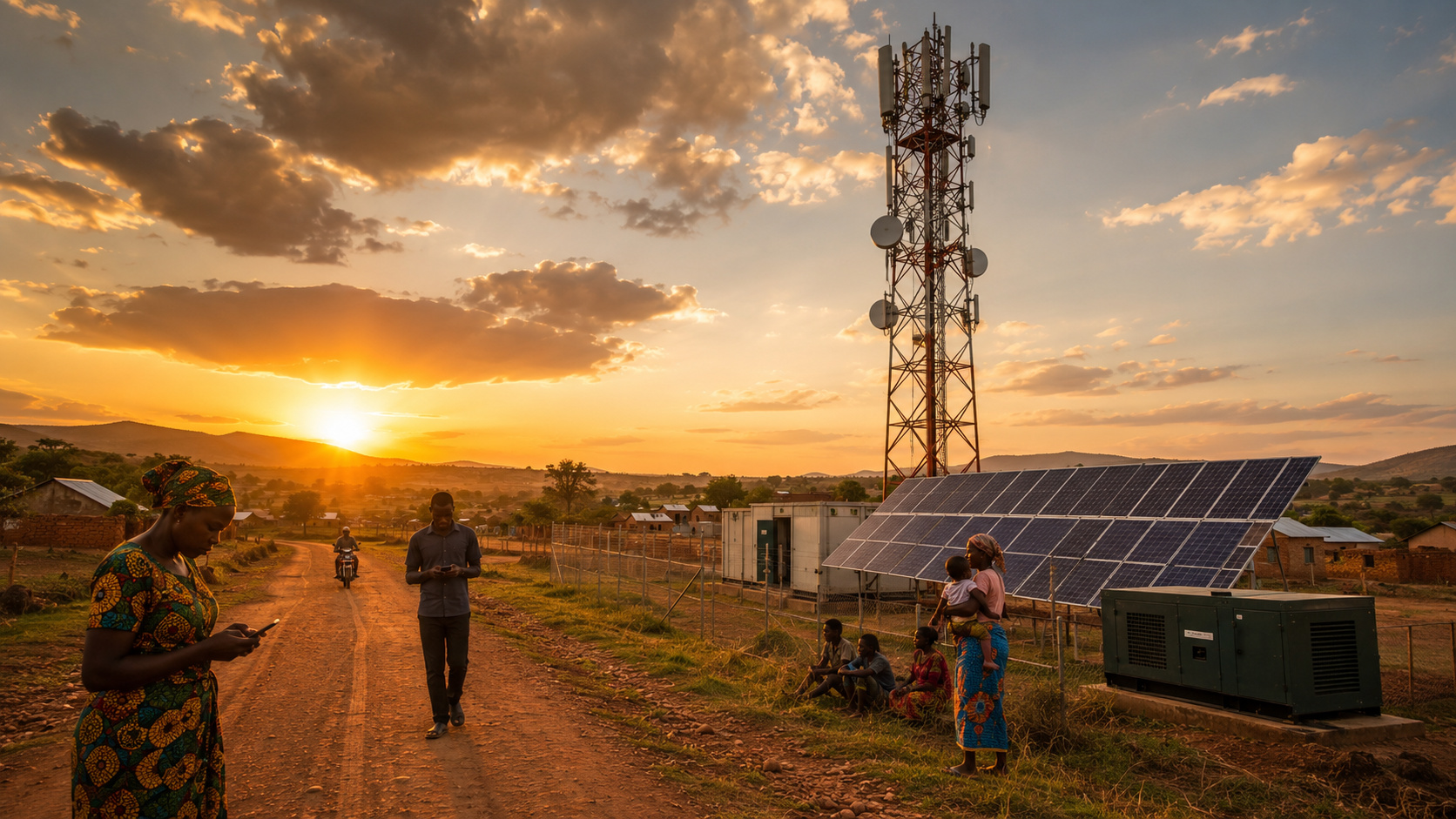
Illiterate or semi-literate grandmothers were trained to repair solar systems, open rural workshops, and light up homes that still depended on kerosene.
-
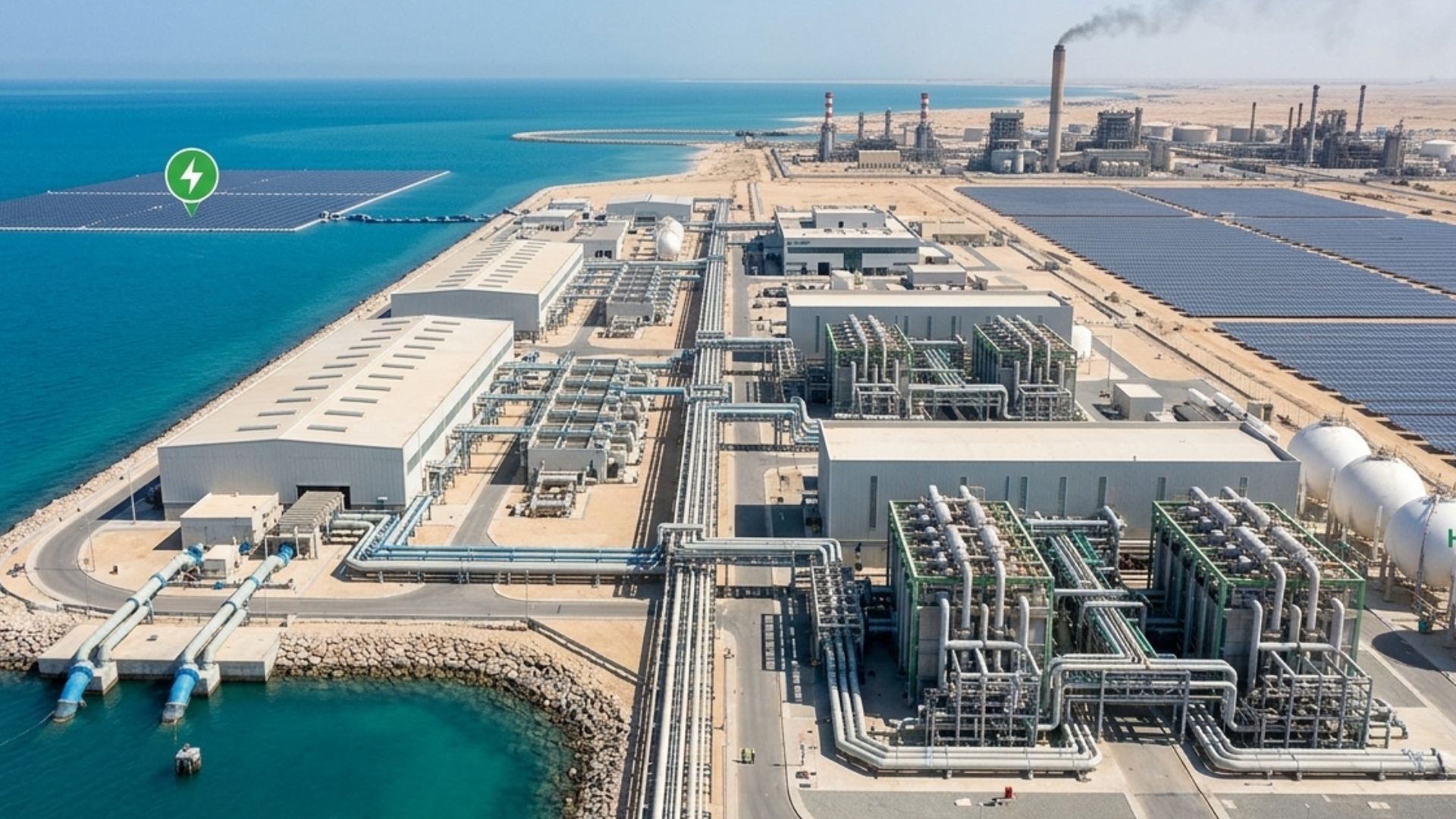
The world has bet on green hydrogen as the fuel of the future, but now faces the side effect: producing 1 kilogram requires about 9 liters of ultrapure water, and the largest projects on the planet are precisely in the driest regions of the Earth, where water is already scarce for people.




ITA Technology
The newspaper’s publication informs that this turbine was developed by Vento VAWT, a startup that is part of the Instituto Tecnológico de Aeronáutica (ITA), along with professors from the institution.
According to the São Paulo subway, which emphasizes that there is no closed agreement for the acquisition of the technology, the idea is to assess the model’s potential for the metro network, “the tests aim to find solutions that can be applied on a large scale and provide sustainable options from an environmental and economic-financial perspective”.
In this sense, the state-owned company adds that “this is still a development phase action, but it can complement other initiatives of the subway in favor of energy efficiency and diversity in the matrix”.
Energy Self-Production on the Agenda
In addition to the partnership with ITA, the São Paulo subway is also focused on the self-production of electric energy. For this, the institution has opened tenders that aim for the generation of up to 40% of its energy used from renewable sources – the goal is to sign a contract in the second semester and start production in 2026.
Strategic Points
According to the subway, to conduct the tests, locations were used where the wind generated by the vehicles was considered ideal, thus reducing the interference of weather instabilities for these experiments.
According to Vento VAWT, the turbine used for the tests is an innovation, as it overcomes the aerodynamic drag effect, something common in these types of equipment. This happens because the wind hits from all sides and causes a loss of efficiency in energy generation.
In this regard, the startup explains that tests have shown that this turbine offers, in addition to a lower price, three times greater efficiency than a common vertical turbine, which is around 18%.
Small Wind Turbine and Other Advantages
In an interview with the mentioned newspaper, Eduardo Bueno, who is the inventor of the turbine, explained that the technology is small, 1.40 meters tall, requiring only one square meter for its installation. This is very different from conventional turbines that resemble windmills and need a large structure and a lot of free space, being installed in agricultural areas with few obstacles, without buildings or trees.
Another advantage, explains the technology creator, is the possibility of coupling other turbines to enhance generation, along with low noise and lower transportation costs for the system and protection of wildlife, as there is a possibility of placing a screen around the turbine, which ultimately protects wildlife, birds, insects, and rodents,” adds Bueno.





Be the first to react!